Spring is the perfect season to refresh your garden – and if you don’t have raised beds or a large yard, buckets can become your secret weapon.
Growing herbs in buckets is one of the easiest, most affordable, and most productive ways to create a thriving herb garden on patios, balconies, rooftops, or even sunny driveways.
Bucket gardening offers flexibility, excellent drainage control, and the ability to move plants as the weather changes.
It’s ideal for beginners and experienced gardeners alike – especially if you want strong growth, fewer weeds, and better control over soil quality.
Why Grow Herbs in Buckets?
Before diving into specific herbs, here’s why buckets are such a powerful spring gardening solution:
- Better drainage contro
- Warmer soil in early spring
- Fewer soil-borne pests
- Easy to move during cold snaps
- Perfect for small spaces
- Budget-friendly setup
A standard 3–5 gallon bucket works well for most herbs. Just make sure you drill drainage holes at the bottom and use high-quality, well-draining potting mix.
Now let’s explore the best herbs to plant this spring.
Before Planting: Proper Bucket Setup
Bucket size:
- Small herbs → 2–3 gallons
- Medium herbs → 3–5 gallons
- Woody herbs → 5 gallons minimum
Drainage: Drill 5–8 holes (½ inch wide) at the bottom. Add 1–2 small holes near the lower sides for extra airflow.
Soil Mix Formula (works for most herbs):
- 60% quality potting mix
- 25% compost
- 15% perlite or coarse sand
For Mediterranean herbs (rosemary, thyme, sage, oregano), increase perlite/sand to 25%.
Watering Rule: Water deeply until water drains from bottom. Never let buckets sit in standing water.
1. Basil
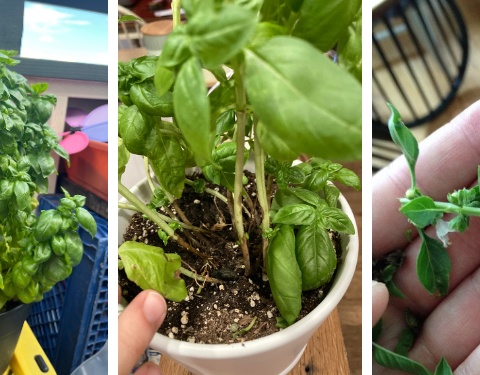
Basil grows fast and develops a dense root system in warm soil. A 3–5 gallon bucket gives it enough depth to form strong roots that support continuous leaf production.
Start with a rich potting mix blended with compost. Basil is a heavy feeder compared to other herbs. Plant seedlings slightly deeper than they were in nursery pots to stabilize stems. Space one strong plant per bucket for maximum airflow.
Water deeply whenever the top inch of soil dries. Basil prefers evenly moist soil but cannot tolerate soggy roots. In spring, watering every 1–2 days may be necessary once temperatures rise.
Feed every two weeks with diluted organic liquid fertilizer. Nitrogen supports leaf growth, but avoid overfeeding, which reduces flavor concentration.
Pinch the top growth once plants reach 6–8 inches tall. Always remove the growing tip just above a pair of leaves.
This forces side branching and doubles production. Remove flower buds immediately to keep energy in leaf production.
If roots fill the bucket mid-season, loosen the outer root mass gently and refresh the top 2 inches of soil with compost.
2. Mint
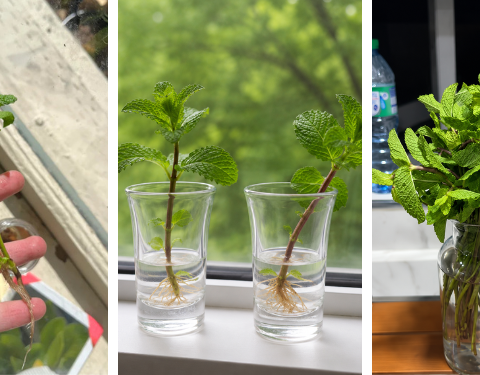
Mint spreads aggressively underground, which makes bucket growing ideal. A 3–5 gallon bucket prevents runners from invading other plants.
Use moisture-retentive but well-draining soil. Mint tolerates more moisture than Mediterranean herbs. Plant one root division per bucket and press soil firmly to remove air pockets.
Keep soil consistently moist. Unlike rosemary or thyme, mint wilts quickly if it dries out. During warm spells, daily watering may be necessary.
Feed lightly once per month. Excess fertilizer produces lush growth but weak flavor.
To maintain productivity, cut the plant back by one-third every 3–4 weeks. This prevents legginess and stimulates fresh, tender shoots. If flowering begins, cut it back immediately.
Every spring, divide roots and refresh soil completely. Mint exhausts nutrients quickly in containers.
3. Rosemary
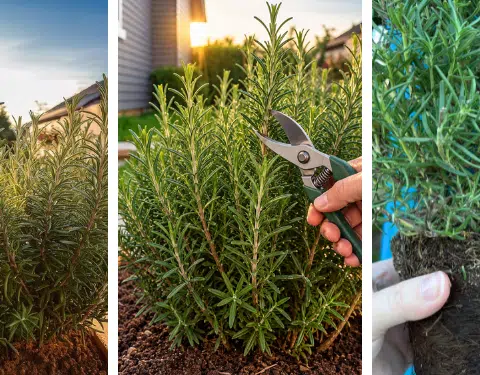
Rosemary requires excellent drainage. A 5 gallon bucket is ideal to prevent root crowding.
Prepare a fast-draining mix: 50% potting soil, 30% coarse sand, 20% perlite. Avoid heavy compost.
Plant at the same depth it grew previously. Never bury stems deeply. Water thoroughly once after planting, then allow the top 2–3 inches of soil to dry before watering again.
Overwatering is the most common cause of failure. Rosemary prefers slightly dry soil and strong sun exposure (at least 8 hours daily).
Do not over-fertilize. One light feeding in early spring is sufficient. Too much nitrogen reduces essential oil concentration.
Prune lightly in spring to shape. Never cut into thick, old woody stems because they rarely regenerate.
If roots circle tightly inside the bucket, repot or gently tease them outward before replanting.
4. Thyme
Thyme thrives in poor soil and full sun. A 2–3 gallon bucket is sufficient because roots stay shallow.
Use sandy, lean soil with minimal compost. Overly rich soil produces weak stems. Water only when soil is completely dry on top. Thyme tolerates drought better than overwatering.
Avoid heavy feeding. One light compost refresh in spring is enough.
Trim stems regularly to encourage dense growth. After flowering, cut back lightly to maintain shape. Good airflow is essential. Do not crowd multiple thyme plants tightly.
5. Parsley
Parsley develops a long taproot, so a 3–5 gallon bucket with depth is important.
Use nutrient-rich soil. Sow seeds ¼ inch deep or transplant seedlings carefully without bending roots.
Keep soil evenly moist. Parsley dislikes drying out but should never sit in waterlogged soil. Feed every 3 weeks with balanced liquid fertilizer.
Harvest outer stems at the base to encourage central growth. Never remove more than one-third at a time. In hot weather, provide afternoon shade to prevent stress.
6. Oregano
Oregano prefers slightly dry conditions and full sun. A 3 gallon bucket works well.
Use light, well-draining soil. Plant one seedling per container.
Water moderately. Allow top layer to dry before watering again.
Trim frequently to prevent stems from becoming woody. Cutting encourages bushier growth and higher leaf production. Replace soil yearly for best flavor intensity.
7. Cilantro
Cilantro prefers cool weather. Use a 3 gallon bucket with rich but well-draining soil.
Sow seeds directly ½ inch deep. Thin seedlings to avoid crowding. Keep soil consistently moist to prevent bolting.
Provide partial shade if temperatures rise above 25°C (77°F). Succession plant every 2–3 weeks for continuous harvest.
8. Chives
Chives grow in compact clumps. A 2–3 gallon bucket supports several stems.
Plant at same depth as nursery pot. Use balanced soil mix.
Water moderately. They tolerate mild drying but grow best in moist soil.
Cut leaves down to 1–2 inches above soil to encourage regrowth. Divide clumps every few years to prevent overcrowding.
9. Sage
Sage prefers dry, sunny conditions and benefits from 5 gallon buckets.
Use sandy soil with excellent drainage.
Water only when top soil dries out. Overwatering weakens stems. Feed lightly once in spring.
Prune lightly after flowering to prevent woody growth.
10. Lemon balm
Lemon balm grows vigorously and spreads like mint. A 3–5 gallon bucket prevents takeover.
Use rich soil with good drainage. Keep soil moderately moist.
Trim frequently to prevent flowering, which reduces leaf quality. Refresh soil yearly for best productivity.
Common Mistakes to Avoid
- No drainage holes
- Using heavy garden soil
- Overwatering woody herbs
- Letting herbs flower too early
- Crowding too many plants in one bucket
Bucket herb gardening gives you total control over moisture, nutrients, and temperature – especially valuable in unpredictable spring weather.
With proper drainage, correct soil mix, and consistent pruning, these herbs will grow faster and often healthier than in-ground plantings.