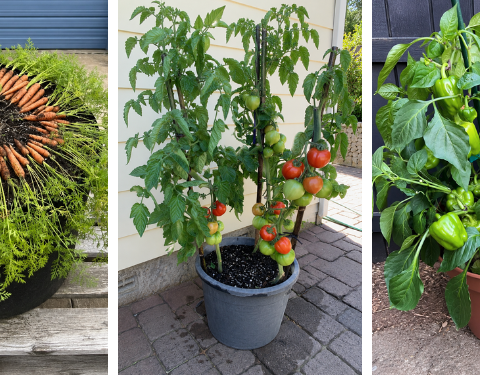
Tomato plants are some of the most cherished staples in home gardens, valued for their fruitful yields.
However, as they grow, their significant weight and size can cause challenges, potentially impacting their health and productivity.
This article delves into the critical role of tomato cages, providing a detailed guide on how to select and establish the ideal support system for your plants.
The Importance of Tomato Cages
Support for Growth: Particularly for indeterminate tomato varieties that grow tall, cages provide essential support, preventing the plants from tipping over under the heavy burden of their fruits.
Air Circulation: A well-supported tomato plant ensures better airflow around the foliage, which is crucial in mitigating the risks of diseases like blight and other fungal infections.
Sunlight Exposure: Cages help in maintaining even sunlight exposure, essential for consistent fruit development.
Cleanliness: Elevating tomatoes off the ground keeps them away from soil-borne pests and diseases and maintains fruit cleanliness.
Ease of Harvest: Tomatoes that are supported by stakes or cages are significantly easier to harvest compared to those that sprawl on the ground.
Step 1: Choosing the Right Cage
Size Matters: Opt for a cage that can accommodate the mature size of your tomato plants. Taller and more robust cages may be necessary for indeterminate varieties.
Material: Tomato cages are available in a variety of materials including wire, metal, and wood. Factors to consider include durability, weather resistance, and ease of storage.
Design: Cages come in different shapes such as conical, square, or round. The design affects how easily you can access the plant and the overall stability of the structure.
Step 2: Timing is Key
Early Installation: It’s best to install cages early in the growing season, shortly after transplanting the seedlings. This approach helps minimize root disturbance and ensures that the plant is accustomed to growing within the confines of the support.
Step 3: Installing the Cage
Secure Positioning: Ensure the cage is deeply planted into the ground—at least 6-12 inches—to stabilize it against wind and the weight of a fully grown plant.
Adding Support: In areas prone to high winds, or for particularly tall plant varieties, reinforce the cage with additional stakes or secure it to a nearby fixed structure.
Step 4: Regular Maintenance
Pruning: Regular pruning of excess foliage, especially for indeterminate varieties, helps focus the plant’s energy on producing fruit rather than excessive leaves.
Check Stability: Regularly check the stability of the cage, particularly after storms or significant weather events.
Tuck Stray Branches: Occasionally, branches may escape the confines of the cage. Gently guide these stray branches back into the cage to ensure continued support, and maintain optimal air circulation and sunlight exposure.
Tomato cages are indispensable for cultivating healthy, productive tomato plants. They not only facilitate plant growth by providing necessary support but also enhance overall plant health, protect the fruit, and simplify the gardening process.
By selecting the appropriate cage, installing it properly, and maintaining the plant and its support throughout the season, you can anticipate a plentiful harvest of delicious tomatoes. Enjoy your gardening journey!