Tomatoes are one of the most widely grown vegetables in home gardens. Gardeners love them for their rich flavor, versatility in cooking, and rewarding harvests.
However, growing healthy tomato plants requires more than simply planting seeds and waiting for fruit.
Early spring is one of the most important periods in the tomato-growing season. During this time, gardeners prepare soil, start seedlings, and create the right conditions for strong plant development.
Many gardeners focus on planting dates but forget several key steps that significantly influence how well tomatoes grow later in the season.
The tomato plant, scientifically known as Solanum lycopersicum, is a warm-season crop that thrives when properly prepared during early spring.
Skipping important preparation tasks can lead to weaker plants, disease problems, and smaller harvests.
Why Early Spring Preparation Matters
Tomatoes grow quickly once temperatures warm, but their success depends heavily on early-season preparation.
Strong roots, healthy soil, and disease prevention all begin before the plants are even placed in the garden.
By completing important early spring tasks, gardeners create the ideal conditions for vigorous growth and heavy fruit production later in the season.
Many common tomato problems – such as nutrient deficiencies, fungal diseases, or poor yields — often originate from mistakes made before planting.
With proper preparation, tomato plants grow stronger, resist pests better, and produce larger harvests.
1. Warming the Soil Before Planting
One mistake many gardeners make is planting tomatoes into cold soil.
Tomatoes are extremely sensitive to soil temperature. If the soil is too cold, the roots struggle to absorb nutrients and the plant may experience stunted growth.
Tomatoes grow best when soil temperatures reach around 16–18°C (60–65°F).
In early spring, gardeners can warm the soil by covering the planting area with black plastic or landscape fabric. These materials absorb sunlight and raise soil temperatures several degrees.
Removing the cover a few days before planting ensures the soil remains warm and ready for seedlings.
Warming the soil early can significantly speed up tomato growth and help plants establish quickly.
2. Improving Soil with Compost
Healthy soil is the foundation of productive tomato plants.
Tomatoes are heavy feeders, meaning they require nutrient-rich soil to grow properly. Many gardeners plant tomatoes without first improving the soil, which can lead to weak plants and poor fruit production.
Adding compost to the soil in early spring helps provide essential nutrients and improves soil structure.
Compost increases the soil’s ability to retain moisture while still allowing proper drainage. It also supports beneficial microorganisms that help plants absorb nutrients.
Mixing several inches of compost into the planting area before transplanting tomatoes ensures the roots have access to the nutrients they need throughout the growing season.
3. Planning Support Structures Early
Tomato plants grow quickly once warm weather arrives.
Without proper support, the stems can become tangled, collapse under the weight of fruit, or develop disease from contact with the soil.
Many gardeners forget to install support systems until the plants are already large, which can damage roots or stems.
Early spring is the perfect time to install tomato cages, stakes, or trellises before planting.
Placing supports early allows the plants to grow naturally around them and prevents root disturbance later.
Proper support keeps tomatoes off the ground, improves airflow, and makes harvesting easier.
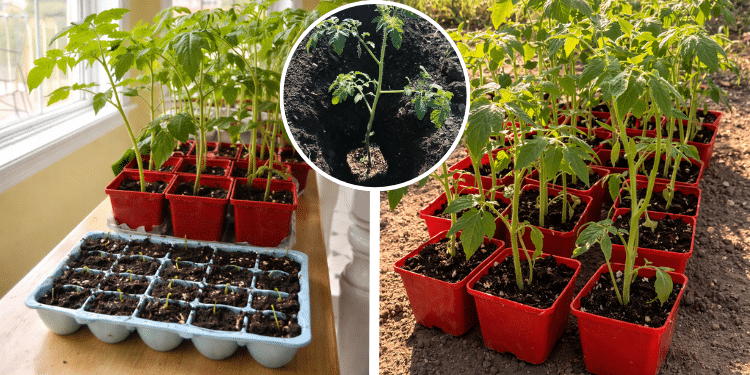
4. Starting Seedlings Strong Indoors
For gardeners growing tomatoes from seed, early spring is the time to focus on strong seedling development.
Seedlings started indoors need bright light and consistent temperatures to grow healthy stems.
One common mistake is not providing enough light. Weak lighting causes seedlings to become tall and thin, a condition known as “leggy growth.”
Using grow lights or placing seedlings in a bright south-facing window helps prevent this problem.
Seedlings should also be rotated regularly to ensure even growth.
Strong seedlings develop thicker stems and deeper roots, which helps them adapt quickly when transplanted into the garden.
5. Hardening Off Seedlings Before Transplanting
Seedlings grown indoors must gradually adjust to outdoor conditions before being planted outside.
This process is known as hardening off.
Many gardeners skip this step, which can shock young plants when they are suddenly exposed to wind, sunlight, and cooler temperatures.
Hardening off involves placing seedlings outdoors for short periods each day, gradually increasing their exposure over one to two weeks.
This process strengthens the plants and prepares them for outdoor conditions.
Well-hardened tomato plants experience less transplant shock and begin growing more quickly once planted.
6. Preventing Early Spring Diseases
Tomatoes are susceptible to several fungal diseases that often begin early in the growing season.
These diseases spread easily when plants are crowded or when leaves remain wet for long periods.
Early spring preparation can greatly reduce the risk of disease.
One important step is spacing tomato plants properly to allow good airflow.
Another helpful practice is watering at the base of the plant rather than spraying water onto the leaves.
Some gardeners also apply organic mulch once the soil warms to prevent soil-borne diseases from splashing onto lower leaves.
Preventing disease early is far easier than trying to treat it later.
7. Adding Companion Plants for Natural Protection
Companion planting is an often-overlooked strategy for improving tomato health.
Certain plants help repel pests, attract beneficial insects, or improve soil conditions.
One of the most popular companion plants for tomatoes is marigold. These bright flowers help repel some garden pests and attract pollinators.
Other beneficial companion plants include:
• Basil
• Garlic
• Nasturtiums
• Chives
Planting these companions near tomatoes in early spring helps create a balanced garden ecosystem that supports healthy plant growth.
Additional Tips for Early Tomato Success
Beyond these seven tasks, several other small details can make a big difference in tomato growth.
Choosing disease-resistant tomato varieties can help prevent common problems.
Rotating tomato planting locations each year reduces the risk of soil-borne diseases.
Maintaining consistent watering helps prevent issues such as blossom-end rot.
Monitoring plants regularly for pests ensures problems can be addressed before they spread.
These small habits contribute to healthier plants and more productive gardens.
Signs Your Tomatoes Are Off to a Good Start
Healthy tomato plants show several signs of strong early growth.
The stems should be thick and sturdy rather than thin and fragile.
Leaves should appear vibrant green and free from spots or discoloration.
Plants that establish strong roots early in the season often grow faster and produce more fruit later.
Paying attention to these early signs helps gardeners identify problems before they become serious.
Common Early Spring Tomato Mistakes
Even experienced gardeners sometimes make simple mistakes with tomatoes.
Planting too early is one of the most common problems. Tomatoes dislike cold temperatures and may suffer damage if exposed to frost.
Overwatering seedlings is another issue. Excess moisture can cause root rot and fungal diseases.
Finally, overcrowding plants reduces airflow and increases disease risk.
Avoiding these mistakes helps ensure a healthy start to the growing season.
Tomatoes are one of the most rewarding plants to grow in the garden, but their success begins long before the first flowers appear.
Early spring preparation plays a crucial role in determining how well tomato plants grow throughout the season.