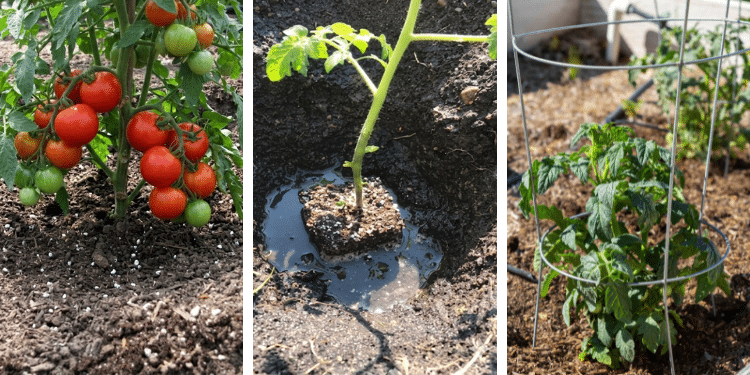
June is one of the most important months for tomato plants. By now, many tomatoes are growing rapidly, developing thick stems, producing flowers, and beginning to set fruit.
The care they receive during this stage often determines:
- How productive they become
- How large the harvest will be
- How healthy the plants remain during summer heat
- Whether they struggle with disease, blossom end rot, or weak fruit production later in the season
Tomatoes are heavy feeders and fast growers. During June, they enter a stage where they need proper support, balanced watering, airflow, and regular maintenance to continue growing strong through the hottest part of summer.
Many common tomato problems actually begin in early summer because plants become overcrowded, underfed, improperly watered, or stressed before fruit production fully begins.
Fortunately, a few simple tasks during June can dramatically improve tomato health and help support larger, healthier harvests later in the season.
Here are seven important things to do with tomato plants in June for the best summer growth and production.
1. Deep Water Tomato Plants Consistently
One of the most important things tomatoes need in June is consistent deep watering.
As temperatures rise, tomato plants begin growing rapidly and using much more moisture. At the same time, inconsistent watering may contribute to several common problems, including:
- Blossom end rot
- Fruit cracking
- Wilting
- Stress
- Poor fruit development
Tomatoes prefer deep watering rather than frequent shallow watering.
Deep watering encourages roots to grow farther down into the soil, creating:
- Stronger root systems
- Better drought resistance
- More stable growth during heat waves
Shallow watering often keeps roots near the soil surface, where they dry out quickly during hot weather.
How to Water Tomatoes Properly
Water slowly and deeply near the base of the plant rather than spraying foliage overhead.
The goal is to moisten the soil deeply enough that roots grow downward instead of staying shallow.
Early morning watering is usually best because it:
- Reduces evaporation
- Gives plants moisture before heat builds
- Allows leaves to dry during the day
Wet foliage overnight may increase fungal disease risk.
Why Tomatoes Split and Crack
Tomato cracking often happens when plants go from very dry soil to suddenly very wet soil.
The fruit absorbs water quickly, causing the skin to split as the inside expands faster than the outer skin can stretch.
Consistent moisture helps prevent this stress.
2. Add Mulch Around the Base of Plants
Mulching tomatoes in June may dramatically improve plant health during summer.
As temperatures rise, bare soil dries quickly and experiences stronger temperature swings.
Mulch helps:
- Retain moisture
- Keep roots cooler
- Reduce evaporation
- Suppress weeds
- Prevent soil from splashing onto leaves during rain
Soil splash is important because many tomato diseases spread upward from soil onto lower leaves.
The Best Mulch for Tomatoes
Good mulch choices include:
- Straw
- Shredded leaves
- Grass clippings (chemical-free)
- Compost
- Pine needles
Apply mulch a few inches thick around the base while keeping it slightly away from the main stem.
Mulch becomes especially valuable during extreme summer heat.
3. Remove Lower Leaves for Better Airflow
By June, tomato plants often become thick and crowded.
Removing some lower leaves helps:
- Improve airflow
- Reduce fungal disease
- Prevent soil-borne pathogens from splashing upward
- Reduce humidity around the plant
This becomes especially important during warm humid weather.
Many fungal diseases thrive when:
- Leaves stay wet too long
- Air circulation is poor
- Plants become overcrowded
How to Prune Lower Tomato Leaves
Remove leaves that:
- Touch the soil
- Appear yellow
- Look damaged
- Crowd the lower stem area
The bottom several inches of the plant are especially vulnerable to disease because moisture and soil organisms collect there.
Keeping the lower area cleaner helps reduce problems later in summer.
Why Airflow Matters So Much
Tomatoes naturally grow dense foliage.
Without airflow, humidity builds inside the plant canopy, creating ideal conditions for:
- Blight
- Powdery mildew
- Fungal spots
- Rotting foliage
Good spacing and light pruning help leaves dry faster after watering or rain.
4. Support Tomato Plants Before They Become Too Heavy
Tomato plants grow surprisingly fast during June.
Without support, stems may:
- Bend
- Snap
- Drag on the ground
- Develop disease more easily
Adding support early is much easier than trying to fix tangled heavy plants later.
Best Tomato Support Options
Popular support methods include:
- Tomato cages
- Stakes
- Florida weave systems
- Trellises
Indeterminate tomato varieties especially need strong vertical support because they continue growing and producing fruit all season long.
Keeping plants upright improves:
- Airflow
- Sunlight exposure
- Harvesting
- Disease prevention
Why Ground Contact Causes Problems
Tomatoes resting on soil become more vulnerable to:
- Rot
- Insects
- Slugs
- Soil-borne disease
Keeping fruit and foliage elevated greatly improves plant health overall.
5. Feed Tomatoes Carefully – But Don’t Overdo Nitrogen
June is a key feeding period because tomato plants begin demanding more nutrients during flowering and fruit development.
However, one of the biggest mistakes gardeners make is using too much nitrogen fertilizer.
Excess nitrogen may produce:
- Huge leafy plants
- Weak stems
- Fewer tomatoes
- Delayed fruiting
The plant focuses heavily on foliage instead of flowers and fruit.
What Tomatoes Need During Fruit Development
As flowering and fruiting begin, tomatoes benefit from nutrients that support:
- Root strength
- Flower production
- Fruit development
Balanced fertilizers or compost-rich soil often work well.
Many gardeners use fertilizers slightly higher in:
- Phosphorus
- Potassium
during fruiting season.
Why Compost Helps Tomatoes
Compost improves:
- Soil structure
- Water retention
- Microbial life
- Slow nutrient release
Healthy living soil often produces healthier tomatoes overall.
6. Watch for Suckers on Indeterminate Varieties
Tomato suckers are small shoots that grow between the main stem and side branches.
On indeterminate tomatoes, removing some suckers may help:
- Improve airflow
- Direct energy toward fruit
- Reduce overcrowding
- Keep plants manageable
However, not all suckers must be removed.
How to Identify Tomato Suckers
Suckers grow in the “V” between:
- The main stem
- A leaf branch
If left alone, suckers become full stems capable of producing flowers and fruit themselves.
Some gardeners remove most suckers for larger fruit and better airflow, while others leave more growth for heavier overall harvests.
Why Overcrowded Tomato Plants Struggle
Too much dense growth may lead to:
- Reduced airflow
- Increased disease risk
- Shaded fruit
- Slower drying after rain
Selective pruning helps create balance.
7. Monitor for Early Pest and Disease Problems
June is when many tomato problems first begin appearing.
Catching issues early is much easier than dealing with severe infestations later.
Regularly inspect plants for:
- Yellowing leaves
- Spots
- Wilting
- Chewed foliage
- Aphids
- Hornworms
- Whiteflies
Early action often prevents major damage.
Common Early Tomato Diseases
Tomatoes may develop:
- Early blight
- Septoria leaf spot
- Fungal diseases
especially during humid or rainy weather.
Good prevention habits include:
- Mulching
- Proper spacing
- Watering at soil level
- Removing infected leaves
Why Healthy Tomato Plants Resist Problems Better
Strong healthy plants naturally tolerate stress better.
Good soil, proper watering, airflow, and sunlight help tomatoes:
- Recover faster
- Resist disease better
- Produce more consistently
Prevention is often far easier than treatment later in the season.
The Importance of Full Sun
Tomatoes thrive best with:
- 6–8+ hours of direct sunlight daily
Insufficient sunlight may contribute to:
- Weak stems
- Fewer flowers
- Slower ripening
- Reduced flavor
June sunlight helps fuel rapid summer growth and fruit production.
Why June Care Shapes Summer Harvests
Many gardeners focus heavily on planting tomatoes in spring but underestimate how important June maintenance becomes.
The habits established now strongly influence:
- Fruit quality
- Disease resistance
- Yield size
- Plant longevity
Healthy June growth often leads to healthier harvests later.
June is one of the most critical months for tomato plants because this is when they rapidly transition from leafy spring growth into heavy summer production.
Simple actions like deep watering, mulching, pruning lower leaves, supporting stems, feeding properly, managing suckers, and watching for disease may dramatically improve tomato health and harvest size later in the season.