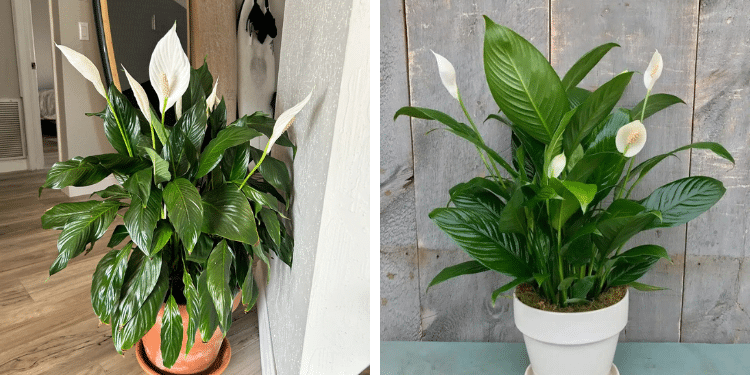
Not every home is filled with bright sunlight, and not every plant thrives without it. This is exactly why the peace lily has become one of the most beloved houseplants around the world.
Elegant, resilient, and surprisingly adaptable, the peace lily doesn’t just tolerate low light – it often thrives in it.
Beyond its graceful white blooms and glossy green leaves, the peace lily offers real benefits for indoor living.
From improving air quality to creating a calmer atmosphere, this plant quietly enhances spaces where many other plants fail.
Here are seven powerful reasons why everyone should have a peace lily in low-light conditions.
1. Thrives Where Most Plants Struggle
Low-light rooms such as bedrooms, hallways, offices, and north-facing spaces can be challenging for houseplants.
The peace lily stands out because it naturally grows under forest canopies, where sunlight is filtered and indirect.
In these conditions, peace lilies continue to grow steadily, maintain healthy foliage, and even produce flowers.
This makes them ideal for homes and apartments that lack strong natural light.
2. One of the Best Low-Light Blooming Plants
Many low-light plants offer greenery but no flowers. Peace lilies are different. Even in moderate to low light, they can produce their signature white blooms, adding brightness and elegance to darker spaces.
While brighter indirect light encourages more frequent flowering, peace lilies remain one of the few reliable bloomers for low-light interiors.
3. Improves Indoor Air Quality Naturally
Peace lilies are well known for their ability to help improve indoor air quality. Their broad leaves absorb airborne pollutants while releasing oxygen, contributing to a fresher indoor environment.
They also help trap dust and airborne particles, which is especially beneficial in rooms that are closed for long periods.
While no plant replaces ventilation, peace lilies support healthier indoor air naturally.
4. Helps Increase Humidity in Dry Rooms
Low-light rooms are often dry, especially during winter when heating systems reduce humidity. Peace lilies release moisture into the air through transpiration, helping raise humidity levels naturally.
This can support:
- skin comfort
- respiratory ease
- reduced dryness in the air
Bedrooms and offices benefit especially from this subtle but meaningful effect.
5. Signals Care Needs Clearly (Perfect for Beginners)
Peace lilies are incredibly communicative plants. When they need water, their leaves visibly droop – and perk back up quickly once watered. This makes them one of the easiest plants to care for, even for beginners.
They don’t require guesswork, schedules, or complicated routines. In low-light environments where plant stress can be harder to detect, this responsiveness is a huge advantage.
6. Creates a Calming, Peaceful Atmosphere
The peace lily’s graceful form and soft white flowers create a sense of calm that few plants can match. Its presence naturally softens harsh interiors and brings balance to quiet spaces.
This calming effect makes peace lilies especially well suited for:
- bedrooms
- meditation areas
- home offices
- reading nooks
Many people report feeling more relaxed and focused when peace lilies are nearby.
7. Requires Minimal Maintenance in Low Light
Peace lilies don’t demand frequent fertilizing, pruning, or repositioning. In low-light settings, their growth slows slightly, which actually reduces maintenance needs.
They prefer:
- indirect or filtered light
- evenly moist soil
- stable temperatures
- protection from drafts
Once placed correctly, they remain content with minimal attention.
Where Peace Lilies Perform Best Indoors
Peace lilies perform beautifully in:
- north-facing rooms
- offices with fluorescent lighting
- shaded corners near windows
- bedrooms with soft daylight
Avoid direct sunlight, which can scorch leaves and stress the plant.
Common Low-Light Mistakes to Avoid
Overwatering is the most common issue. Low light slows water use, so soil should be allowed to dry slightly between watering. Yellowing leaves often indicate excess moisture rather than lack of light.
Keeping the plant away from cold drafts and heat vents also helps maintain consistent health.
Why Peace Lilies Are Ideal for Modern Homes
Modern homes often prioritize aesthetics, efficiency, and comfort – and peace lilies fit perfectly.
They offer beauty without complexity, benefits without chemicals, and growth without demanding conditions.
Their ability to thrive in low light makes them accessible to nearly everyone, regardless of living space.
The peace lily proves that low light doesn’t mean low impact.
With its ability to bloom in shade, purify air, increase humidity, reduce stress, and thrive with minimal care, it’s one of the most practical and rewarding houseplants available.