In our fast-paced, always-on world, quality sleep has become something of a luxury. Millions of people struggle to fall asleep, stay asleep, or wake up feeling refreshed.
While many turn to sleep aids, white noise machines, or expensive mattresses, the solution to better rest might be far simpler – and more natural – than you think.
Imagine this: instead of tossing and turning night after night, you drift into deep, restorative sleep surrounded by a soothing, calming scent – all thanks to a humble lavender plant placed beside your bed.
Lavender (Lavandula angustifolia) is more than just a beautiful, fragrant herb – it’s one of nature’s most powerful sleep aids.
And modern science now confirms what our ancestors knew all along: lavender can dramatically improve sleep quality – naturally, gently, and without side effects.
Lavender: A Timeless Remedy for Mind and Body
Before diving into how lavender can transform your sleep, it’s worth understanding just how special this plant is.
Lavender is a member of the mint family (Lamiaceae) and is native to the Mediterranean, where it’s been cultivated for over 2,500 years.
Ancient Egyptians used it in their embalming rituals, Romans infused their bathwater with it for relaxation, and medieval herbalists prescribed it for insomnia, melancholy, and “nervous disorders.”
The name itself comes from the Latin lavare, meaning “to wash,” highlighting its purifying and soothing properties.
Today, lavender remains one of the most widely used herbs in natural medicine. Its essential oils, flowers, and even leaves are used in everything from aromatherapy and skincare to culinary creations and home remedies. But perhaps its most powerful – and scientifically supported – use is as a natural sleep enhancer.
The Science Behind Lavender’s Sleep-Boosting Power
Lavender’s sleep-enhancing properties aren’t just folklore – they’re backed by extensive scientific research.
Its power lies in its unique aromatic compounds, especially linalool and linalyl acetate, which directly influence the body’s nervous system and sleep cycles.
Here’s how lavender helps you sleep deeper and better:
1. Calms the Nervous System
When you inhale the scent of lavender, aromatic molecules travel through the olfactory system to the brain, where they interact with the limbic system – the emotional control center that regulates stress, mood, and relaxation.
This helps reduce activity in the sympathetic nervous system (responsible for the “fight or flight” response) and activates the parasympathetic nervous system (responsible for “rest and digest”).
As a result, your heart rate slows, blood pressure drops, and cortisol levels decrease, putting your body in a relaxed, sleep-ready state.
2. Increases Alpha Brain Waves
Studies show that inhaling lavender increases alpha brain wave activity – the same brain waves associated with relaxation, meditation, and the transition into sleep. This makes it easier to drift into a restful, restorative slumber.
3. Enhances Sleep Hormones
Lavender has been shown to influence levels of serotonin and melatonin, two key hormones involved in regulating sleep cycles.
By promoting serotonin release, it enhances feelings of well-being and relaxation, while also supporting healthy melatonin production to maintain your natural sleep-wake rhythm.
4. Reduces Anxiety and Insomnia
Lavender’s anxiolytic (anxiety-reducing) properties are well-documented. Multiple clinical studies have found that lavender aromatherapy significantly reduces anxiety and improves sleep quality – even in people with chronic insomnia or anxiety disorders.
It’s so effective that some researchers compare its calming effects to mild sedatives, but without the risk of dependency or side effects.
Proven Sleep Benefits of Having a Lavender Plant by Your Bed
Simply placing a lavender plant by your bed can transform your sleep environment in ways you might not expect. Here’s what research – and centuries of tradition – tell us about its benefits:
1. Helps You Fall Asleep Faster
If you spend hours staring at the ceiling waiting for sleep to come, lavender could be the solution. Inhaling its scent before bedtime has been shown to shorten sleep latency – the time it takes to fall asleep – by calming the mind and preparing the body for rest.
2. Improves Sleep Quality and Duration
Lavender doesn’t just help you fall asleep – it helps you stay asleep and achieve deeper, more restorative rest.
Research shows that exposure to lavender increases slow-wave sleep, the most rejuvenating stage of the sleep cycle, associated with tissue repair, memory consolidation, and immune system strengthening.
3. Reduces Nighttime Wakefulness
If you often wake up throughout the night, lavender can help. Its sedative effects promote a more stable sleep cycle, reducing nighttime awakenings and helping you wake up feeling refreshed rather than groggy.
4. Eases Stress and Nighttime Anxiety
Racing thoughts and nighttime anxiety are common causes of insomnia. Lavender acts as a natural anxiolytic, calming an overactive mind and reducing stress hormones, making it easier to transition into sleep without worry.
5. Enhances Mood and Morning Energy
Because lavender supports better quality sleep and reduces cortisol, it also improves mood and mental clarity during the day.
You’ll likely find yourself waking up with more energy, better focus, and a more positive outlook.
Additional Wellness Benefits of Lavender Beyond Sleep
While its impact on sleep is impressive, lavender offers many other health benefits that make it worth having in your bedroom:
- Reduces headaches and migraines: Inhaling lavender oil or the plant’s natural aroma can alleviate tension headaches.
- Lowers blood pressure: Studies show that regular exposure to lavender’s scent can help reduce blood pressure and heart rate.
- Supports respiratory health: Lavender’s mild anti-inflammatory and antimicrobial properties can ease breathing and support healthy airways.
- Repels insects: Its natural scent deters mosquitoes and moths – perfect for a peaceful, bite-free night.
- Improves indoor air quality: Lavender plants naturally release oxygen and absorb carbon dioxide, subtly improving air freshness in your bedroom.
How to Grow and Care for a Lavender Plant Indoors
The key to reaping lavender’s sleep benefits is keeping a healthy, thriving plant near your bed. While lavender is traditionally grown outdoors, it adapts well to indoor environments with the right care.
Here’s how to do it right:
1. Choose the Right Variety
Not all lavenders thrive indoors. The best varieties for indoor growing are compact, fragrant, and tolerant of container life.
Recommended options include:
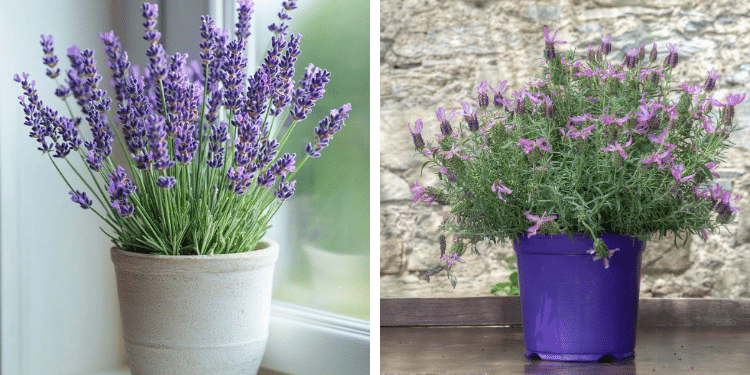
- English Lavender (Lavandula angustifolia): Highly fragrant and ideal for bedrooms.
- French Lavender (Lavandula dentata): Easier to grow indoors and blooms frequently.
- Lavandin hybrids: Known for strong scent and hardy growth.
2. Provide Plenty of Light
Lavender loves sunlight – aim for at least 6 hours of bright, direct sunlight per day. A sunny south-facing window is ideal. If natural light is limited, supplement with a grow light.
3. Use Well-Draining Soil and Pots
Lavender hates wet roots. Choose a pot with drainage holes and use a light, sandy potting mix. Adding perlite or small stones improves drainage.
4. Water Sparingly
Overwatering is one of the most common mistakes. Water only when the top inch of soil feels dry. Lavender prefers slightly dry conditions over soggy soil.
5. Maintain Good Air Circulation
Lavender thrives in fresh air. Ensure adequate ventilation and avoid placing the plant in overly humid rooms. A gentle breeze from an open window or small fan is beneficial.
6. Prune for Health and Shape
Lightly trim your plant a few times a year to encourage bushier growth and more blooms. Deadhead faded flowers to promote continuous flowering.
7. Keep It Close to Your Bed
For maximum sleep benefits, place the plant on a nightstand, windowsill, or shelf near your bed so that you inhale its aroma throughout the night.
Creative Ways to Enhance Lavender’s Sleep Benefits
In addition to keeping a live plant by your bed, you can use lavender in other ways to amplify its sleep-inducing power:
1. Lavender Pillow Sachets
Fill a small fabric pouch with dried lavender flowers and place it under your pillow. The gentle aroma released while you sleep will help keep you calm and relaxed.
2. Lavender-Infused Bed Spray
Make a DIY linen spray by mixing 10 drops of lavender essential oil with a cup of distilled water and a tablespoon of witch hazel. Mist your sheets and pillows before bed for an extra dose of relaxation.
3. Bedtime Herbal Tea
Sip a calming tea made from dried lavender flowers 30–60 minutes before bedtime. This not only relaxes your nervous system but also enhances the sleep-inducing atmosphere in your room.
4. Aromatherapy Diffuser
If your lavender plant isn’t blooming yet, use a diffuser with lavender essential oil. Even a few drops can transform your bedroom into a calming, sleep-friendly space.
Troubleshooting Common Problems with Indoor Lavender
Growing lavender indoors is relatively easy, but here are some tips if things go wrong:
- Leggy or sparse growth: The plant isn’t getting enough light. Move it to a sunnier location or add a grow light.
- Yellowing leaves: Overwatering. Allow soil to dry out before watering again.
- No flowers: The plant may be too young or not receiving enough light. Ensure proper sun exposure and prune lightly to encourage blooms.
- Pest issues (like spider mites): Increase humidity slightly and wipe leaves with a mild soap solution.
Lavender vs. Other Sleep Solutions: Why It’s the Best Natural Option
You might wonder: how does lavender compare to other common sleep aids? Here’s why it stands out:
| Sleep Aid | Benefits | Downsides |
|---|---|---|
| Prescription sleep medications | Fast-acting, effective | Can cause dependency, side effects, grogginess |
| Melatonin supplements | Regulates sleep cycles | May disrupt natural hormone production with long-term use |
| Chamomile tea | Mildly relaxing | Less potent, short-lived effects |
| White noise machines | Improves sleep environment | Doesn’t address anxiety or stress |
| Lavender plant | Natural, continuous, multi-benefit (stress reduction, hormone support, deeper sleep) | Requires minimal plant care |
Lavender is unique because it works holistically – addressing the root causes of sleep problems (like stress, anxiety, and nervous system imbalance) rather than just treating the symptoms.
If you’ve been searching for a natural, effective, and affordable way to improve your sleep, the solution might be as simple as placing a lavender plant by your bed.