Do you love the idea of being surrounded by lush greenery? Many studies have shown that green spaces reduce stress, enhance creativity, and improve overall well-being.
If you’re limited on space but still want to enjoy the benefits of a beautiful garden, a vertical wall garden is the perfect solution!
Vertical gardens are becoming increasingly popular, not only because they save space, but also because they enhance aesthetics, improve air quality, and allow you to grow fresh herbs and vegetables even in small urban spaces.
In this guide, you’ll learn how to create a vertical wall garden, the best plants to grow, and essential tips for maintaining a healthy, thriving green wall.
What Is a Vertical Wall Garden?
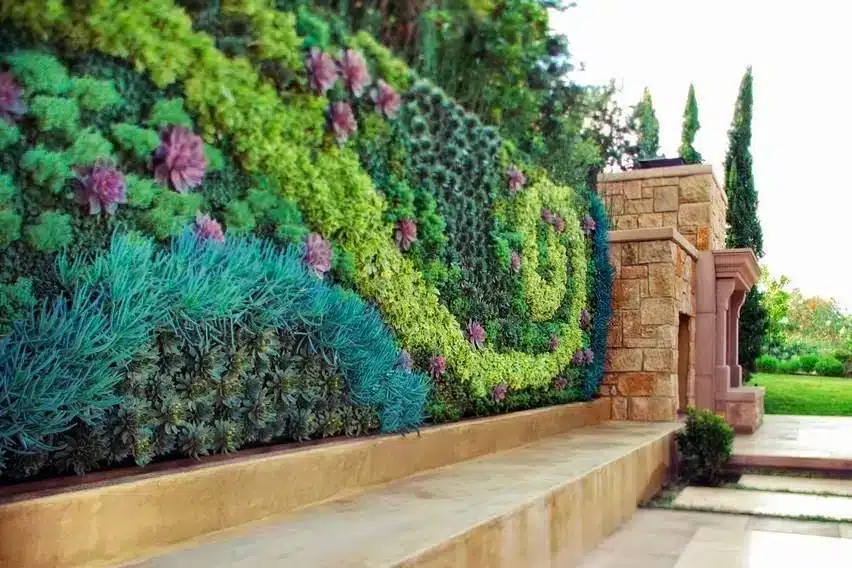
A vertical wall garden is a living wall of plants that is grown vertically instead of in traditional horizontal beds.
This type of gardening is ideal for:
- Small balconies, patios, and apartments where space is limited.
- Indoor and outdoor walls to create a stunning green feature.
- Growing edibles like herbs, lettuce, and strawberries in compact spaces.
- Urban gardens and city dwellers looking to maximize their greenery.
How to Create a Vertical Wall Garden – Step-by-Step Guide
1. Choose the Right Structure
To support your plants, you need a strong base that can hold soil, plants, and moisture. Depending on your budget and style, you can choose from:
✔️ Wooden Pallets – Affordable, easy to DIY, and rustic-looking.
✔️ Metal Frames & Trellises – Ideal for climbing plants and vines.
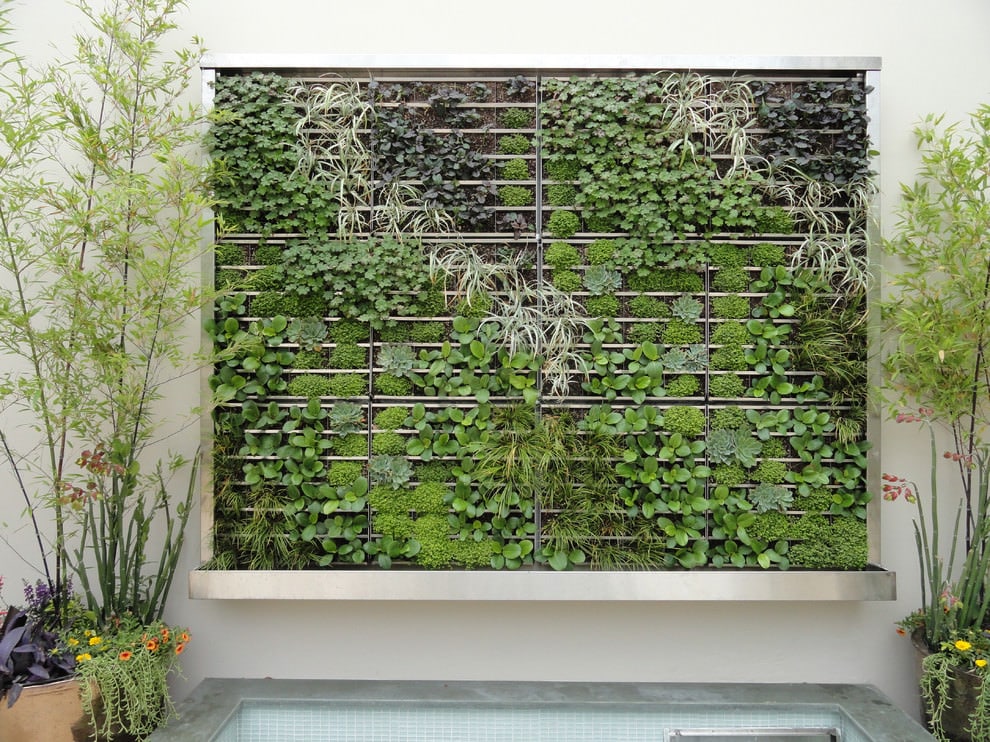
✔️ Modular Wall Planters – Ready-made vertical garden kits with built-in irrigation.
✔️ Hanging Pockets (Fabric Planters) – Soft, lightweight, and perfect for herbs and small flowers.
✔️ PVC Pipe Gardens – Great for hydroponic gardening or small-rooted plants.
Pro Tip: If your vertical garden is against a wall, ensure that the wall is waterproofed to prevent moisture damage.
2. Install a Fabric or Plastic Layer
Once your structure is in place, attach a layer of fabric or plastic. This holds the soil in place and prevents water from leaking through.
✔️ Plastic sheets are water-resistant and ideal for outdoor gardens.
✔️ Felt fabric or geotextile fabric holds soil while allowing drainage.
✔️ Use recycled materials like old burlap bags for an eco-friendly option.
Pro Tip: For a low-maintenance option, consider using hydroponic grow mats instead of soil.
3. Set Up an Irrigation System
Watering a vertical garden can be challenging, so installing a drip irrigation system is the best way to ensure plants get the moisture they need.
✔️ Drip irrigation tubes provide slow, steady watering to prevent overwatering.
✔️ Self-watering vertical planters have built-in reservoirs that distribute water evenly.
✔️ Hand-watering with a spray bottle works for small vertical gardens.
Pro Tip: Collect rainwater in a barrel and use it to water your vertical garden naturally!
4. Select the Best Plants for Your Vertical Garden
The success of your vertical garden depends on choosing the right plants that thrive in vertical growing conditions.
✔️ Best Plants for Small Vertical Gardens:
Herbs: Basil, mint, thyme, parsley, rosemary, cilantro
Leafy Greens: Lettuce, spinach, kale, arugula
Strawberries & Small Fruit: Strawberries, cherry tomatoes
✔️ Best Plants for Decorative Green Walls:
Flowering Plants: Petunias, marigolds, begonias, fuchsias
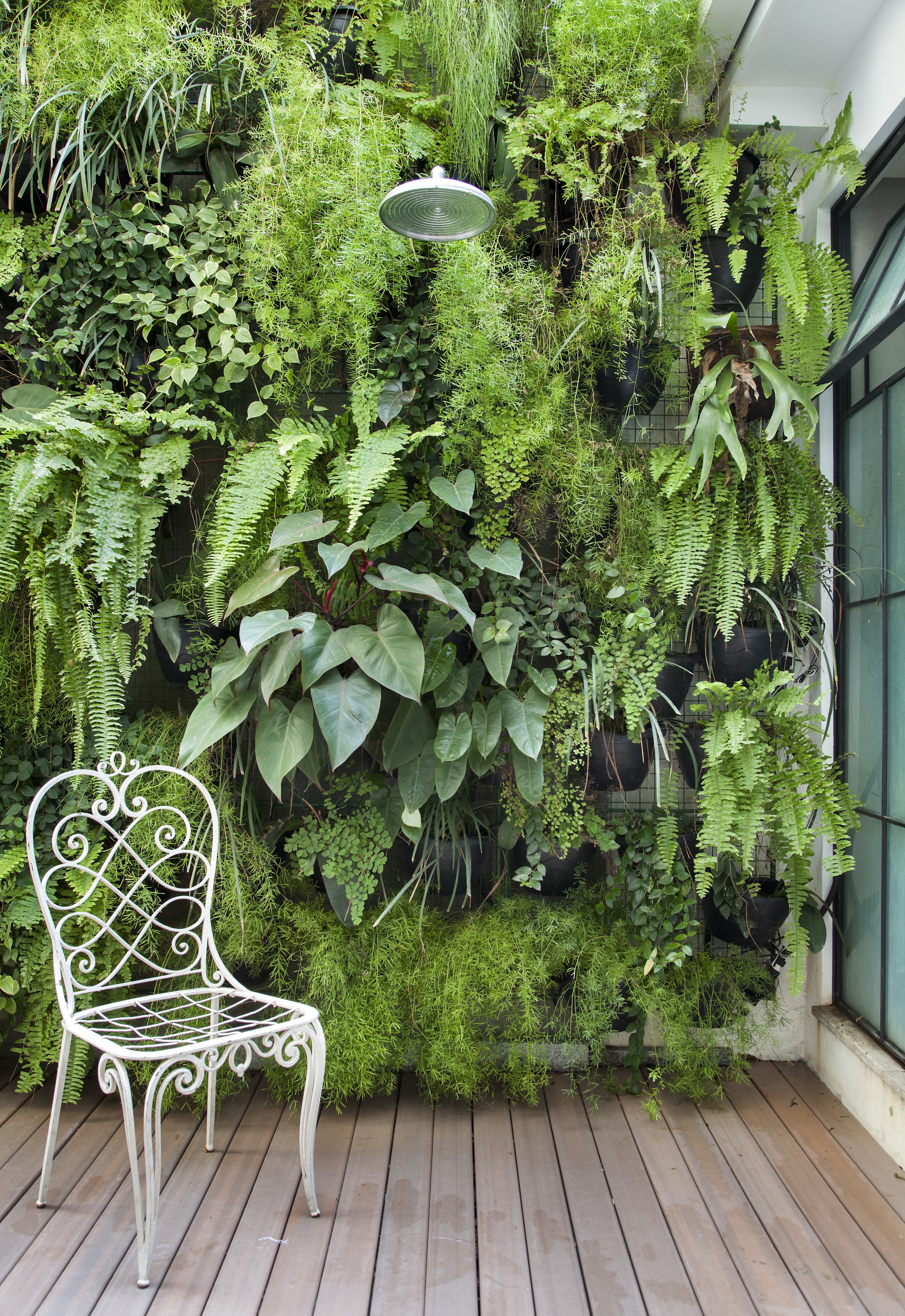
Air-Purifying Plants: Ferns, pothos, spider plants, peace lilies
Climbing & Trailing Plants: Ivy, philodendrons, pothos, jasmine
✔️ Best Plants for Large Vertical Gardens:
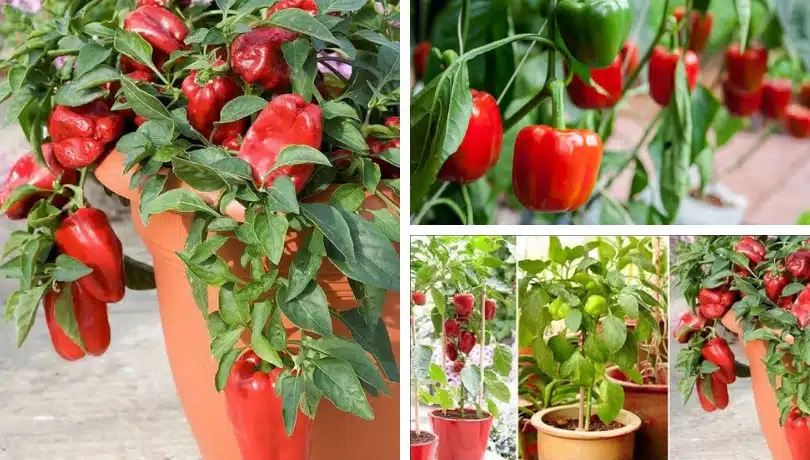
Vegetables: Peppers, bush beans, cucumbers, small squash varieties
Perennials: Lavender, hostas, succulents, ornamental grasses
Pro Tip: Consider companion planting (pairing plants that support each other) to boost plant growth and natural pest resistance.
5. Plant & Arrange Strategically
When planting in a vertical garden, arrange plants based on their needs:
- Sun-loving plants (tomatoes, basil, succulents) should be placed at the top where they get the most sunlight.
- Shade-tolerant plants (ferns, ivy, lettuce) should be planted at the bottom where they get less direct sun.
- Vining or cascading plants (pothos, strawberries, trailing petunias) should be placed in hanging pockets or at the edges of the garden.
Pro Tip: Leave enough space between plants to allow air circulation and prevent overcrowding.
6. Maintain Your Vertical Garden
Once your vertical garden is set up, follow these essential maintenance tips to keep it thriving year-round:
- Water regularly – Check moisture levels often, as vertical gardens dry out faster.
- Fertilize as needed – Use liquid organic fertilizer or compost tea every 2-4 weeks.
- Trim and prune – Remove dead leaves and trim overgrown plants.
- Check for pests – Aphids, mites, and whiteflies love warm, moist environments. Use neem oil or insecticidal soap if needed.
- Replenish soil or nutrients – Since nutrients drain quickly, refresh the soil every few months.
Pro Tip: Rotate crops seasonally—grow leafy greens in spring and flowers in summer for continuous beauty and productivity.
Why You Should Consider a Vertical Wall Garden
- Space-Saving: Ideal for small homes, apartments, and urban settings.
- Eco-Friendly: Reduces carbon footprint and improves air quality.
- Aesthetic Appeal: Creates a stunning green feature on walls, balconies, and patios.
- Improves Mental Health: Studies show plants reduce stress and boost happiness.
- Grows Fresh Food: Provides organic, homegrown herbs and veggies.
Vertical Wall Garden Ideas

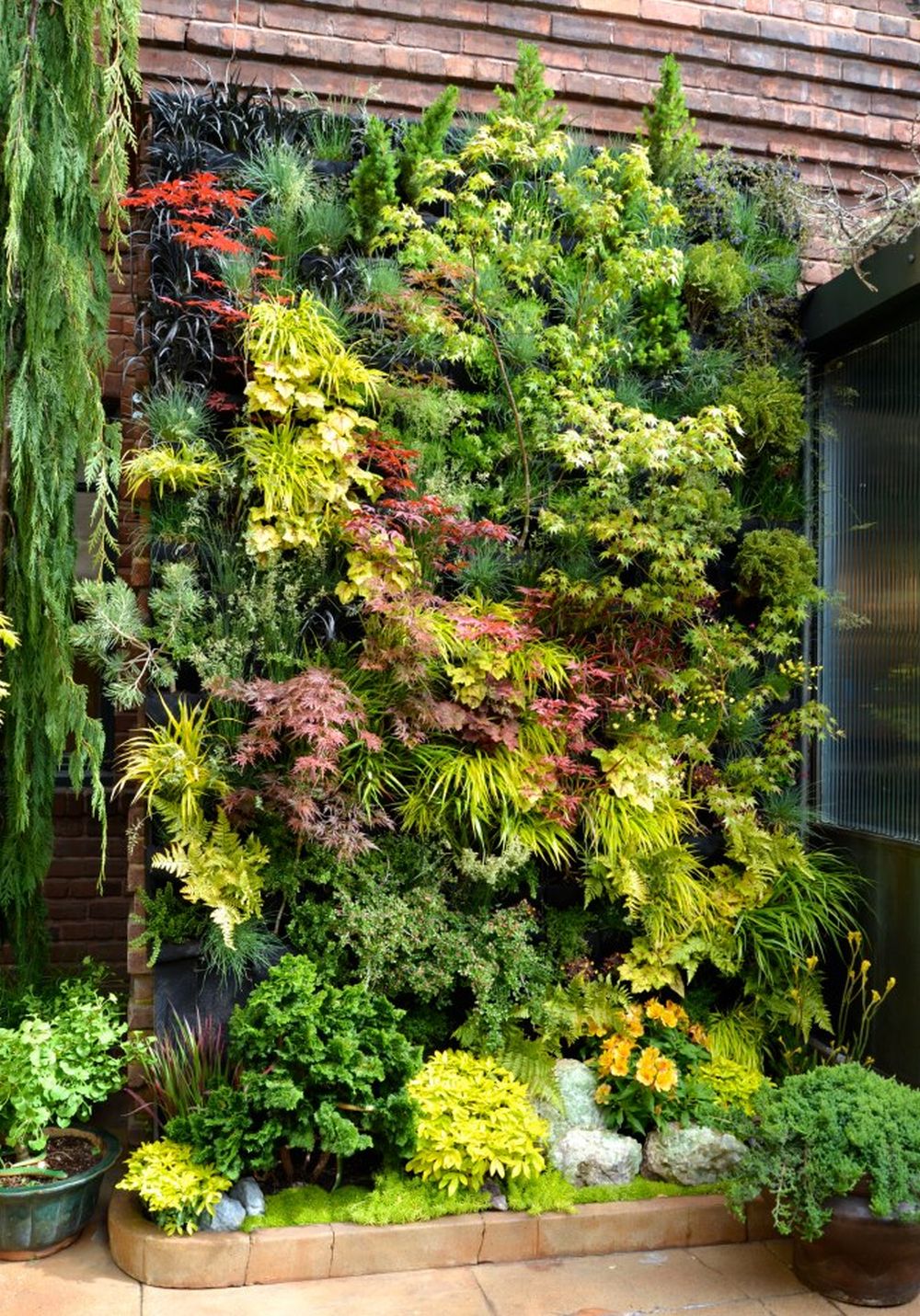


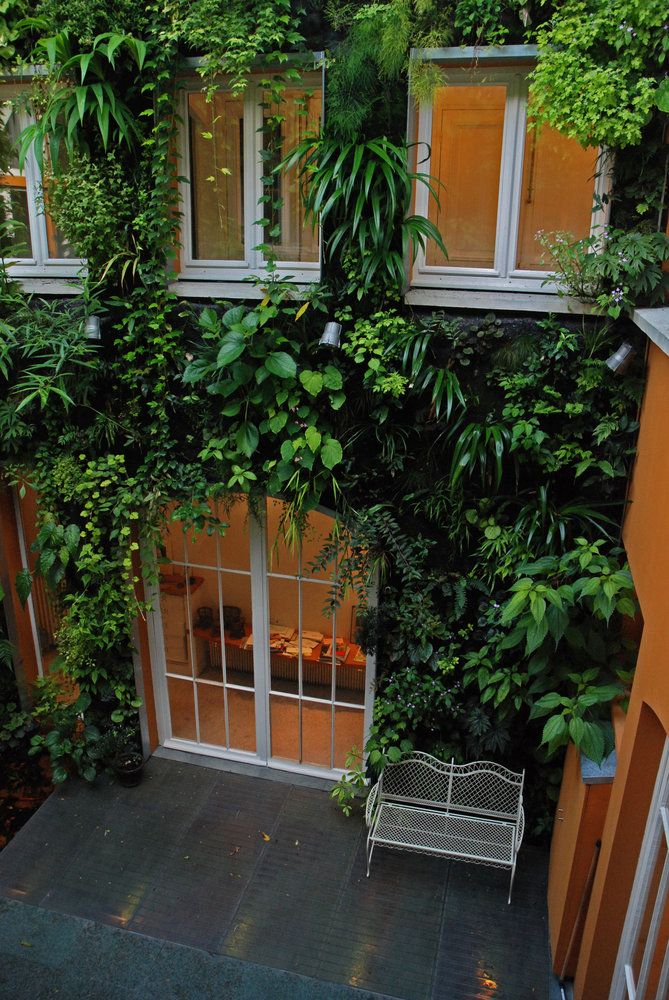
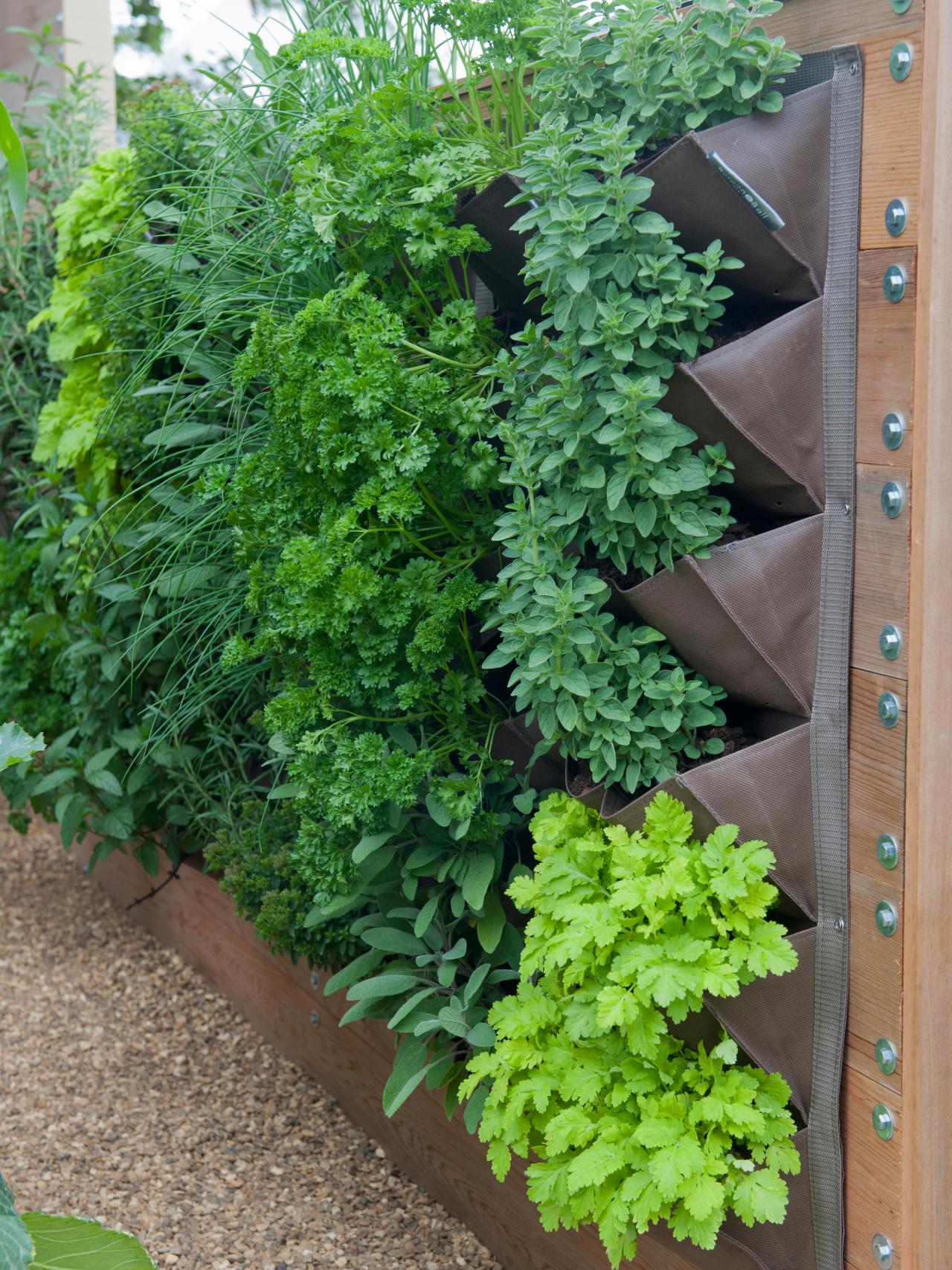
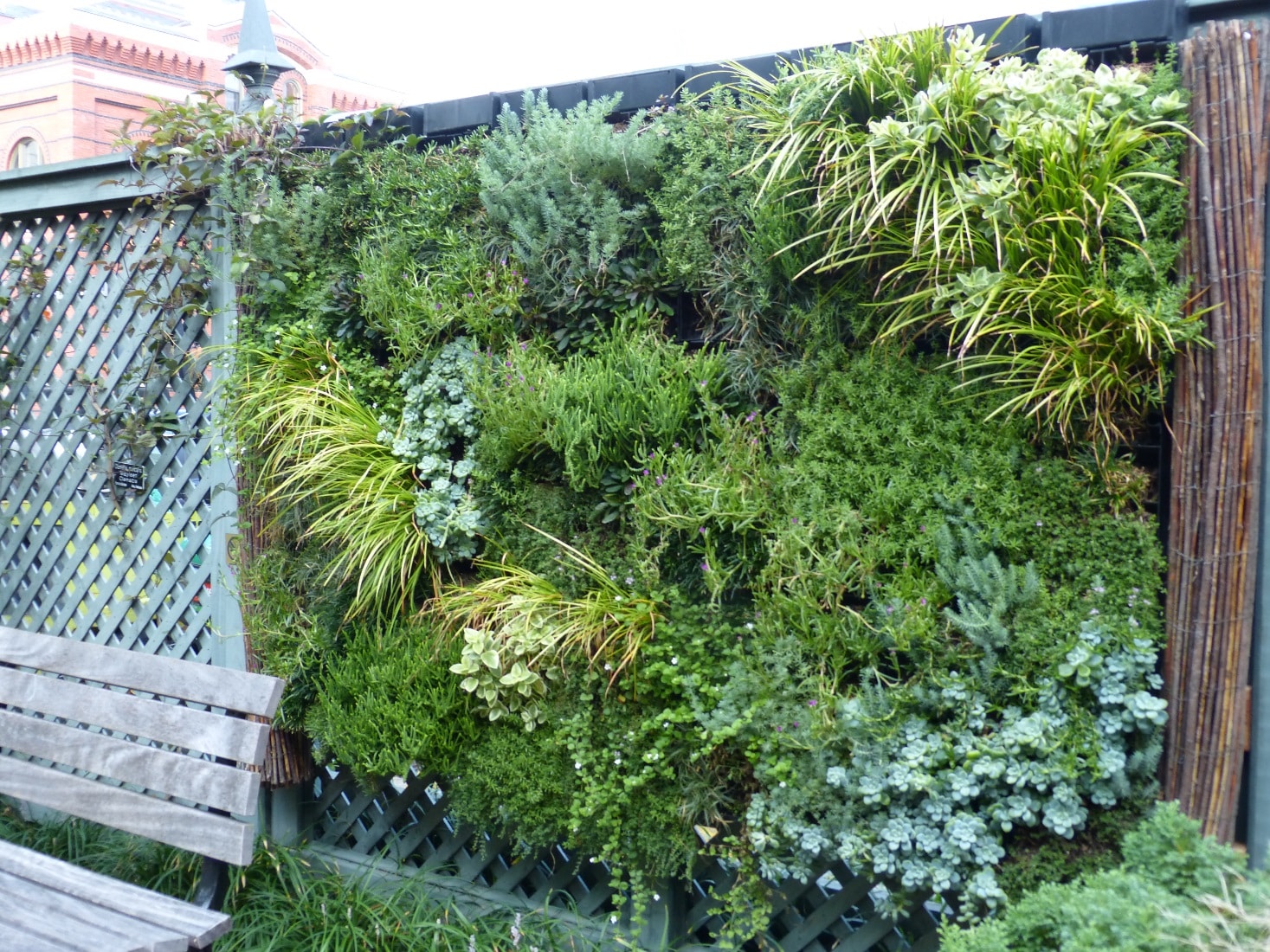
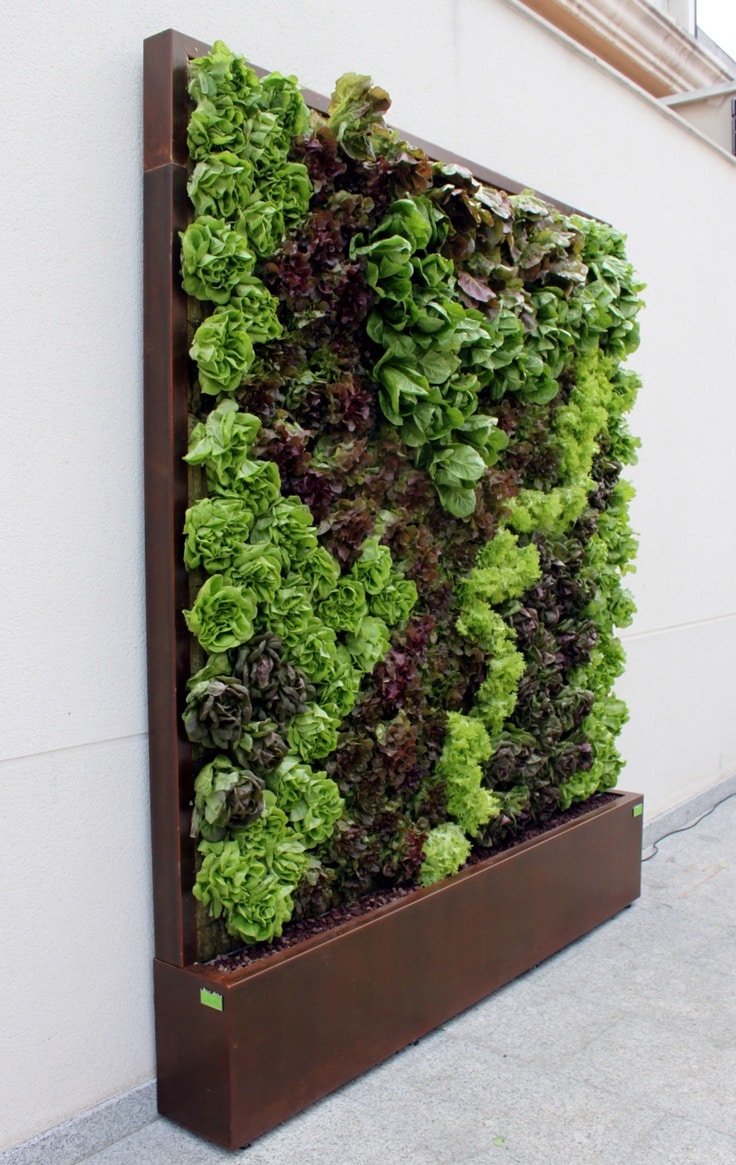
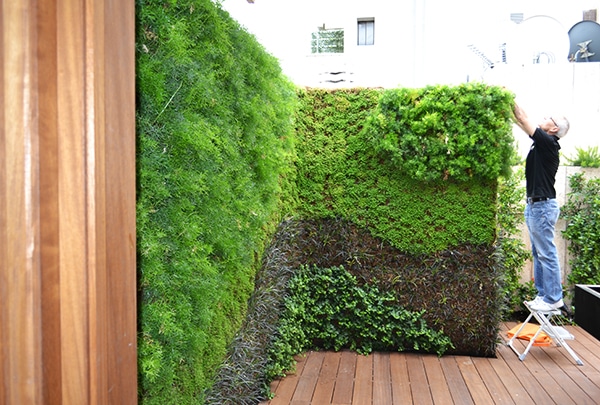
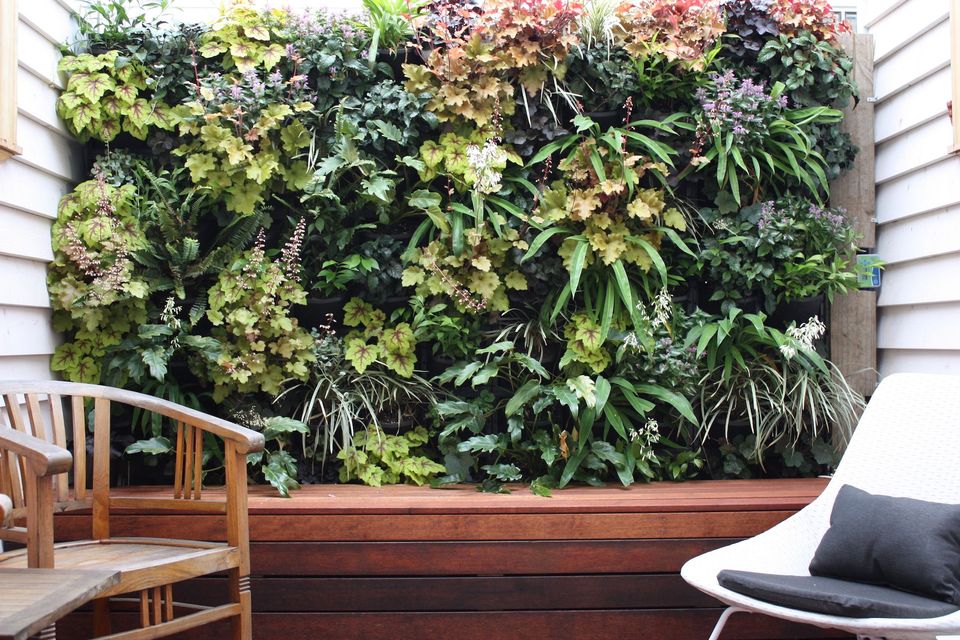
A vertical wall garden is a game-changer for gardeners who want to maximize space, grow fresh plants, and enhance their outdoor or indoor space.
Whether you’re growing decorative plants, fresh herbs, or leafy greens, a living green wall is a great way to bring nature into your home.