July may seem late in the season, but it can be the perfect time to start a second cycle of planting.
With optimal timing and smart varietal choices, you can still produce fresh, homegrown vegetables well into the fall – even early winter in some climates.
Here’s a comprehensive look at 20 vegetables you can plant in July that will thrive into the cooler months, plus expert tips to maximize yields and flavor.
1. Cabbage
Why plant it in July: Cabbage thrives in cool weather and develops into tight, robust heads as temperatures drop in early autumn.
How to grow:
- Choose fast-maturing varieties (70–90 days).
- Prepare soil rich in compost or aged manure.
- Space transplants 12–18 inches apart in full sun.
- Water deeply and evenly; cabbage dislikes drought stress.
Harvest: Heads will firm up as nighttime temperatures decline. Once compact and uniformly filled, cut at the base; outer leaves can be removed for compost.
2. Kale
Why it works: Kale actually becomes sweeter after a frost and remains productive into winter if protected.
How to grow:
- Sow seeds directly in mid-July or transplant seedlings.
- Use compost-enriched soil and mulch to conserve moisture.
- Partial shade helps during extreme summer heat.
Harvest: Begin with outer leaves, about 6–8 weeks after planting. Continue harvesting into late fall.
3. Broccoli
Why plant mid-season: Fall-grown broccoli develops tighter heads and is less prone to premature bolting than spring crops.
How to grow:
- Start with transplants for faster maturity.
- Space 18–24 inches apart in fertile, well-aerated soil.
- Keep soil consistently moist to encourage full head development.
Harvest: Cut primary heads when firm and compact. Side shoots may follow and extend your harvest window.
4. Spinach
Why July planting works: Fast-growing spinach can be protected from early heat with shade cloth and thrives in cool evenings.
How to grow:
- Use fast-maturing varieties (30–40 days to maturity).
- Plant in partial shade using rich, well-drained soil.
- Sow successively every two weeks for continuous harvests.
Harvest: Liveliness stems can be cut just above the soil, promoting regrowth for multiple picks.
5. Lettuce
Why it’s perfect for July: Leaf lettuces are ideal for succession planting and handle cooler autumn days well.
How to grow:
- Sow seeds or transplant seedlings every 10–14 days.
- Offer a mix of full and partial shade to prevent bolting.
- Water regularly to maintain tender texture.
Harvest: Pick outer leaves consistently or cut whole heads as needed. Replant savers help extend the season.
6. Radishes
Why they’re great now: Maturing in about three weeks, radishes are perfect for quick, crisp yields.
How to grow:
- Sow directly into well-prepared raised beds.
- Space sparingly for standard rounds or more densely for smaller varieties.
- Water consistently to avoid misshapen roots.
Harvest: Young radishes bring the best texture and flavor.
7. Carrots
Why late summer seeding works: Cooler autumn weather helps starch convert to sugar, improving sweetness.
How to grow:
- Choose hybrid or short-season types (60–80 days).
- Use deep, loose soil; raised beds or containers help.
- Mulch and water consistently to prevent cracking.
Harvest: Heads may stretch into late autumn; pull carrots once roots are fully sized.
8. Beets
Why plant in July: Dual-purpose harvest – eat both roots and greens. Beets sweeten as weather cools.
How to grow:
- Sow seeds directly with 2-inch spacing.
- Thin seedlings to around 3 inches apart once big enough to handle.
- Apply a balanced fertilizer mid-way through growth.
Harvest: Roots are ready at 1–3 inches; greens can be cut anytime older than 4 inches.
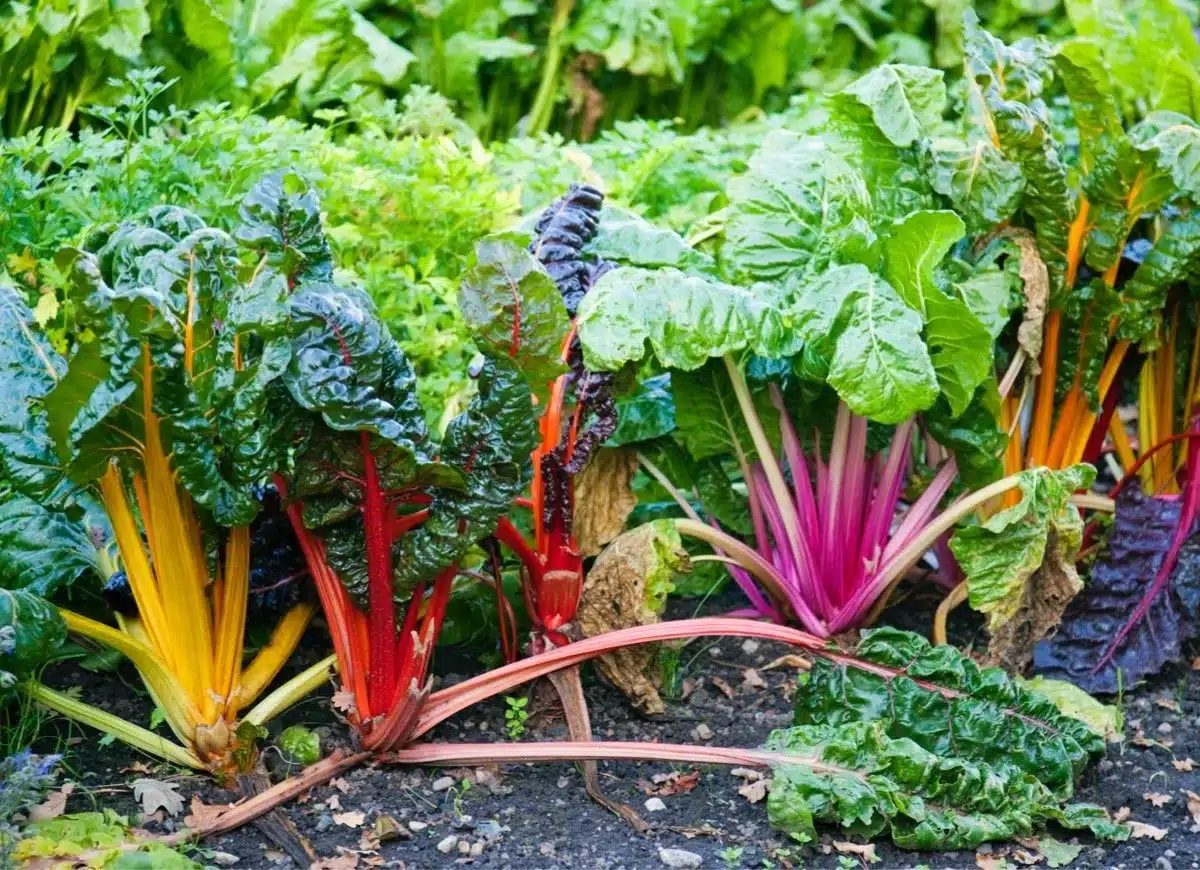
9. Swiss Chard
Why ideal for succession planting: Heat-tolerant and continuous; can be harvested well into frost.
How to grow:
- Sow in full sun to light shade.
- Add well-rotted compost before planting.
- Space 6–12 inches apart.
Harvest: Pick outer stalks as needed; plants regrow for extended harvests.
10. Kohlrabi
Why it works now: Rapid growth (50–60 days) makes kohlrabi a smart mid-season choice.
How to grow:
- Sow seeds or plant transplants; thin to 6–8 inches apart.
- Use fertile, well-draining soil.
- Water consistently to support thick stem development.
Harvest: Harvest bulbs when golf-ball to tennis-ball sized before they become woody.
11. Bush Beans
Why July works: Bush beans mature quickly and can still yield before frost.
How to grow:
- Choose heat-resistant varieties.
- Plant in nutrient-rich beds with full sun.
- Keep soil moderately moist to reduce stress.
Harvest: Pick pods when young and tender; regular harvesting encourages more pods.
12. Peas (Fall Varieties)
Why plant late season: Fall peas are sweeter and less exposed to spring pest pressures.
How to grow:
- Plant dwarf or snow peas by late July.
- Provide trellis or support.
- Water early in cooler mornings.
Harvest: Pods should be crisp and sweet. Harvest continuously for extended production.
13. Turnips
Why July friendly: Mature quickly, both roots and greens add early flavor.
How to grow:
- Sow directly and thin seedlings to 3–4 inches.
- Use loose, moisture-retentive soil.
- Mow greens early; roots will continue developing.
Harvest: Pick roots before they exceed 3 inches for peak texture; leaves can be used as greens.
14. Autumn Onions (Sets)
Why plant in July: Sets matured by late September offer good yields into fall or overwinter for spring harvest.
How to grow:
- Plant sets 1–2 inches deep and 3–5 inches apart.
- Enrich soil with compost and follow with a mid-season fertilizer.
Harvest: Leave in the ground until tops flop, then cure in shade.
15. Garlic (Fall Prep)
Why start now: Early planting gives garlic a better head start, increasing bulb size and health.
How to grow:
- Plant cloves 4–6 weeks before frost.
- Position bulb-side up, 2 inches deep.
- Mulch heavily to insulate through winter.
Harvest: Next July, stems will yellow indicating bulb readiness—onions plus garlic?!
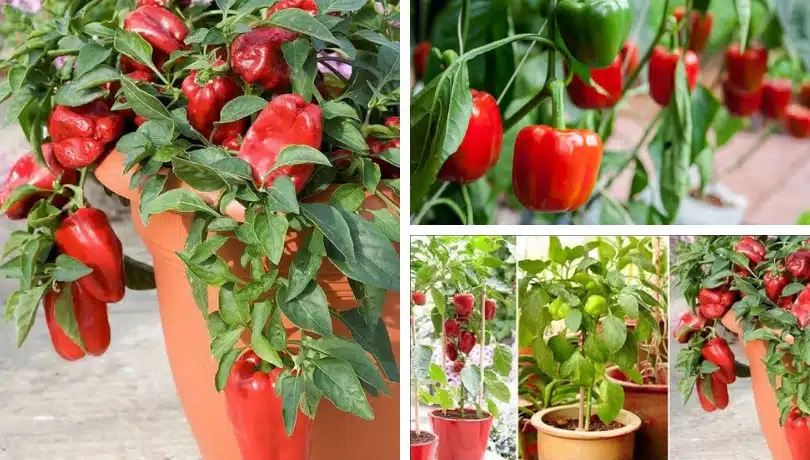
16. Fall Peppers (Transplants)
Why July transplant helps: Well-established plants in July produce pods later into fall, thanks to lingering heat.
How to grow:
- Transplant sturdy peppers into nutrient-rich soil.
- Water at the base to prevent fungal issues.
- Harvest early and regularly to promote continued fruiting.
Harvest: Pods will ripen just before frost – perfect for fresh cooking or drying.
17. Zucchini & Summer Squash
Why summer planting works: Fast growth and early harvest provide late-season zucchini.
How to grow:
- Sow bush varieties in July directly or transplant seedlings.
- Provide full sun and ample water.
- Harvest frequently to avoid oversize fruit.
Harvest: Pick when zucchini are 6–8 inches and squash 4–6 inches for best taste.
18. Cucumbers
Why plant late: They grow quickly but appreciate warmth – July sowing yields fresh pickles before fall.
How to grow:
- Choose bush cultivars for compact spaces.
- Provide trellis for air circulation.
- Monitor watering closely since cucumbers are thirsty.
Harvest: Pick small and firm, as seeds enlarge quickly later in the season.
19. Pak Choi (Bok Choy)
Why July-friendly: Fast-growing and frost-hardy, pak choi matures quickly in cooler weather.
How to grow:
- Sow every 15–20 days for continuous harvests.
- Use rich, moist soil.
- Monitor for caterpillars – they love brassicas.
Harvest: Cut when plants reach 6–10 inches tall; remove outer leaves and allow regrowth.
20. Portrait of Persistence: Succession Planting Mix
By staggering sowing dates of fast-maturing crops like spinach, lettuce, radishes, and pak choi, gardeners can maintain a constant supply of harvestable greens – not just one flash. Combine leafy greens, root crops, and brassicas across July and August for continuous shelf supplies.
Seasonal Strategy & Planting Tips
Succession Planting
Sow every couple of weeks to keep beds full and harvests sustained.
Heat vs. Cool Swap
Buy quick-growing summer types; once cooler weather hits, transition to fall-specific varieties for hardier results.
Soil Preparation
Amend beds with compost, aged manure, or balanced organic fertilizers. Rotate crops to reduce disease buildup.
Watering
Consistency is key. Use drip or soaker hoses to keep moisture at root level and mulch beds to retain it.
Pest Management
Monitor for cabbage worms, aphids, squash vine borers, and treat early. Use floating row covers until flowering.
Why July Planting Matters
- Extends your harvest into late fall and early winter
- Maximizes garden productivity with cooler weather crops
- Spreads work across seasons, reducing spring pressure
- Improves soil health via crop rotation and green manures
- Allows gardeners to enjoy fresh, homegrown produce almost year-round
Whether you’re a seasoned gardener or a novice, taking advantage of July’s planting window will diversify your harvest and deepen your connection to seasonal rhythms.
With smart variety choices, soil prep, and ongoing care, you’ll enjoy late-season bounty that celebrates growth beyond the summer solstice.