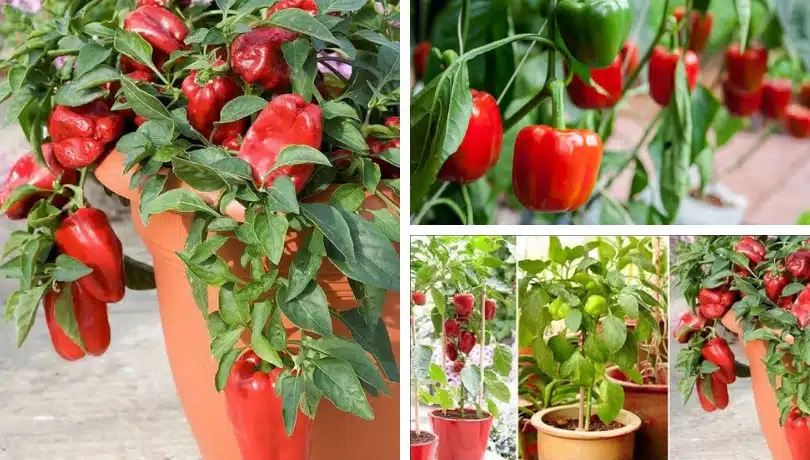
Bell peppers – also known as sweet peppers or capsicums – are among the most versatile and colorful vegetables you can grow at home.
Whether you want crunchy peppers for fresh salads, vibrant slices for stir-fries, or sweet chunks for snacking, growing your own ensures you’ll always have the freshest produce right at your fingertips.
Fortunately, bell peppers are relatively easy to grow once you understand their needs.
Why Grow Bell Peppers at Home?
Before diving into the how-to, let’s look at why bell peppers are an excellent choice for your garden:
- Nutritional Powerhouse: Bell peppers are rich in vitamins A and C, antioxidants, and fiber.
- Variety of Colors and Flavors: From green to red, yellow, orange, and even purple, bell peppers add visual appeal and sweetness to dishes.
- Cost-Effective: Homegrown peppers often taste better and cost less than store-bought options.
- Compact Growth Habit: Perfect for small gardens, containers, patios, or balconies.
Now, let’s get started!
Step 1: Choose the Right Bell Pepper Variety
There are dozens of bell pepper varieties, each with unique sizes, colors, and flavors. Choosing the right variety depends on your climate and how you plan to use the peppers.
Popular Bell Pepper Varieties
- California Wonder: Classic green bell pepper that turns red when fully ripe; great for stuffing.
- Purple Beauty: Deep purple peppers with a crisp texture.
- Orange Sun: Bright orange fruits with sweet flavor.
- Yellow Belle: Sweet, golden-yellow peppers.
- Red Knight: Fast-ripening red bell pepper.
If you’re a beginner, start with a tried-and-true variety like California Wonder. For colorful harvests, mix and match different colors for visual appeal.
Step 2: Start Seeds Indoors
Bell peppers are warm-season crops and take time to mature, so it’s best to start seeds indoors 8-10 weeks before your last expected frost date.
How to Start Bell Pepper Seeds
- Choose Seed Starting Mix: Use a lightweight, sterile mix for best germination.
- Fill Seed Trays: Fill trays or small pots with moistened mix.
- Plant Seeds: Sow seeds ¼ inch deep. Plant 2-3 seeds per cell or pot.
- Warmth is Key: Keep soil at 75–85°F (24–29°C) for optimal germination.
- Light Requirement: Once seeds sprout (7–14 days), move seedlings under grow lights or near a sunny window for 12–16 hours a day.
- Thin Seedlings: Once seedlings develop two sets of true leaves, thin to one plant per cell.
Step 3: Prepare for Transplanting
Bell peppers are sensitive to cold. Wait until nighttime temperatures stay above 55°F (13°C) before transplanting outdoors.
Harden Off Seedlings
Gradually acclimate your seedlings to outdoor conditions:
- Day 1–2: Place outdoors in partial shade for 2–3 hours.
- Day 3–5: Increase time outdoors and exposure to sunlight.
- Day 6–7: Leave outside for most of the day.
Step 4: Choose the Right Planting Location
Bell peppers thrive in full sun, requiring at least 6-8 hours of direct sunlight daily.
Soil Requirements
- pH: 6.0–6.8
- Soil Type: Well-drained, loamy, fertile soil.
- Amendments: Work in compost or aged manure before planting to enrich the soil.
Avoid planting peppers where you’ve grown tomatoes, eggplants, or potatoes in the past two years to prevent disease carryover.
Step 5: Transplant Seedlings Outdoors
When your seedlings are 6–8 inches tall and nighttime temperatures are consistently warm, it’s time to transplant.
How to Transplant Bell Peppers
- Spacing: Plant peppers 18–24 inches apart in rows spaced 24–36 inches apart.
- Planting Depth: Plant at the same depth they grew in their pots.
- Water Thoroughly: Water after transplanting to settle soil around roots.
- Mulch: Add mulch to retain moisture and suppress weeds.
Step 6: Watering Bell Peppers
Bell peppers need consistent moisture for healthy growth and fruit production. Irregular watering can cause blossom end rot or misshapen fruits.
Watering Guidelines
- Water deeply once or twice a week, depending on rainfall.
- Aim for about 1–1.5 inches of water per week.
- Water early in the day to allow leaves to dry and reduce disease risk.
Step 7: Fertilizing Bell Peppers
Bell peppers are moderate feeders.
Fertilizing Tips
Pre-Planting: Mix a balanced fertilizer into the soil before transplanting.
During Growth:
- Once peppers start flowering, side-dress with a low-nitrogen fertilizer to encourage fruiting.
- Too much nitrogen results in lush foliage but fewer peppers.
Organic options include compost tea, fish emulsion, or kelp meal.
Step 8: Staking and Supporting Peppers
As pepper plants grow, they can become top-heavy with fruit. Providing support helps prevent breakage.
Support Options
- Use small stakes beside each plant.
- Cage plants like tomatoes to keep them upright.
Step 9: Watch for Pests and Diseases
Bell peppers are relatively hardy but can fall victim to several common pests and diseases.
Common Pests
- Aphids: Small, green insects on leaves.
- Cutworms: Chew through stems at soil level.
- Spider Mites: Tiny mites causing stippling on leaves.
Solution: Use insecticidal soap or neem oil. Encourage beneficial insects like ladybugs.
Common Diseases
- Blossom End Rot: Caused by calcium deficiency from inconsistent watering.
- Bacterial Leaf Spot: Yellow or brown spots on leaves.
- Verticillium Wilt: Causes wilting and stunted growth.
Solution: Practice crop rotation, water regularly, and remove affected plants promptly.
Step 10: Harvesting Bell Peppers
Bell peppers can be harvested at various stages of ripeness, depending on your taste preferences.
When to Harvest
- Green Peppers: Pick when fruits are firm, about 3–4 inches in size.
- Colored Peppers: Leave peppers on the plant until they turn red, yellow, orange, or purple for maximum sweetness.
Harvesting Tips
- Use scissors or pruning shears to cut peppers from the plant.
- Avoid pulling peppers off, as this can damage branches.
Storing Bell Peppers
After harvesting, handle your peppers properly to keep them fresh.
- Store peppers in the refrigerator in a plastic bag.
- Green peppers last up to 2 weeks; colored peppers slightly less.
- For longer storage, freeze chopped peppers.
Growing Bell Peppers in Containers
Short on space? Bell peppers thrive in pots on patios or balconies.
Container Growing Tips
- Choose a container at least 12–14 inches wide and deep.
- Use high-quality potting mix.
- Ensure excellent drainage.
- Fertilize every 2–3 weeks with a balanced liquid fertilizer.
Troubleshooting Common Bell Pepper Problems
Even experienced gardeners run into challenges. Here’s how to solve the most frequent issues:
Problem: Flowers Drop Without Fruit
Possible Causes:
- Temperatures below 60°F or above 85°F
- Over-fertilization with nitrogen
Solution: Wait for stable temperatures and adjust fertilizing.
Problem: Peppers Have Soft, Sunken Spots
Possible Cause: Blossom end rot.
Solution: Maintain consistent soil moisture and add calcium if needed.
Problem: Leaves Curling or Discolored
Possible Causes:
- Aphid infestation
- Nutrient imbalance
Solution: Check for pests and amend soil as needed.
Fun Ways to Use Your Homegrown Peppers
Once you’ve harvested your bell peppers, the culinary possibilities are endless!
- Slice into salads for crunch and sweetness.
- Add to stir-fries, pasta dishes, or fajitas.
- Grill peppers for smoky flavor.
- Stuff with rice, meat, or quinoa for a hearty dish.
- Freeze or pickle for off-season use.
There’s something uniquely satisfying about growing your own vegetables. From the first seedlings to the harvest basket filled with colorful peppers, the journey offers both delicious rewards and gardening joy.
By following these steps, you’ll be well on your way to producing healthy, sweet, and abundant bell peppers right in your own backyard or balcony.