Gardening is a beautiful and rewarding experience, but not all plants are harmless. Some of the most common ornamental plants in home gardens contain toxic compounds that can pose serious risks to humans, pets, and even wildlife.
While many toxic plants only cause mild irritation, others can be fatal if ingested in large quantities. Before planting anything new, it’s important to know which plants may pose a threat to keep your family and pets safe.
Let’s explore 10 poisonous garden plants that might already be in your backyard!
Why You Should Be Cautious About Poisonous Plants
✔️ Toxic plants can harm humans, pets, and wildlife – Some plants can cause skin irritation, digestive issues, or even fatal poisoning.
✔️ They can look harmless – Many toxic plants are beautiful and commonly grown in gardens without people realizing their risks.
✔️ Proper knowledge can prevent accidents – Knowing which plants are toxic allows you to handle, prune, and dispose of them safely.
1. Apple (Yes, Apple!)
While apples are a delicious and nutritious fruit, did you know their seeds contain cyanide?
✔️ Apple seeds contain amygdalin, which releases cyanide when chewed.
✔️ You would need to eat a large quantity of crushed seeds for serious poisoning, but even small amounts can be dangerous for pets.
✔️ Apricots, cherries, peaches, and plums also contain similar toxic seeds.
Safe handling: Always remove seeds from apples before feeding them to pets or small children.
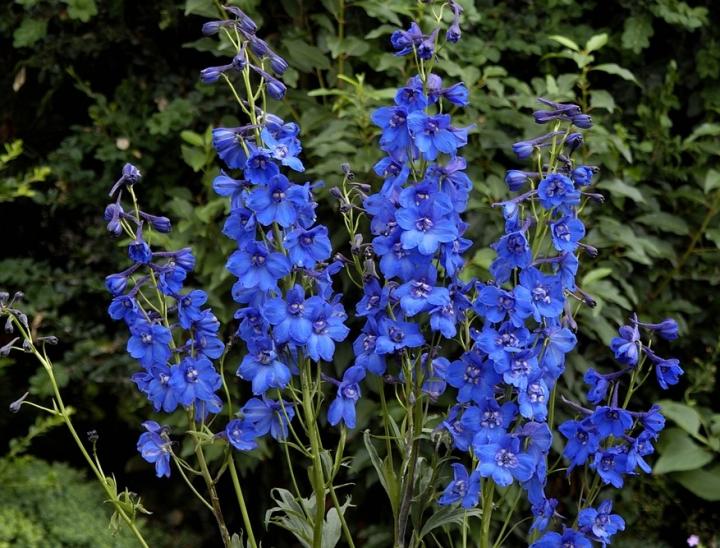
2. Delphinium (Larkspur)
This stunning blue-flowered perennial is highly toxic to both humans and animals.
✔️ All parts of the plant contain toxic alkaloids that affect the nervous system.
✔️ Ingestion can cause nausea, paralysis, and even heart failure.
✔️ Livestock (especially cattle) are highly vulnerable to delphinium poisoning.
Safe handling: Always wear gloves when handling or pruning delphinium. Avoid planting where pets or children can access it.
3. Rhododendron
A favorite garden shrub, Rhododendrons contain grayanotoxins, which can cause serious health issues if ingested.
✔️ Eating even a few leaves or flowers can cause vomiting, low blood pressure, and seizures.
✔️ Honey made from rhododendron nectar is known as “mad honey” and can be toxic to humans.
✔️ All parts of the plant are poisonous, including the leaves, stems, and flowers.
Safe handling: Keep pets and children away, especially during the blooming season when curiosity is highest.
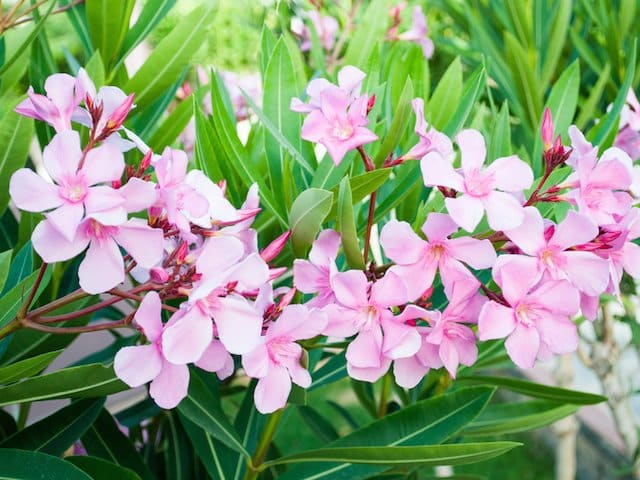
4. Oleander
Oleander is one of the most poisonous garden plants—even small doses can be fatal.
✔️ Every part of the plant is highly toxic, containing cardiac glycosides that can cause irregular heartbeats, vomiting, and death.
✔️ Even smoke from burning oleander branches is poisonous.
✔️ Animals and humans are equally at risk, making it especially dangerous for households with pets or livestock.
Safe handling: If you grow oleander, wear gloves when pruning and dispose of clippings properly.
5. Jasmine
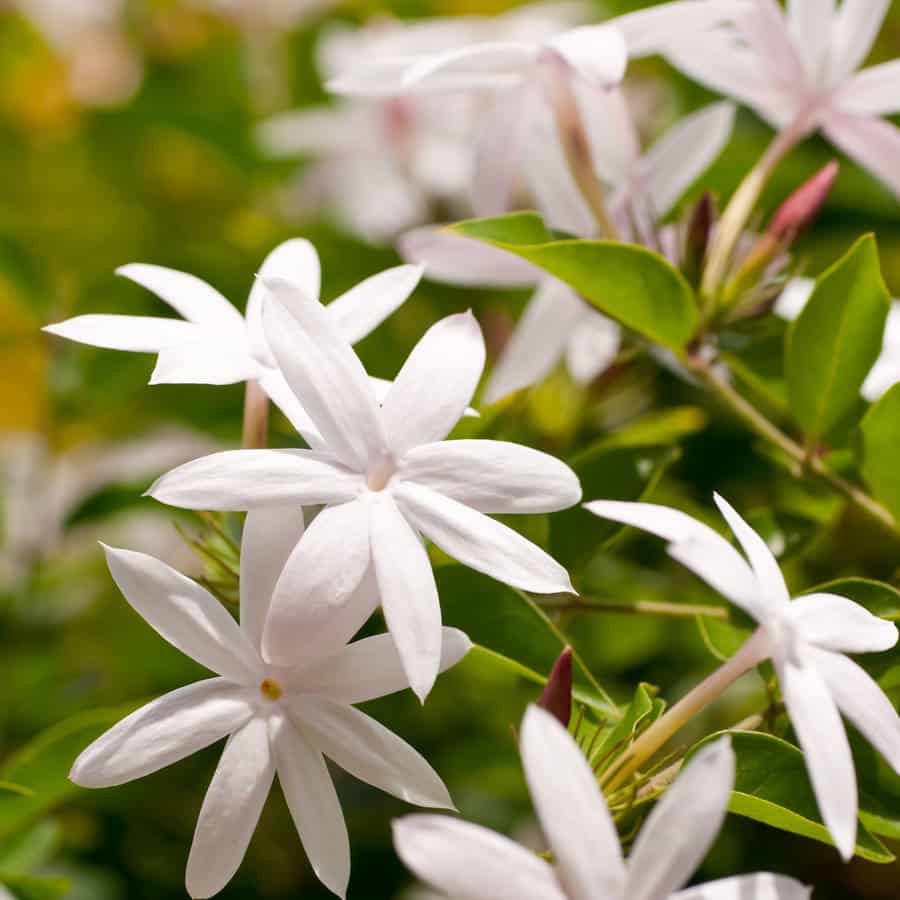
While jasmine is known for its sweet fragrance, certain species are highly toxic.
✔️ The fruits and berries of some jasmine species can cause poisoning.
✔️ Symptoms include nausea, confusion, and severe stomach pain.
✔️ Children and pets are at the highest risk because of their curiosity.
Safe handling: Stick to non-toxic varieties like Star Jasmine (Trachelospermum jasminoides), which is safe for pets.
6. Hydrangea
A garden favorite, hydrangeas contain cyanogenic glycosides, making them toxic if ingested.
✔️ Symptoms of hydrangea poisoning include nausea, diarrhea, vomiting, and difficulty breathing.
✔️ Toxicity varies by species, so it’s best to keep all hydrangeas out of reach of pets.
✔️ Hydrangea poisoning is more common in pets than in humans.
Safe handling: Avoid planting hydrangeas in areas where pets roam freely.
7. Rhubarb
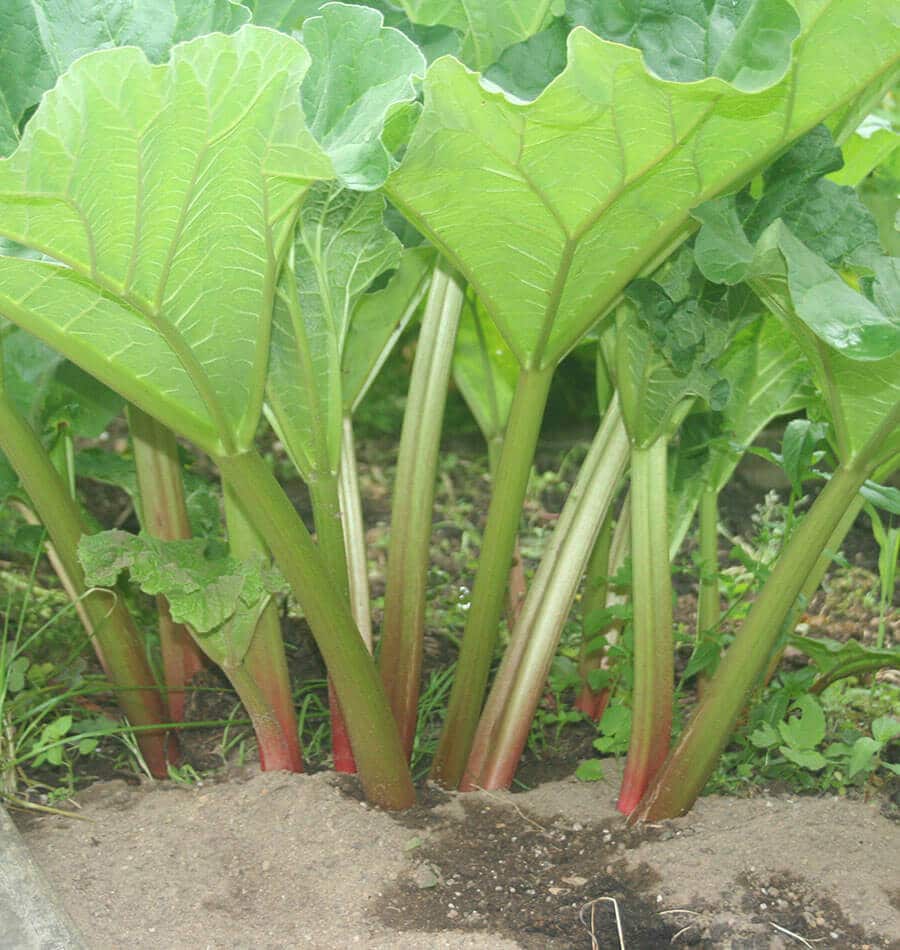
Rhubarb stalks are edible, but its leaves contain oxalic acid, which is toxic to both humans and animals.
✔️ Ingesting rhubarb leaves can lead to kidney failure and respiratory issues.
✔️ Even small amounts can cause digestive distress.
✔️ Cooking does not remove the toxins, so never use rhubarb leaves in recipes.
Safe handling: Always discard rhubarb leaves immediately after harvesting.
8. English Laurel
This popular hedge plant contains cyanogenic compounds, making its seeds and leaves highly toxic.
✔️ Consuming English Laurel can cause breathing problems, dizziness, and convulsions.
✔️ Some people experience skin irritation from handling the leaves.
✔️ Birds and pets are especially vulnerable to laurel poisoning.
Safe handling: Always wear gloves when pruning and keep berries away from children and pets.
9. Mistletoe
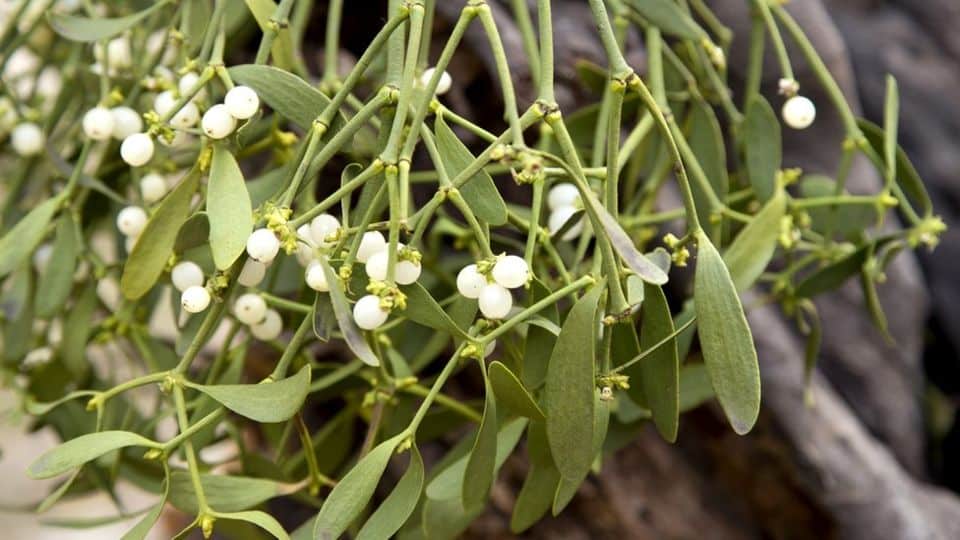
While mistletoe is a symbol of holiday cheer, it is also highly poisonous.
✔️ Mistletoe berries contain phoratoxin, which can cause vomiting, low heart rate, and blurred vision.
✔️ Ingesting even a few berries can be fatal to small children and pets.
✔️ Mistletoe poisoning is more common around Christmas, so keep it out of reach during the holidays.
Safe handling: If using mistletoe for decorations, secure it well and dispose of berries safely.
10. Poinsettia
A popular Christmas plant, poinsettia has a milky sap that can irritate the skin and stomach.
✔️ Symptoms include nausea, vomiting, and mild dermatitis.
✔️ While not as deadly as other plants on this list, poinsettia sap can cause allergic reactions.
✔️ Pets may suffer from upset stomachs if they chew on poinsettia leaves.
Safe handling: Keep poinsettias out of reach of children and pets and wear gloves when handling the plant.

Many beautiful plants come with hidden dangers, but with proper knowledge and precautions, you can still enjoy them while keeping your family and pets safe.