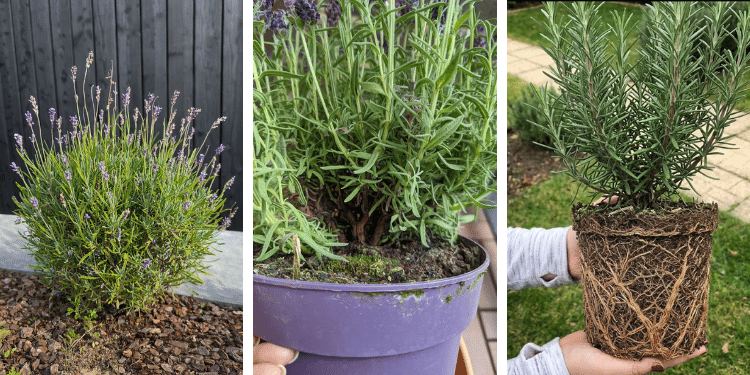
Lavender is one of the most loved plants in the garden for good reason. Its silver-green foliage, calming fragrance, and beautiful purple blooms make it a favorite in borders, herb gardens, pollinator spaces, and containers alike.
But while lavender is often considered low-maintenance, June is actually one of the most important months for keeping it healthy, compact, and blooming beautifully through summer.
As temperatures rise and the plant enters active flowering season, lavender begins focusing its energy on producing stems, flowers, oils, and fresh growth. The way you care for it during June can strongly affect:
- Bloom production
- Plant shape
- Root health
- Fragrance intensity
- Long-term survival
Many gardeners accidentally damage lavender by overwatering, overfeeding, or pruning incorrectly during early summer.
Understanding what lavender truly needs in June helps the plant thrive naturally instead of becoming woody, floppy, or stressed later in the season.
Here are seven important things to do with lavender in June for stronger growth, healthier blooms, and a more beautiful plant throughout summer.
1. Give Lavender More Sunlight – Not More Water
One of the biggest mistakes gardeners make with lavender in June is assuming the plant needs constant watering during warm weather.
Lavender actually prefers:
- Dry conditions
- Full sun
- Excellent drainage
- Lean soil
because it evolved in Mediterranean climates with rocky, dry environments.
In June, sunlight becomes especially important because strong sun helps:
- Intensify fragrance
- Support flower production
- Prevent weak floppy growth
- Keep foliage dense and compact
Lavender performs best with:
- At least 6–8 hours of direct sunlight daily
Too much shade often leads to:
- Sparse blooms
- Leggy stems
- Increased fungal risk
- Weak growth
Why Lavender Hates Wet Soil
Lavender roots need airflow.
Overly wet soil may:
- Suffocate roots
- Encourage fungal problems
- Cause yellowing foliage
- Trigger root rot
In many cases, overwatering kills lavender faster than underwatering.
Established plants often tolerate dry periods surprisingly well once roots mature properly.
2. Prune Lightly After Early Blooms Begin Fading
June is an important month for light shaping and maintenance pruning.
As the first flower spikes begin fading, lightly trimming lavender helps:
- Encourage fuller growth
- Prevent legginess
- Maintain shape
- Promote additional blooms in some varieties
However, lavender should never be cut deeply into old woody stems.
Unlike many shrubs, lavender struggles to regenerate from old wood that no longer contains green growth.
How to Prune Lavender Correctly
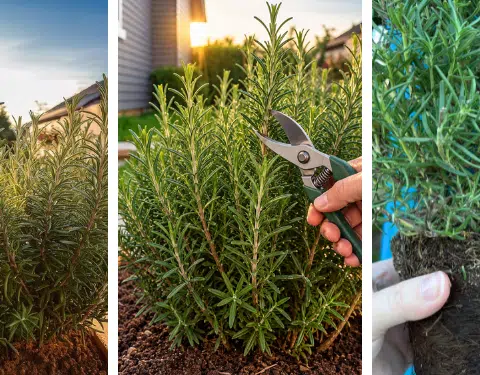
Use clean scissors or pruning snips and trim:
- Faded flower stems
- Small amounts of fresh green growth
Avoid cutting into:
- Thick brown woody sections
The goal is gentle shaping rather than aggressive pruning during summer.
Light pruning keeps the plant compact and prevents it from splitting open later.
Why Lavender Becomes Woody
As lavender ages, the lower stems naturally become harder and woodier.
If left unpruned for years, the plant may:
- Become sparse in the center
- Split apart
- Produce fewer flowers
- Look leggy and uneven
Regular light shaping helps maintain denser younger growth over time.
3. Improve Airflow Around the Plant
Good airflow is extremely important for lavender in June because warmer temperatures and increased humidity may encourage fungal problems.
Lavender prefers dry moving air around its stems and foliage.
Poor airflow may contribute to:
- Mildew
- Fungal disease
- Stem rot
- Yellowing leaves
This is especially common in humid climates or crowded flower beds.
How to Improve Air Circulation
To improve airflow:
- Remove weeds around the base
- Avoid overcrowding nearby plants
- Space lavender properly
- Avoid heavy mulch touching stems
Lavender grows healthiest when air can move freely around the entire plant.
4. Avoid Heavy Fertilizing
Many gardeners mistakenly assume more fertilizer means more flowers.
With lavender, excessive fertilizer often creates the opposite effect.
Too much nitrogen may cause:
- Weak floppy stems
- Excess leafy growth
- Reduced fragrance
- Fewer flowers
Lavender naturally prefers poorer soil conditions.
Why Lean Soil Produces Better Lavender
In Mediterranean environments, lavender evolved in:
- Rocky soil
- Sandy ground
- Low fertility conditions
When soil becomes overly rich, the plant often prioritizes soft leafy growth instead of concentrated oils and blooms.
This is one reason lavender grown in lean soil often smells stronger.
5. Harvest Lavender at the Right Time
June is often the beginning of harvest season for many lavender varieties.
Harvesting at the correct stage helps preserve:
- Fragrance
- Essential oils
- Color
- Drying quality
The best time to harvest is usually when:
- About one-third to one-half of the flower buds have opened
At this stage, the oils are often strongest.
How to Harvest Lavender Properly
Cut stems:
- In the morning after dew dries
- Before intense afternoon heat
Gather stems into small bundles for drying.
Lavender can be used for:
- Sachets
- Herbal crafts
- Dried arrangements
- Oils
- Bath products
- Culinary use in some varieties
Why Morning Harvesting Matters
Essential oils are often most concentrated during the morning hours after moisture evaporates.
Harvesting too late during extreme heat may slightly reduce aromatic intensity.
6. Watch for Humidity Stress
Lavender thrives in dry climates but may struggle in areas with heavy summer humidity.
High humidity may cause:
- Browning foliage
- Root problems
- Reduced blooming
- Fungal growth
This becomes especially important during rainy June periods.
How to Help Lavender During Humid Weather
In humid regions:
- Water only when necessary
- Avoid overhead watering
- Improve drainage
- Use gravel instead of heavy mulch
- Plant lavender slightly elevated if possible
Raised beds and slopes often work extremely well for lavender because they improve drainage naturally.
7. Deadhead Spent Blooms to Extend Flowering
Removing faded flower spikes encourages many lavender varieties to continue producing blooms longer into summer.
Deadheading also helps:
- Keep the plant tidy
- Prevent excessive seed production
- Maintain compact growth
This small maintenance step often improves the plant’s appearance significantly.
Why Deadheading Helps Flower Production
When flowers begin forming seeds, the plant gradually shifts energy away from blooming.
Removing spent blooms redirects some energy back into:
- Foliage growth
- New buds
- Root development
This may encourage additional flowering in reblooming lavender varieties.
The Best Soil for Lavender in Summer
Lavender grows best in:
- Sandy soil
- Gravelly soil
- Well-draining soil
- Slightly alkaline conditions
Heavy clay soil is often problematic because it traps moisture around roots.
If necessary, gardeners often improve drainage by adding:
- Sand
- Gravel
- Small stones
around planting areas.
Why Lavender Loves Heat
Unlike many plants that struggle in intense summer conditions, lavender often becomes more fragrant during warm sunny weather.
Heat helps stimulate production of aromatic oils responsible for lavender’s famous scent.
This is why Mediterranean climates produce some of the world’s most fragrant lavender crops.
Common June Lavender Mistakes
The biggest mistakes gardeners make in June include:
- Overwatering
- Overfertilizing
- Planting in shade
- Cutting into old wood
- Using heavy mulch around stems
Lavender usually performs best with a “less is more” approach.
June is one of the most important months for keeping lavender healthy, fragrant, and productive through summer.