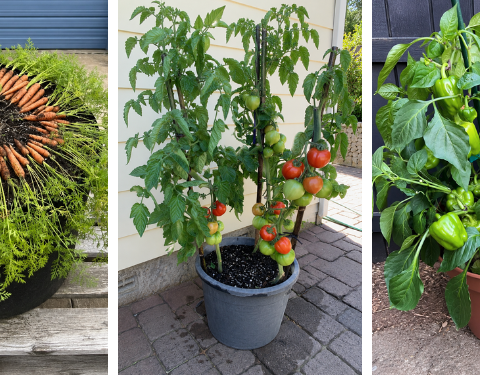
Tomato plants, especially indeterminate varieties, grow vigorously throughout the season.
Without proper care, their growth can get out of control, leading to poor airflow, increased disease risk, and smaller fruits.
Pruning and staking are essential practices that help direct the plant’s energy toward producing larger, healthier fruits while keeping the plant upright and well-supported.
This guide will walk you through when and how to prune tomatoes and the best staking techniques to maximize yields and maintain plant health.
When to Prune Tomatoes
Pruning your tomatoes at the right time is critical to avoid stress and maximize growth. Follow these timing recommendations to ensure healthy, productive plants.
- Begin Pruning Early – Start pruning when the plant is 10-12 inches tall. This ensures early control of unnecessary shoots (suckers) and promotes healthy growth from the beginning.
- Continue Pruning Regularly Throughout the Season – For indeterminate tomato plants, continue removing suckers and trimming lower leaves throughout the growing season to maintain airflow and encourage fruit development.
- Stop Pruning Before the End of the Season – About 4-6 weeks before the first frost, stop pruning and top the plant by cutting off the growing tip. This forces the plant to focus on ripening the remaining fruits rather than producing new flowers and foliage.
How to Prune Tomatoes in 6 Simple Steps
Pruning tomatoes helps direct the plant’s energy toward fruit production rather than excessive foliage growth.
Here’s a step-by-step guide to pruning for maximum yield.
Step 1: Identify the Suckers
Suckers are small shoots that develop between the main stem and a branch at the leaf axil. If left unchecked, these suckers will grow into new branches, creating a bushier plant that diverts energy away from fruit production.
- How to prune suckers: Pinch or cut off the suckers at their base with pruners.
Step 2: Remove Lower Leaves
As the plant grows, remove the leaves closest to the ground. These leaves are prone to diseases such as blight since they come into contact with soil and moisture.
- How to do it: Use sharp pruning shears to cut off leaves below the first flower cluster.
Step 3: Prune to One or Two Main Stems
Keeping a tomato plant with one or two main stems ensures better airflow and reduces the chance of disease.
- Single stem: Best if you want fewer but larger fruits and easier plant management.
- Two stems: Leave one main stem and the first healthy sucker below the first flower cluster to form a second stem.
Step 4: Remove Yellowing or Damaged Leaves
Throughout the growing season, monitor the plant for yellowing, damaged, or diseased leaves. These leaves drain the plant’s energy and may spread infections.
- How to do it: Cut off affected leaves as soon as you spot them.
Step 5: Top the Plant Late in the Season
Near the end of the growing season, top the plant by cutting off the main growing tip. This encourages the plant to stop producing new flowers and focus on ripening existing fruits.
Step 6: Clean Up After Pruning
Always discard pruned leaves and stems to prevent pests and diseases from spreading in your garden.
How to Stake Tomatoes for Maximum Yield and Plant Health
Staking tomatoes keeps the plants upright, improves airflow, and prevents fruits from touching the ground, reducing the risk of rot and pests. Here are the most effective staking methods.
1. Single Stake Method (Best for Determinate Tomatoes)
This method works well for determinate (bush) tomatoes, which grow to a fixed size.
How to Do It:
- Drive a 4-6 foot wooden or metal stake into the ground about 3-4 inches away from the plant.
- As the plant grows, tie the main stem to the stake every 10-12 inches using soft ties or garden twine. Make sure the ties are loose enough to avoid damaging the stem.
2. Cage Method (Great for Both Determinate and Indeterminate Tomatoes)
Tomato cages provide good support, especially for larger varieties with heavy fruits.
How to Do It:
- Place a cylindrical metal cage around the plant when it’s still small.
- Guide the plant to grow inside the cage, using the structure for support.
- As the plant grows, prune away excess foliage to prevent overcrowding inside the cage.
3. Florida Weave Method (Ideal for Rows of Plants)
The Florida weave is perfect for those growing tomatoes in long rows. It supports multiple plants with minimal effort.
How to Do It:
- Drive stakes between every two plants in the row.
- Use twine to weave between the plants, creating a figure-eight pattern to hold the stems upright.
- Repeat the weaving every 8-10 inches as the plants grow.
4. Trellis System (For Vertical Growing)
A trellis system is ideal for indeterminate tomatoes, allowing the plant to grow vertically along a wall or structure.
How to Do It:
- Set up a trellis made of wire or string, anchored securely.
- Train the plant’s main stem to grow vertically by gently tying it to the trellis.
- Remove suckers regularly to keep the plant manageable.
Benefits of Staking Tomato Plants
- Prevents Rot: Keeps fruits off the ground, reducing the risk of rot and pest damage.
- Improves Airflow: Staking prevents overcrowding, reducing the chance of fungal diseases like blight.
- Easier Harvesting: Upright plants make it easier to spot and pick ripe tomatoes.
- Supports Fruit Production: By keeping the plant upright, staking prevents branches from breaking under the weight of heavy fruits.
Tips for Successful Pruning and Staking
- Prune in the Morning: Pruning early in the day gives the plant time to heal before evening.
- Avoid Pruning When Wet: Moist conditions can introduce fungal infections.
- Use Soft Ties: Use fabric strips or garden ties to avoid cutting into the plant stem.
- Water at the Base: Watering at the base of the plant keeps leaves dry and reduces disease risk.
- Fertilize Regularly: Use a balanced fertilizer after pruning to encourage new growth and fruit development.
Common Mistakes to Avoid
- Over-Pruning: Cutting off too much foliage can lead to sunscald, which damages fruits.
- Neglecting Staking: Unstaked tomato plants are prone to disease and can break under the weight of fruits.
- Leaving Suckers Unchecked: Allowing too many suckers to grow leads to a crowded plant with smaller fruits.
Proper pruning and staking are essential practices for maximizing the health and yield of your tomato plants.