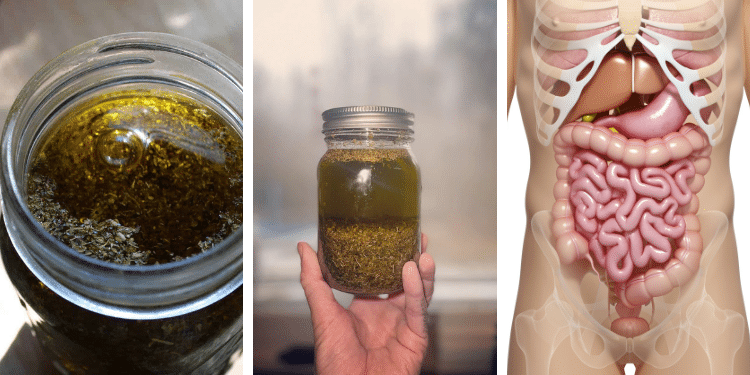
For centuries, certain medicinal plants have earned powerful nicknames because of their traditional reputation for supporting the body during times of illness and imbalance.
One plant often referred to in natural wellness circles as the “bacteria killer” is oregano – particularly wild oregano and oregano oil.
Known for its strong aroma and concentrated natural compounds, oregano has long been used in traditional herbal practices to support:
- Digestive health
- Immune function
- Respiratory wellness
- Gut balance
- General microbial defense
Modern research has also drawn attention to oregano because it naturally contains compounds such as:
- Carvacrol
- Thymol
- Rosmarinic acid
These substances are being studied for their antimicrobial and antioxidant properties.
Although oregano is not a replacement for medical treatment, many people continue using it as part of natural wellness routines aimed at supporting the gut, digestion, and overall health.
Here’s why oregano has gained such a strong reputation – and how people commonly use it.
Why Oregano Has Such a Powerful Reputation
Oregano belongs to the mint family and grows naturally in Mediterranean climates.
The plant produces aromatic oils that help protect it in nature against:
- Fungi
- Bacteria
- Environmental stress
These protective compounds are concentrated in the leaves and essential oils.
One of the most important compounds is carvacrol, which researchers continue studying for its potential antimicrobial activity.
This is one reason oregano oil became especially popular in natural wellness communities.
Oregano and Traditional Gut Wellness Practices
Traditionally, oregano has often been used to support digestion and gut comfort.
People historically consumed oregano as:
- Herbal tea
- Infused oil
- Culinary herb
- Concentrated oregano oil
The herb has commonly been associated with helping support:
- Digestive balance
- Occasional bloating
- Gut comfort
- Digestive stimulation
Its strong aromatic compounds may stimulate digestive activity and support overall gastrointestinal function in some individuals.
Why Gut Health Affects the Entire Body
The digestive system influences far more than digestion alone.
The gut is closely connected to:
- Immune activity
- Nutrient absorption
- Mood regulation
- Inflammatory pathways
- Energy levels
This is one reason gut-supportive foods and herbs have gained so much attention in recent years.
The Compounds That Make Oregano Unique
Oregano contains several active plant compounds, including:
- Carvacrol
- Thymol
- Terpenes
- Flavonoids
- Rosmarinic acid
These compounds are responsible for:
- The plant’s intense aroma
- Its spicy flavor
- Its biological activity
Researchers are especially interested in carvacrol because laboratory studies suggest it may influence microbial activity under certain conditions.
Why Oregano Oil Is So Strong
Oregano essential oil is far more concentrated than the fresh herb itself.
Only small amounts are typically used because the oil is extremely potent.
This is important because undiluted oregano oil may irritate:
- Skin
- Mouth tissues
- Digestive lining
Proper dilution is essential.
How People Use Oregano for Gut Wellness
Many people use oregano in gentler forms such as:
- Oregano tea
- Fresh oregano leaves
- Dried oregano seasoning
- Diluted oregano oil supplements
Some people consume oregano tea after meals because they feel it supports digestive comfort.
Others use culinary oregano regularly in Mediterranean-style diets rich in herbs and plant compounds.
Oregano and Antioxidants
Oregano is also rich in antioxidants.
Antioxidants help protect cells from oxidative stress caused by unstable molecules called free radicals.
Oxidative stress is associated with:
- Aging
- Cellular damage
- Inflammatory processes
Herbs often contain surprisingly concentrated antioxidant compounds compared to their size.
Why the Liver Depends on Antioxidant Support
The liver constantly processes:
- Waste products
- Nutrients
- Environmental compounds
- Metabolic byproducts
Because of this, it experiences significant oxidative activity.
Nutrient-rich foods and antioxidant-containing plants may help support overall cellular health as part of a balanced lifestyle.
How Oregano Is Traditionally Used for the Liver
In traditional herbal systems, bitter and aromatic herbs were often associated with supporting:
- Digestion
- Bile flow
- Liver function
- Fat digestion
Although scientific evidence remains limited regarding direct liver “detox” claims, oregano’s antioxidant content continues attracting research interest.
It is important to understand that no herb “cleanses” or “detoxifies” the liver in a magical way.
The liver already performs detoxification naturally every day.
Why Mediterranean Diets Include So Many Herbs
Mediterranean diets are naturally rich in:
- Oregano
- Rosemary
- Thyme
- Basil
- Garlic
These herbs contribute:
- Flavor
- Antioxidants
- Aromatic plant compounds
without requiring excessive salt or processed additives.
Long-term dietary patterns often matter more than isolated ingredients.
Oregano Tea: One of the Simplest Traditional Uses
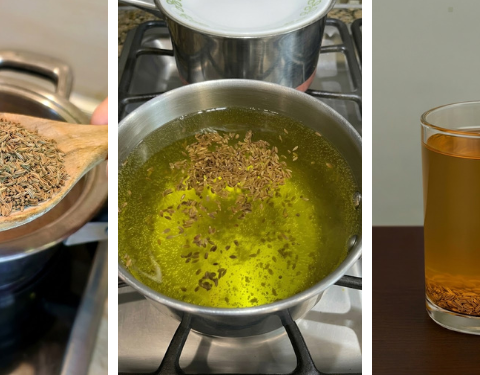
One common traditional preparation is oregano tea.
Simple Oregano Tea Recipe
Ingredients:
- 1 teaspoon dried oregano leaves
- 1 cup hot water
Steep for:
- 5–10 minutes
Some people add:
- Lemon
- Honey
- Ginger
for flavor.
The tea has a warming, earthy, slightly spicy taste.
Culinary Oregano May Be Gentler Than Oregano Oil
Many people benefit simply from using more herbs in cooking.
Adding oregano regularly to meals may help increase intake of:
- Antioxidants
- Plant compounds
- Flavor without excess sodium
Fresh and dried oregano are much milder than concentrated essential oil products.
Important Safety Considerations
Although oregano is widely used as a culinary herb, concentrated oregano oil requires caution.
Large amounts may cause:
- Digestive irritation
- Burning sensation
- Stomach discomfort
- Mouth irritation
Essential oils should never be consumed casually or in excessive amounts.
People who are:
- Pregnant
- Taking medications
- Managing medical conditions
should consult healthcare professionals before using concentrated herbal supplements regularly.
Why “Natural” Does Not Always Mean Harmless
One of the biggest misconceptions in wellness culture is assuming all natural remedies are automatically safe.
Highly concentrated plant oils may interact with:
- Medications
- Digestion
- Sensitive tissues
Moderation and proper use matter greatly.
The Importance of Supporting the Gut Naturally
Many habits influence gut health more strongly than any single herb alone.
Supportive lifestyle habits include:
- Eating more fiber-rich foods
- Staying hydrated
- Managing stress
- Sleeping well
- Eating diverse plant foods
- Reducing ultra-processed foods
Herbs like oregano may complement healthy habits rather than replace them.
Oregano earned its reputation as a powerful traditional herb because of its strong aromatic compounds and long history of use in digestive and wellness practices.