Bay leaves (Laurus nobilis) are a familiar staple in kitchens worldwide, prized for adding subtle, woody depth to slow-cooked stews, stocks, and soups.
However, the true potential of this ancient Mediterranean leaf extends far beyond culinary seasoning.
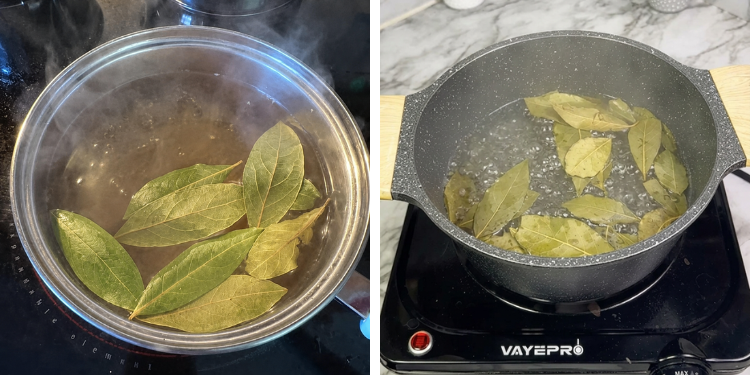
When you boil 5 bay leaves in water, you unlock volatile essential oils, plant tannins, and active polyphenols that transform simple water into a fragrant, health-supporting herbal infusion.
Used in traditional wellness remedies for centuries, boiled bay leaves offer surprising daily benefits for digestion, stress relief, skin care, and household atmosphere.
Here is a look at the science behind boiling bay leaves, the top health benefits of this simple daily ritual, and how to prepare it at home.
The Chemistry: What Happens When You Boil Bay Leaves?
Bay leaves are packed with complex aromatic compounds and natural antioxidants. When dried or fresh leaves remain unheated, these beneficial compounds remain trapped inside the leaf structure.
Boiling breaks down the cell walls of the leaf, releasing volatile organic molecules into the steam and water through a process known as steam distillation.
The key bio-active compounds extracted by boiling include:
-
1,8-Cineole (Eucalyptol): A potent natural compound known for clearing respiratory passages and reducing inflammation.
-
Linalool: A fragrant floral terpene found in lavender and bay leaves that lowers systemic stress and promotes relaxation.
-
Parthenolide & Caffeic Acid: Powerful antioxidants that protect cells against oxidative damage and support gut health.
-
Tannins: Natural astringent compounds that help soothe skin irritation and tighten tissues.
5 Surprising Benefits of Boiling 5 Bay Leaves
1. Soothes Bloating and Promotes Digestive Comfort
Drinking a mild tea made from boiled bay leaves is a traditional digestive aid. The active enzymes extracted during boiling help stimulate the secretion of digestive juices and bile.
If you frequently experience post-meal bloating, gas, or sluggish digestion, drinking bay leaf tea after dinner helps relax the smooth muscles of the gastrointestinal tract, reducing cramping and gas buildup.
2. Natural Respiratory Clearance and Sinus Relief
As bay leaves boil, the steam carries micro-droplets of eucalyptol. Inhaling the steam coming off the pot acts as a natural decongestant, breaking up stubborn mucus in the nasal passages and chest.
This makes boiling bay leaves an excellent, drug-free home remedy during cold season or when dealing with seasonal allergies.
3. Reduces Stress and Anxiety
The aromatic volatile compound linalool vaporizes quickly into the surrounding air when bay leaves simmer. Inhaling linalool vapors signals the central nervous system to reduce heart rate and lower circulating cortisol levels.
Simmering 5 bay leaves in an open pot fills your home with a grounding, woodsy fragrance that creates an instant sense of calm after a busy day.
4. Natural Hair Rinse for Scalp Health and Dandruff
Once allowed to cool, boiled bay leaf water serves as a brilliant clarifying hair rinse. The natural tannins and anti-fungal properties of bay leaves help combat Malassezia (the yeast responsible for dandruff), while balancing scalp oil production.
Using it as a final hair rinse after shampooing strengthens hair follicles, leaves a natural shine, and calms itchy scalps.
5. Chemical-Free Insect Deterrent and Home Deodorizer
Stale household odors – especially lingering kitchen smells from fried food or fish – disappear when bay leaf steam fills the room.
Furthermore, insects like mosquitoes, fruit flies, and pantry moths dislike the intense camphoraceous scent of eucalyptol, driving them away naturally without harmful sprays.
Bay Leaf Infusion vs. Traditional Herbal Teas
| Benefit / Characteristic | Boiled Bay Leaf Decoction | Chamomile Tea | Peppermint Tea |
| Primary Active Compound | Eucalyptol & Linalool | Apigenin | Menthol |
| Digestive Support | High (Relieves heavy bloating) | Moderate (Calms nervous stomach) | High (Relieves IBS symptoms) |
| Respiratory Clearance | Excellent (Clear sinus steam) | Low | High |
| Topical Scalp Benefit | High (Combats dandruff & oil) | Low | Moderate |
| Aromatic Air Purification | Strong & long-lasting | Mild | Moderate |
How to Boil Bay Leaves Correctly (Step-by-Step)
To preserve the volatile oils without evaporating them all into thin air, follow this simple preparation technique:
Safety & Culinary Note: While the liquid infusion extracted from bay leaves is completely safe and beneficial to consume, do not eat whole bay leaves. Whole bay leaves remain rigid and sharp even after cooking, posing a potential choking hazard or digestive tract scratch if swallowed. Always strain them out before drinking or serving.
Boiling 5 bay leaves is one of the easiest, most affordable self-care and home-freshening habits you can adopt.
Whether you drink the warm tea to settle your stomach, use the steam to clear your sinuses, or use the cooled liquid to restore your scalp, this humble kitchen leaf delivers extraordinary results.