Indoor air quality can significantly impact our health and well-being. Many common household items and activities can introduce toxins and negative energy into the air, leading to various health issues.
Fortunately, certain plants are natural air purifiers that can help clear toxins and improve the atmosphere in your home.
These “oxygen bombs” not only enhance the aesthetic appeal of your living spaces but also create a healthier environment.
Here are some of the best plants to place around your home to clear toxins and negative energy from the air.
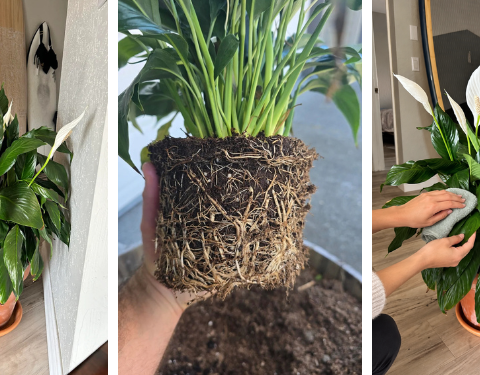
1. Peace Lily (Spathiphyllum)
Why It Works
Peace lilies are known for their air-purifying capabilities. They can remove toxins such as benzene, formaldehyde, trichloroethylene, and ammonia from the air.
Benefits:
- Air Purification: Effective in removing common indoor pollutants.
- Low Maintenance: Easy to care for and thrives in low light conditions.
Placement Tips:
- Place peace lilies in your living room or bedroom for a clean, fresh atmosphere.
- Avoid direct sunlight and keep the soil consistently moist.
2. Snake Plant (Sansevieria trifasciata)
Why It Works
Also known as mother-in-law’s tongue, the snake plant is incredibly efficient at converting CO2 into oxygen and removing toxins like formaldehyde, benzene, and xylene.
Benefits:
- Air Purification: Produces oxygen even at night, making it ideal for bedrooms.
- Hardy Nature: Tolerant of low light and infrequent watering.
Placement Tips:
- Place snake plants in bedrooms or offices to improve air quality and boost oxygen levels.
- Allow the soil to dry out between waterings.
3. Spider Plant (Chlorophytum comosum)
Why It Works
Spider plants are excellent at removing pollutants such as formaldehyde and xylene from the air. They are also known to boost oxygen levels.
Benefits:
- Air Purification: Removes toxins and improves air quality.
- Easy to Grow: Tolerates a variety of conditions and propagates easily.
Placement Tips:
- Place spider plants in kitchens or bathrooms where air quality may be compromised.
- Keep in bright, indirect light and water regularly.
4. Aloe Vera (Aloe barbadensis miller)
Why It Works
Aloe vera is known for its healing properties and ability to clear the air of formaldehyde and benzene, common byproducts of household cleaners.
Benefits:
- Air Purification: Removes toxins and produces oxygen.
- Medicinal Uses: Gel inside the leaves can be used to treat burns and skin conditions.
Placement Tips:
- Place aloe vera in sunny spots like windowsills in kitchens or living rooms.
- Water thoroughly but infrequently, allowing the soil to dry out between waterings.
5. Boston Fern (Nephrolepis exaltata)
Why It Works
Boston ferns are natural humidifiers and effective at removing formaldehyde, xylene, and toluene from the air.
Benefits:
- Air Purification: Excellent at filtering toxins.
- Humidity Control: Adds moisture to the air, beneficial in dry climates.
Placement Tips:
- Place Boston ferns in humid areas like bathrooms or kitchens.
- Keep the soil moist and mist the leaves regularly.
6. Areca Palm (Dypsis lutescens)
Why It Works
Areca palms are effective at removing toxins like formaldehyde, xylene, and toluene from the air. They also act as natural humidifiers.
Benefits:
- Air Purification: Removes multiple indoor pollutants.
- Aesthetic Appeal: Adds a tropical feel to your home decor.
Placement Tips:
- Place areca palms in living rooms or offices for improved air quality.
- Provide bright, indirect light and keep the soil evenly moist.
7. Rubber Plant (Ficus elastica)
Why It Works
Rubber plants are great for removing toxins such as formaldehyde from the air and are known to increase overall air quality.
Benefits:
- Air Purification: Efficient at filtering toxins.
- Low Maintenance: Tolerates low light and occasional watering.
Placement Tips:
- Place rubber plants in living rooms or offices.
- Ensure good drainage and allow the soil to dry out between waterings.
8. English Ivy (Hedera helix)
Why It Works
English ivy is known for its ability to remove airborne mold and formaldehyde, making it ideal for improving indoor air quality.
Benefits:
- Air Purification: Filters out mold and other toxins.
- Versatility: Can be grown in hanging baskets or as a ground cover.
Placement Tips:
- Place English ivy in bathrooms or bedrooms to reduce mold and improve air quality.
- Provide bright, indirect light and keep the soil moist.
Incorporating these “oxygen bomb” plants into your home can significantly improve indoor air quality by removing toxins and increasing oxygen levels.
Each of these plants offers unique benefits and is relatively easy to care for, making them ideal for creating a healthier and more pleasant living environment.
Place these plants in strategic locations around your home to enjoy cleaner air and a fresher atmosphere.