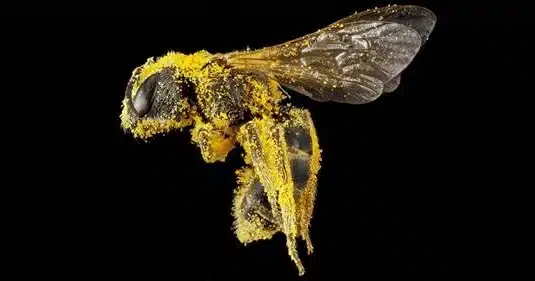
In recent years, scientists and environmental organizations around the world have sounded the alarm: the global bee population is in crisis, and the implications are more serious than most people realize.
In fact, the Earthwatch Institute, a respected conservation organization, has declared bees as the most important living beings on the planet—a title that comes with both scientific weight and urgent concern.
This declaration highlights the irreplaceable role bees play in ecosystems, agriculture, and global food security, and how their rapid decline could set off a domino effect with far-reaching consequences.
In this article, we’ll explore why bees are so essential to life on Earth, what’s causing their alarming decline, and what you can do to help.
Why Are Bees the Most Important Living Beings on the Planet?
Bees may be small, but they are mighty contributors to environmental balance and human survival.
Here’s why:
1. Bees Are the World’s Leading Pollinators
Bees are responsible for pollinating over 75% of the world’s flowering plants, including approximately 70% of the crops that feed 90% of the human population.
Without bees, many fruits, vegetables, nuts, and seeds would disappear or become dramatically more expensive and scarce.
Among the crops that depend heavily on bee pollination are:
- Apples
- Almonds
- Blueberries
- Cherries
- Cucumbers
- Pumpkins
- Coffee
- Avocados
Bees are also essential for pollinating wild plants, helping forests, grasslands, and other ecosystems regenerate and thrive.
2. Bees Help Maintain Biodiversity
By pollinating a wide variety of plants, bees help support the natural balance of flora and fauna in virtually every terrestrial ecosystem.
Many wild plants depend on bees for reproduction, and those plants, in turn, provide food and shelter for birds, insects, and other wildlife.
Without bees, the delicate balance of biodiversity begins to unravel, leading to weakened ecosystems that are more vulnerable to climate change, disease, and collapse.
3. Bees Support the Global Economy
Bees aren’t just crucial for food and ecosystems—they’re a major player in the global economy.
According to the Food and Agriculture Organization (FAO) of the United Nations, the global economic value of pollination is estimated at $235 billion to $577 billion annually.
This includes:
- Commercial crop production
- Seed production
- Honey and beeswax industries
- Jobs in agriculture and food processing
Losing bees would have a ripple effect on food supply chains, pricing, and global hunger.
What’s Causing Bee Populations to Decline?
Despite their importance, bees are in serious danger. According to multiple international studies, the global bee population has been shrinking at an alarming rate.
In some regions, up to 90% of the bee population has vanished.
The primary causes of bee decline include:
1. Pesticides (Especially Neonicotinoids)
Widely used in modern agriculture, neonicotinoids are a class of insecticides that attack the central nervous system of insects—including bees.
These chemicals can impair bees’ ability to forage, navigate, and reproduce, often leading to death or colony collapse.
2. Habitat Loss
Urbanization, intensive farming, deforestation, and monocultures have reduced the amount of natural forage and nesting sites for bees.
Without access to a diverse range of plants, bees suffer from malnutrition and weakened immune systems.
3. Climate Change
Shifts in temperature and rainfall patterns disrupt bees’ foraging habits and flowering schedules.
Extreme weather events—such as droughts and floods—can destroy hives and flowering plants bees depend on.
4. Parasites and Diseases
Bees are vulnerable to a range of parasites and pathogens, such as the Varroa destructor mite, Nosema fungus, and viruses.
These pests can weaken or wipe out entire colonies, particularly when bees are already stressed by pesticides or poor nutrition.
5. Pollution
Air and environmental pollution can affect bees’ olfactory senses, making it harder for them to locate flowers and communicate with hive mates.
What Would Happen If Bees Disappeared?
The disappearance of bees wouldn’t just affect honey supplies—it would dramatically alter the natural world and human life as we know it.
The Consequences Could Include:
-
Reduced food diversity: Many fruits, vegetables, and nuts would become scarce or extinct.
-
Food shortages and price spikes: With lower crop yields, food would become more expensive and less accessible.
-
Loss of wildlife: Animals that rely on pollinated plants for food and shelter would decline.
-
Ecological imbalance: The collapse of pollinator networks would disrupt ecosystems at every level.
-
Nutritional deficiency: Diets would lack many vital nutrients found in pollinated crops, leading to health issues.
According to experts, the extinction of bees could lead to a cascading extinction of thousands of other species, including humans.
What Can Be Done to Save the Bees?
Thankfully, there are steps that governments, farmers, gardeners, and individuals can take to help protect bee populations.
1. Ban or Limit Harmful Pesticides
Many countries and regions have already started to restrict or ban neonicotinoids. Continued advocacy and consumer pressure are essential to reduce the use of bee-killing chemicals.
2. Plant a Pollinator-Friendly Garden
Even small urban gardens or balconies can provide safe havens for bees. Choose native, nectar-rich flowers that bloom throughout the growing season.
Some bee-friendly plants include:
- Lavender
- Coneflower
- Sunflowers
- Wild thyme
- Bee balm
- Black-eyed Susans
Avoid using pesticides or herbicides in your garden.
3. Support Organic and Regenerative Agriculture
Choose to buy from organic farms that avoid synthetic pesticides and prioritize soil and biodiversity health. These practices support pollinators and long-term food sustainability.
4. Provide Shelter for Wild Bees
Not all bees live in hives. Solitary bees like mason bees or leafcutter bees need bare ground, hollow stems, or bee hotels to nest. Leaving some wild areas in your yard can help.
5. Raise Awareness
Support and share information about pollinator decline. Teach others—especially children—about the vital role bees play in our food system and ecosystems.
The declaration of the bee as the most important living being on the planet is not just a symbolic gesture—it’s a call to action.
Bees are fundamental to the health of our environment, the stability of our food system, and the diversity of life on Earth.
The collapse of bee populations would mark the unraveling of ecological stability and global agriculture. But by understanding the role bees play and taking steps to protect them, we can reverse this trend.
Bees may be small, but their importance is colossal. Protecting them means protecting ourselves.