We’ve all been there—you’re moving things around in the garden and suddenly, crack! One of your favorite terracotta pots breaks.
But before you toss it in the trash, consider this: that broken pot has the potential to become a one-of-a-kind garden feature.
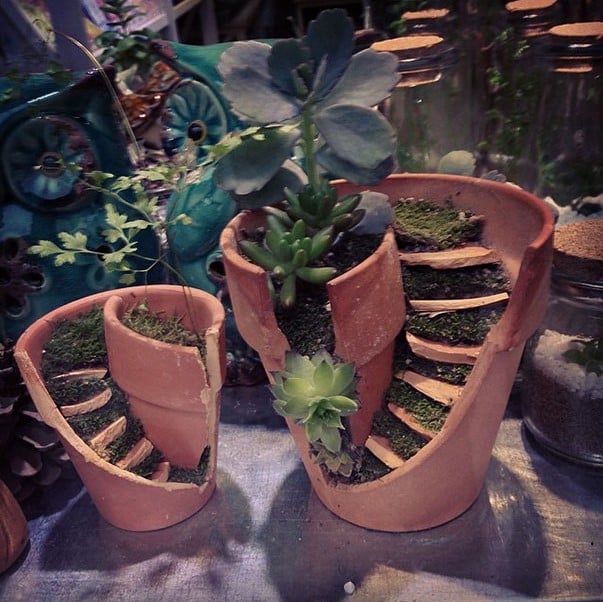
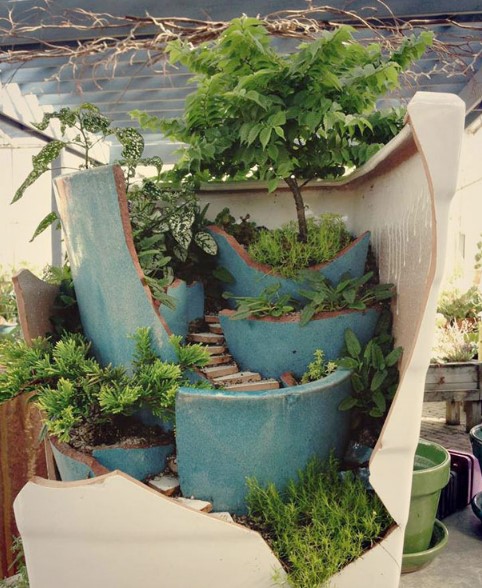
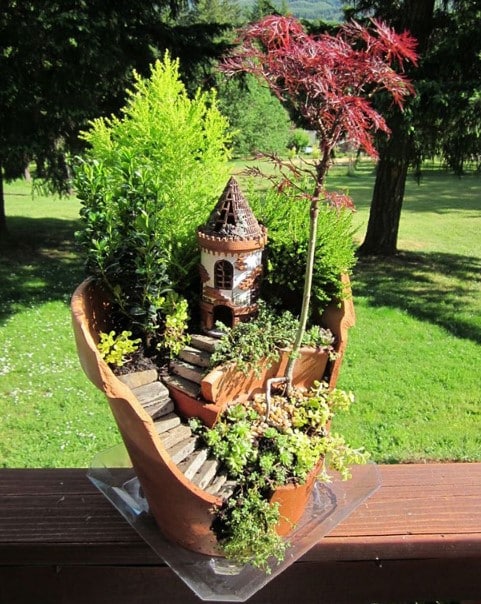
With a little creativity, you can repurpose the shards into whimsical miniature gardens, stunning plant displays, or fairy-tale-inspired landscapes.
In fact, broken pot gardening has become one of the trendiest and most charming ways to upcycle old containers.
Whether you’re working with a shattered planter or intentionally breaking one to create a unique scene, this crafty project is both environmentally friendly and incredibly rewarding.
Why You Shouldn’t Toss That Broken Pot
A broken garden pot isn’t a gardening failure—it’s an opportunity to get creative.
Repurposing broken pottery helps you:
- Reduce waste by giving damaged items new life
- Express creativity through fun DIY projects
- Add texture and character to your garden or balcony
- Create magical fairy gardens that delight both kids and adults
Best of all, these projects are budget-friendly and easy to make with just a few tools and some imagination.
How to Break a Pot Safely (If You Don’t Have a Broken One Yet)
If you want to create a broken pot project but don’t have a naturally broken one, you can intentionally shape a pot for your design.
Here’s how to do it safely:
Tools You’ll Need:
- Terracotta or clay pot
- Craft drill or ceramic file
- Hammer or rubber mallet
- Large container or sink for soaking
- Safety goggles
- Air filter or face mask
- Gloves
Steps:
-
Soak the pot in water for a few hours—this softens the clay slightly and helps reduce dust.
-
Mark where you want the break using a pencil or tape.
-
Use a craft drill or ceramic file to lightly score along the desired break line. This creates a weakened path for the crack to follow.
-
Gently tap with a hammer along the scored line until the pot breaks in a controlled way.
-
File any sharp edges with a rasp or sandpaper to make it safe for handling and planting.
Safety Note: Always wear protective eyewear and a dust mask when cutting or breaking clay or ceramic. Work outdoors or in a well-ventilated area.
How to Assemble Your Broken Pot Garden
Once you have your pot and shards ready, it’s time to get creative!
You’ll Need:
- Potting soil (well-draining mix for succulents if using)
- Pot shards and base container
- Small plants (succulents, herbs, moss, etc.)
- Miniature garden decorations (optional)
- Decorative stones, gravel, or sand
Assembly Steps:
-
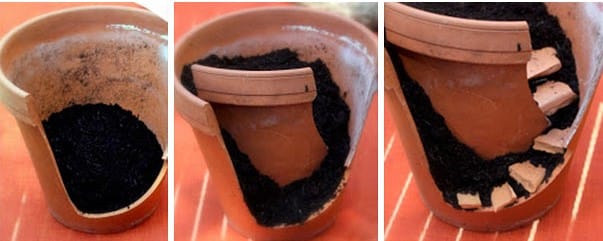
Place your largest shard at the back or side of the main pot to act as a backdrop or tier divider.
-
Fill with soil, gently patting it around each shard or tier.
-
Position smaller shards creatively to form steps, terraces, or walls.
-
Plant your greenery, starting with the tallest in the back and smallest in front.
-
Add fairy garden accessories like mini benches, ladders, or gnomes.
-
Finish with decorative gravel or moss to create a polished, magical look.
Plant Ideas for Broken Pot Gardens
Best for Full Sun:
- Sedum
- Echeveria
- Crassula
- Hens and Chicks (Sempervivum)
- Stonecrop
Great for Shaded Areas:
- Moss
- Mini ferns
- Irish moss
- Ajuga
- Corsican mint
For Color:
- Mini petunias
- Lobelia
- Alyssum
- Thyme (flowering varieties)
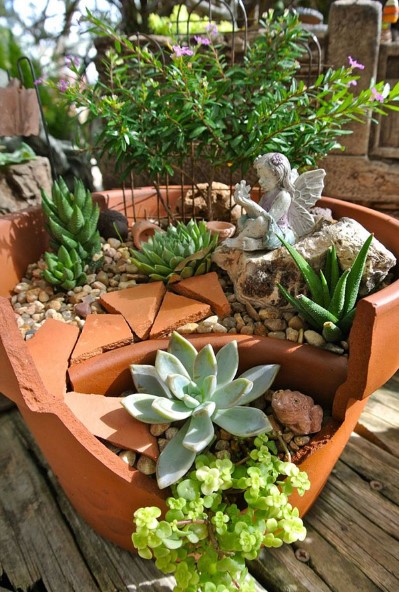
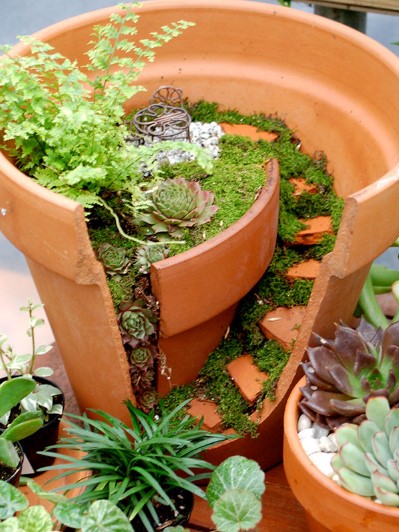
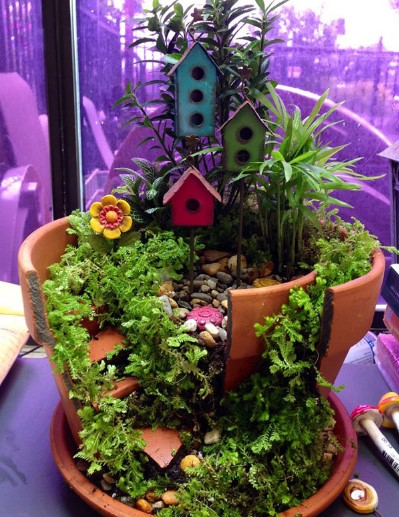
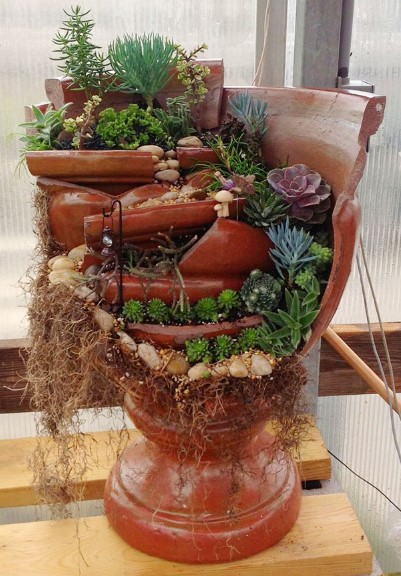
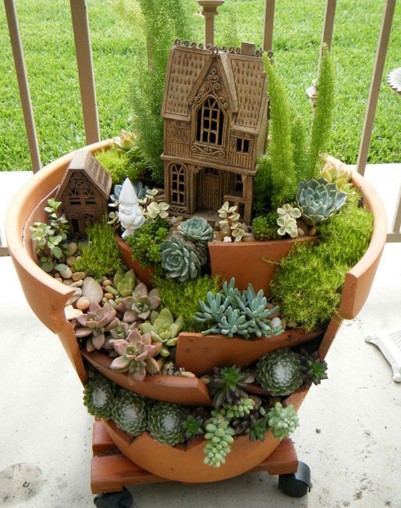
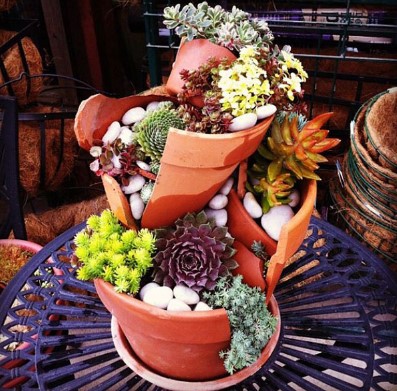
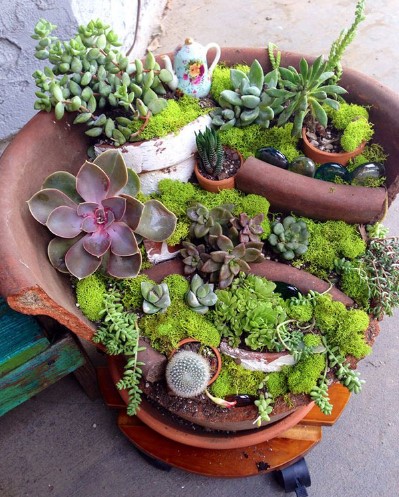
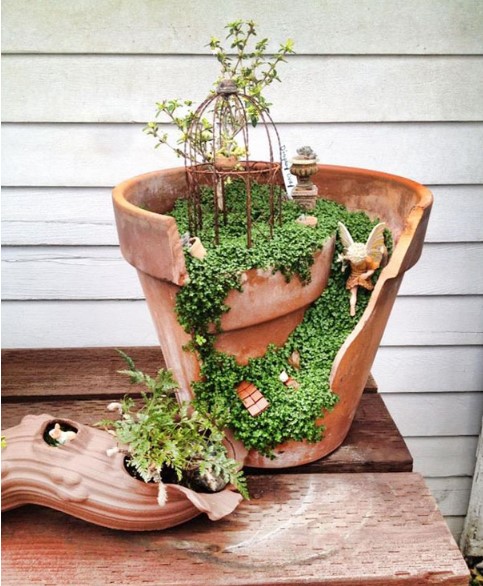
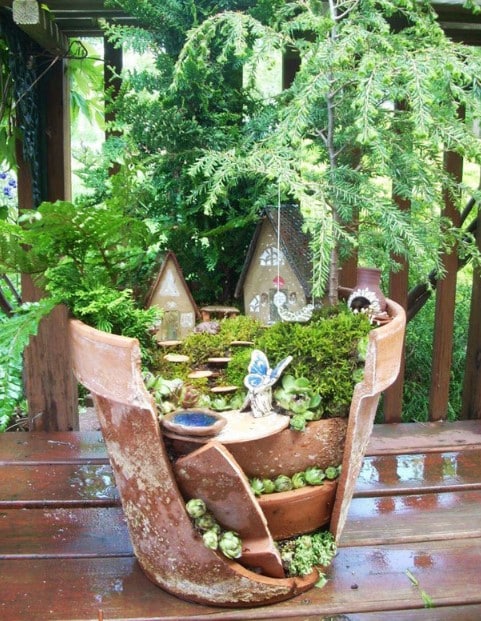
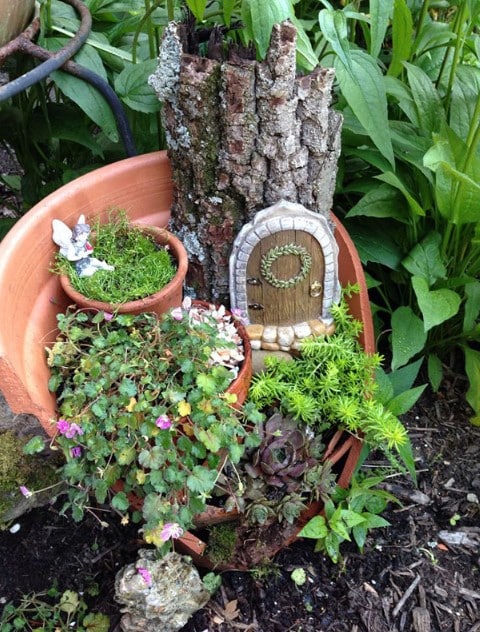
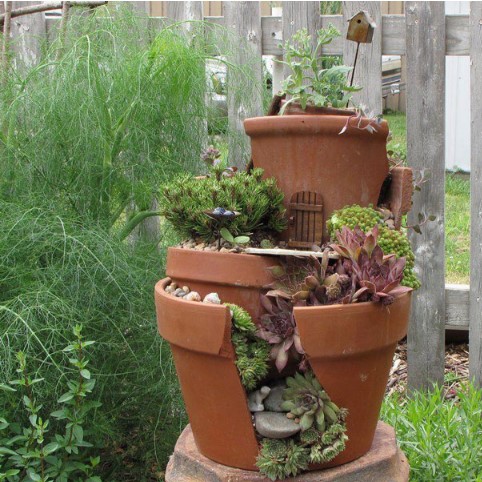
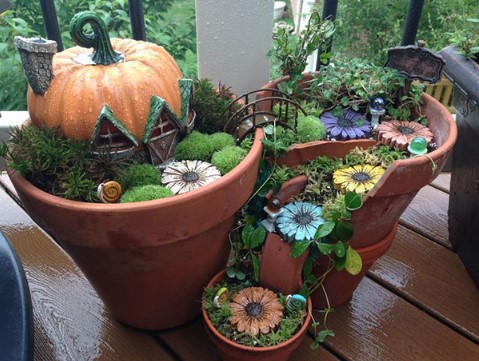
A broken pot doesn’t mean the end—it’s just the beginning of a new, imaginative garden project.
Whether you’re creating a fairy paradise, a cascading succulent display, or a mossy woodland mini-scene, turning broken pottery into garden art is a creative and eco-friendly way to beautify your outdoor space.
So next time a pot cracks, don’t toss it—transform it. Your garden will thank you.