Deep within the swampy coastlines of New South Wales, Australia, grows a resilient plant known as Melaleuca alternifolia, or the native tea tree.
Today, modern analytical chemistry has validated this ancient wisdom. Through steam distillation of the Melaleuca leaves, producers extract tea tree essential oil, a complex botanical matrix containing over 100 distinct organic compounds.
Chief among these is terpinen-4-ol, a powerful plant chemical that disrupts the cellular membranes of harmful bacteria, fungi, and viruses while remaining gentle on human tissue.
10 Versatile Uses and Benefits of Tea Tree Oil
From eradicating stubborn household mold to restoring a healthy microbial balance to your scalp, tea tree essential oil serves as a non-toxic, plant-based safeguard.
1. Targeting Acne and Blemish Outbreaks
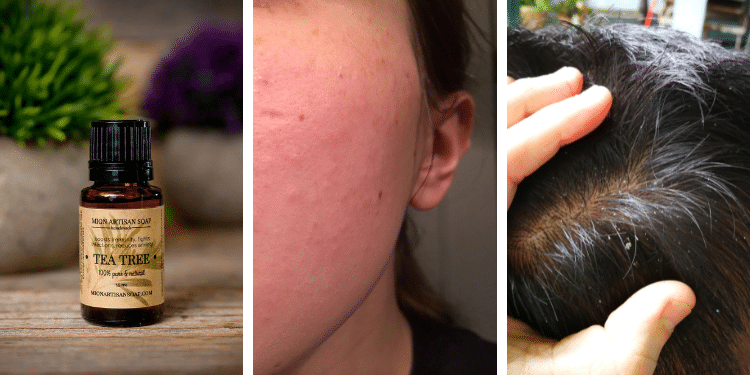
Tea tree oil is perhaps most famous for its ability to clear acne-prone skin. It functions as a natural alternative to benzoyl peroxide, targeting Cutibacterium acnes bacteria without drying out the surrounding skin barrier or causing chemical peeling. It penetrates deep into sebum-clogged pores to calm redness and reduce swelling.
The Targeted Spot Treatment: Never apply pure tea tree oil directly to the face. Instead, blend 1 drop of tea tree oil with 12 drops of a non-comedogenic carrier oil, such as jojoba or hemp seed oil, and apply it directly to blemishes using a clean cotton swab.
2. Eliminating Stubborn Dandruff and Scalp Itch
Chronic scalp flaking and itching are frequently caused by an overgrowth of Malassezia, a yeast-like fungus that feeds on the natural oils secreted by your hair follicles.
Tea tree oil’s potent antifungal properties help bring this fungal population back into a healthy balance, clearing away flaky buildup and soothing localized scalp irritation.
Add 2 to 3 drops of pure tea tree oil directly into your palm-sized dollop of regular shampoo. Massage it deeply into your scalp, let it sit for two minutes to allow the terpinen-4-ol to work, and rinse thoroughly.
3. Banishing Household Mold and Mildew
Bathrooms, basement walls, and window tracks are highly vulnerable to unsightly black mold and mildew colonies.
Instead of inhaling the toxic, corrosive fumes of chlorine bleach, you can deploy tea tree oil as a powerful, plant-based antifungal spray.
Mix 1 teaspoon of pure tea tree oil with 1 cup of white vinegar in a glass spray bottle. Shake vigorously and spray the mixture directly onto the moldy grout lines or drywall.
Do not rinse it off; let the vinegar and tea tree oil sink into the porous surface to kill the deep fungal roots and prevent new spores from taking hold.
4. Resolving Nail Fungus (Onychomycosis)
Fungal infections of the toenails are notoriously difficult to treat because the pathogen thrives beneath the thick, protective keratin layer of the nail plate.
Tea tree oil is one of the few natural substances capable of deeply penetrating this tough barrier to halt fungal replication.
Clean the affected foot thoroughly and dry it completely. Mix equal parts tea tree oil and a stable carrier oil, like olive oil, and paint it generously onto the top and sides of the infected nail using a clean cotton pad twice daily. Consistency is key; continue this routine until the damaged nail fully grows out.
5. Formulating a Non-Toxic All-Purpose Surface Cleanser
Keep your kitchen counters, doorknobs, and cutting boards hygienic without introducing synthetic perfumes or chemical residues to your living spaces. Tea tree oil functions as a superb, biodegradable multi-surface disinfectant.
6. Neutralizing Foot and Shoe Odors
Unpleasant foot odor is caused by bacteria multiplying inside the dark, damp, and warm environment of your shoes, where they feed on sweat and dead skin cells. Tea tree oil targets these odor-producing bacteria at the source.
To rescue foul-smelling footwear, fill two old, clean socks with baking soda and add 5 drops of tea tree oil to each. Tie off the ends and slide the socks deep into your shoes overnight.
The baking soda draws out trapped moisture, while the evaporating tea tree oil sanitizes the inner fabric layers.
7. Soothing the Discomfort of Athlete’s Foot (Tinea Pedis)
This highly contagious fungal infection causes intense itching, burning, and peeling skin between the toes. Tea tree oil helps alleviate these acute symptoms while actively combating the underlying dermatophyte fungus responsible for the rash.
Create a soothing foot bath by filling a basin with warm water, 1/2 cup of Epsom salt, and 10 drops of tea tree oil. Soak your feet for 15 minutes daily.
Once finished, ensure you dry between your toes completely to deny the fungus the moisture it needs to survive.
8. Sanitizing Laundry and Eliminating Damp Towel Odors
If you accidentally leave a load of wet laundry in the washing machine for too long, a sour, musty odor will quickly develop as airborne bacteria colonize the damp fabric. Standard laundry detergent often just masks this scent temporarily.
Reset your clothes and bath towels by adding 10 drops of tea tree oil directly to the liquid detergent compartment during a hot wash cycle. The oil will sanitize the fabric threads and kill off the trapped bacteria, leaving your laundry smelling fresh and clean.
9. Providing Quick Relief for Insect Bites and Stings
When a mosquito bites or a bee stings, your body releases histamines, causing a raised, red bump that itches intensely.
Tea tree oil’s natural anti-inflammatory and mild analgesic properties help desensitize local nerve endings, providing rapid relief from the persistent itch while neutralizing any bacteria introduced by the insect.
Blend 1 drop of tea tree oil with a teaspoon of soothing aloe vera gel or coconut oil and apply it gently to the bite to reduce swelling and halt the urge to scratch.
10. Purifying Stagnant Indoor Air
When winter weather or summer air conditioning keeps your home sealed tight for months, indoor air can become stagnant, accumulating floating dust dander, mold spores, and airborne viral particles.
Adding 4 to 5 drops of tea tree oil to an essential oil diffuser helps purify the immediate air column. As the fine mist disperses, its antimicrobial properties help drop airborne irritants out of circulation, leaving your living room or workspace smelling crisp, clean, and entirely refreshed.
The Golden Rules of Tea Tree Oil Safety
Because pure tea tree oil is an incredibly potent, biologically active plant extract, adhering to proper safety protocols is essential to avoid adverse reactions:
-
The Dilution Mandate: Never apply 100% undiluted tea tree oil directly to large areas of the skin. It is classified as a “hot” oil and can induce contact dermatitis, chemical redness, or burning if used without a proper carrier oil substrate (such as jojoba, sweet almond, or fractionated coconut oil).
-
The Pre-Use Patch Test: Before introducing tea tree oil to your wellness or beauty routine, perform a quick spot test. Rub a single drop of diluted oil onto your inner wrist or elbow and wait a full 24 hours. If any itching, swelling, or redness develops, discontinue use immediately.
-
Strictly Avoid Ingestion: Tea tree oil is formulated strictly for topical and environmental use. If swallowed, even in small amounts, it can cause severe toxicity, including confusion, loss of muscle coordination, and digestive distress. Keep bottles securely out of the reach of young children.
-
Keep Safe from Household Pets: Tea tree oil contains compounds that are highly toxic to cats and dogs, whose small livers lack the specific enzymes required to break down concentrated terpenes. Never use tea tree oil treatments on your pets, and ensure you diffuse the oil only in spacious, well-ventilated rooms where your pets can easily walk away if the aroma becomes too intense for their sensitive respiratory systems.