December is a month of rest for most of the garden, but it’s also a month when many gardeners unknowingly make mistakes.
One of the most common winter errors is cutting back the wrong plants at the wrong time – a mistake that can reduce spring blooms, weaken root systems, and leave plants vulnerable to winter stress.
While some plants benefit from a good winter trim, others should never be cut back in December.
Understanding the difference is essential for keeping your garden healthy, productive, and ready to burst into life when warmer weather returns.
Here’s what you should actually trim in December – and just as importantly, what you should leave alone.
Why December Trimming Matters
Winter pruning affects how plants conserve energy, protect buds, and prepare for spring growth. The right pruning:
- improves shape and airflow
- prevents disease from overwintering
- promotes stronger new growth
- helps plants rest properly through winter
But pruning at the wrong time can:
- remove next year’s flower buds
- expose plants to freeze damage
- interrupt dormancy
- stress the plant during cold weather
Knowing what to trim – and what not to touch – will save your garden from unnecessary setbacks.
Plants You Should Trim in December
These plants handle winter pruning well and even benefit from it. December is the ideal time to clean them up while growth has slowed and the structure is visible.
1. Roses (Except Early-Blooming Varieties)
Most hybrid teas, floribundas, and shrub roses appreciate a light winter cleanup to remove dead, crossing, or diseased stems.
This prevents disease and improves air circulation before spring.
What to do in December:
- remove dead or damaged wood
- trim long, whipping canes that could break in wind
- avoid heavy shaping until early spring
2. Ornamental Grasses (Cool-Season and Dwarf Varieties)
Many container-grown grasses and cool-season grasses benefit from a December trim to prevent snow mold and maintain tidy clumps.
What to cut:
- dried flower plumes
- brown, floppy foliage
- thin or broken stems
Cut grasses down to 4–6 inches above the soil.
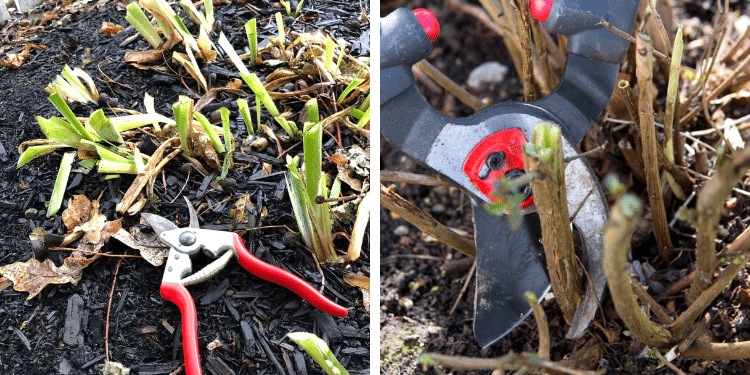
3. Perennials That Have Fully Died Back
If a perennial has turned completely brown and hollow, cutting it back protects against fungal diseases and pests overwintering in the dead foliage.
Best candidates include:
- hostas
- daylilies
- peonies
- heuchera (trim spent stems, not foliage)
- bee balm (monarda)
Removing old growth helps prevent mold and gives plants a fresh start in spring.
4. Sage, Oregano, and Woody Herbs Needing Rejuvenation
Many hardy herbs become leggy by winter. A light December trim shapes the plant and prevents stems from breaking under snow.
Trim lightly:
- common sage
- oregano
- winter savory
- thyme (only a small shaping trim; no heavy cuts)
Avoid cutting into old wood – only remove soft, straggly growth.
5. Blackberry and Raspberry Canes (After Fruiting)
If you grow cane berries, December is the perfect time to remove the canes that bore fruit this year.
Remove:
- old brown canes (spent fruiting canes)
- damaged or diseased canes
- overcrowded stems
Leave green, healthy canes for next year’s harvest.
6. Hydrangea Paniculata (Panicle Types)
Unlike bigleaf hydrangeas, panicle hydrangeas bloom on new wood. Trimming now encourages strong spring growth.
Cut back:
- spent flower heads
- long or awkward branches
- weak stems
Keep shaping mild – save heavy cuts for late winter.
7. Vines That Need Control
Fast-growing vines can become tangled and heavy with dead stems. Light winter trimming prevents wind damage.
Best candidates:
- honeysuckle
- wisteria (remove long, tangled runners)
- trumpet vine
- grapevine (structural pruning starts in winter)
Keep enough structure intact to protect buds through winter.
8. Dead, Diseased, or Damaged Branches on Any Plant
December is the perfect time for cleanup cuts because bare branches reveal structural problems clearly.
Remove any:
- moldy branches
- broken limbs
- wood rubbing together
- branches with fungal growth
These cuts protect the plant from winter disease spread.
Plants You Should Not Cut Back in December
These plants rely on their stems or buds for winter protection or spring blooms. Cutting them in December can result in zero flowers, winter injury, or stunted spring growth.
1. Hydrangea Macrophylla (Bigleaf Hydrangeas)
Their flower buds form on old wood, so cutting now means removing next year’s blooms. Leave the stems intact until after spring flowering.
2. Lavender (Most Varieties)
Lavender should never be pruned hard in winter. Cold weather can kill exposed woody stems.
Only prune lavender lightly in summer or early fall.
3. Spring-Blooming Shrubs
Any plant that blooms before June uses buds formed the previous season.
Do not prune in winter:
- lilacs
- forsythia
- rhododendrons
- azaleas
- mock orange
- weigela
Prune them only after flowering.
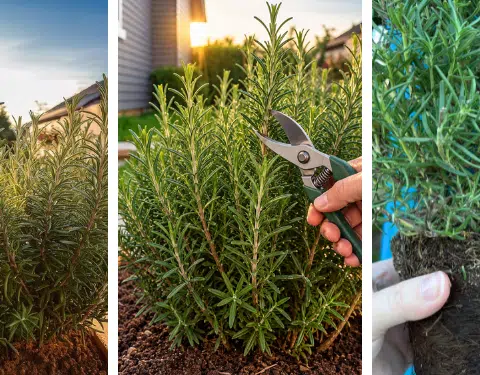
4. Mediterranean Herbs
Herbs like rosemary and thyme handle winter poorly if pruned too hard. Removing too much top growth exposes woody stems to cold damage.
Leave major pruning for spring.
5. Evergreen Shrubs
Cutting evergreen shrubs in winter exposes tender growth to cold and can disfigure the plant.
Avoid pruning:
- boxwood
- holly
- juniper
- arborvitae
Trim lightly only if absolutely necessary.
6. Fruit Trees Not Fully Dormant
Pruning too early can stimulate new growth – dangerous when freezing temperatures are still ahead.
Wait until late winter when dormancy is stable.
December Pruning Tips for Best Results
To protect your plants and encourage strong spring growth:
- prune only on dry days
- never cut into frozen wood
- sterilize tools to prevent spreading disease
- mulch after pruning to protect roots
- avoid fertilizing after winter cuts
These practices help plants recover smoothly and enter spring ready to grow.
December pruning is part science and part strategy.
While some plants benefit greatly from a winter cleanup – like roses, grasses, certain perennials, and cane berries – many others should never be cut until warmer weather returns.