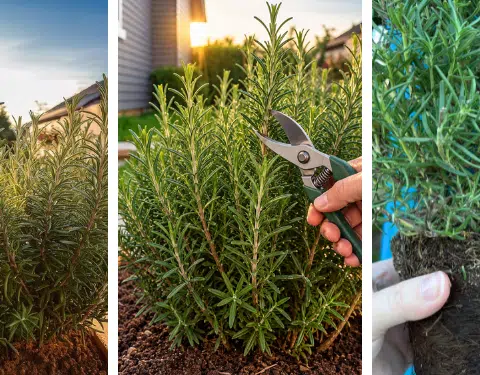
Roses are among the most cherished flowering plants in gardens around the world. Known for their beautiful blossoms and rich fragrance, they can transform any landscape into a colorful display.
However, roses require thoughtful seasonal care to perform their best.
As winter ends and temperatures begin to rise, March becomes one of the most important months for rose care. During this time, rose bushes start waking up from dormancy, preparing for rapid spring growth and the first wave of flowers.
The garden roses most people grow belong to the genus Rosa, which includes hundreds of species and thousands of cultivated varieties.
Whether you grow hybrid tea roses, climbing roses, shrub roses, or floribundas, early-spring maintenance is essential for keeping them healthy.
Unfortunately, many gardeners overlook a few simple tasks that can make a major difference in how their roses grow throughout the season.
Below are seven essential things you should not forget to do for your roses in March.
1. Prune Roses Before Active Growth Begins
Pruning is one of the most important tasks for rose care in early spring.
During winter, roses often develop dead, weak, or damaged stems. If these branches remain on the plant, they can block airflow and prevent healthy new shoots from developing.
March is usually the ideal time to prune because the plant is just beginning to wake up, but new growth has not yet fully developed.
Start by removing:
• Dead wood
• Diseased stems
• Broken branches
• Thin, weak growth
Next, shape the plant by cutting back stronger stems to encourage new growth. Always make cuts just above an outward-facing bud so the new branch grows away from the center of the plant.
Proper pruning improves airflow, reduces disease risk, and encourages stronger flowering stems.
2. Clean Up Winter Debris Around the Plant
Many gardeners forget that fallen leaves and plant debris around rose bushes can harbor pests and fungal diseases.
During winter, old leaves, twigs, and mulch can accumulate around the base of the plant. These materials may contain fungal spores or overwintering insects.
Before spring growth begins, remove any debris surrounding your roses.
This includes:
• Fallen rose leaves
• Old mulch
• Dead plant material
• Weeds
Cleaning the area improves air circulation and reduces the risk of common rose diseases such as black spot and powdery mildew.
After cleaning, you can replace the mulch with a fresh layer later in the season.
3. Feed Roses with the Right Fertilizer
Roses are heavy feeders and require nutrients to produce large, healthy blooms.
In March, as the soil begins warming, roots start actively absorbing nutrients again.
Applying fertilizer at this time provides roses with the energy they need to produce strong stems, lush foliage, and abundant flowers.
Choose a balanced fertilizer designed for flowering plants or roses.
Many gardeners prefer organic options such as:
• Compost
• Well-aged manure
• Fish emulsion
• Bone meal
Spread fertilizer around the drip line of the plant rather than directly against the stem.
Feeding early in the season helps roses grow vigorously and prepares them for the blooming period.
4. Refresh the Soil and Mulch Layer
Healthy soil is the foundation of strong roses.
Over the winter months, soil can become compacted or depleted of nutrients.
Loosening the soil around your rose bushes in March helps improve oxygen flow to the roots and allows water to penetrate more easily.
Be careful not to disturb the roots while loosening the soil.
Afterward, apply a fresh layer of mulch.
Organic mulch such as bark chips, compost, or shredded leaves offers several benefits:
• Retains soil moisture
• Suppresses weeds
• Regulates soil temperature
• Adds nutrients as it decomposes
A mulch layer about 5–7 cm (2–3 inches) thick is usually sufficient.
Avoid piling mulch directly against the rose stems to prevent rot.
5. Check for Early Signs of Pests
Many garden pests begin appearing as temperatures warm in early spring.
Aphids, spider mites, and other insects often target new rose growth because it is tender and rich in nutrients.
Inspect your rose bushes regularly in March, paying close attention to the undersides of leaves and developing buds.
Look for signs such as:
• Tiny insects on new shoots
• Sticky residue on leaves
• Distorted leaf growth
If pests appear early in the season, they can often be removed by spraying the plant with a gentle stream of water.
Organic insecticidal soap or neem oil may also help manage pests if necessary.
Catching pest problems early prevents them from spreading throughout the garden.
6. Water Roses Properly as Growth Begins
Although roses require consistent moisture, watering habits often change as winter ends.
In March, soil conditions can vary depending on rainfall and temperature.
If the soil becomes too dry, newly emerging shoots may struggle to develop.
On the other hand, excessive watering can lead to root problems.
The best approach is to water deeply but less frequently.
Deep watering encourages roots to grow downward into the soil, making the plant more resilient during hot summer months.
Early morning watering is ideal because it allows leaves to dry during the day, reducing the risk of fungal diseases.
7. Plan Support for Climbing Roses
Climbing roses and tall rose varieties often require support structures such as trellises or garden arches.
March is the best time to inspect and repair these supports before new growth begins.
Check trellises, wires, or stakes to ensure they are stable and secure.
Gently tie long canes to the support using soft garden ties or twine.
Training climbing roses early in the season encourages better flower distribution and prevents branches from breaking under the weight of blooms.
Proper support also improves sunlight exposure and airflow around the plant.
Why March Is the Most Important Month for Rose Care
Roses enter a dormant phase during winter when growth slows dramatically.
As temperatures rise in early spring, the plant begins preparing for its active growing season.
Roots become more active, buds start forming, and new shoots emerge.
Completing maintenance tasks in March allows roses to direct their energy toward healthy growth and flower production.
If these tasks are delayed until later in spring, the plant may already be stressed or vulnerable to pests and disease.
Early care creates the best conditions for strong roses throughout the entire season.
Ideal Growing Conditions for Roses
Roses thrive when several basic growing conditions are met.
They require at least six hours of sunlight per day.
Full morning sun is especially beneficial because it helps dry dew from leaves, reducing fungal disease risk.
Roses also prefer well-draining soil rich in organic matter.
Consistent watering, proper pruning, and balanced fertilization all contribute to vigorous growth.
When these conditions are met, roses produce stronger stems and larger, more vibrant flowers.
Encouraging Bigger and More Frequent Blooms
Many gardeners dream of rose bushes covered in flowers.
Achieving this requires a combination of proper care techniques.
Pruning encourages new flowering stems.
Fertilizing provides nutrients needed for bud development.
Consistent watering supports steady growth.
Deadheading spent blooms later in the season encourages additional flowering cycles.
By preparing roses properly in March, gardeners set the stage for months of spectacular blooms.
Common Rose Care Mistakes to Avoid
Even experienced gardeners sometimes make simple mistakes that affect rose performance.
One common mistake is pruning too late in spring, which can remove developing flower buds.
Another issue is overcrowded plants. Roses need good airflow to prevent disease.
Over-fertilizing can also be harmful. Excess nitrogen may produce lush foliage but fewer flowers.
Avoiding these mistakes helps roses remain healthy and productive.
Roses may have a reputation for being difficult plants, but with the right care they can be surprisingly rewarding.
March is the perfect time to prepare your rose garden for the growing season.