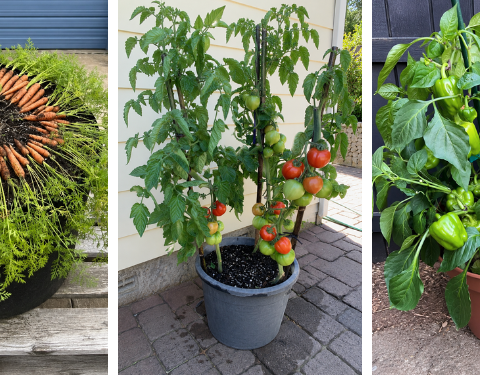
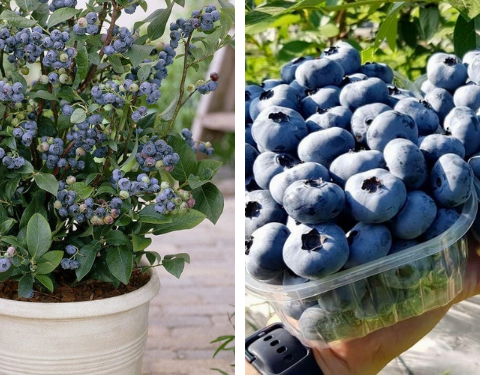
Container gardening – the art of growing plants in pots, planters, or other containers – makes it possible to cultivate a productive vegetable garden just about anywhere.
With the right approach, you can transform a modest balcony, patio, rooftop, or kitchen window into a thriving mini-farm that produces crisp greens, juicy tomatoes, vibrant peppers, and more.
Why Grow Vegetables in Containers?
Container gardening isn’t just a compromise for small spaces – it offers many unique benefits that even traditional gardeners can appreciate:
1. Grow Food Anywhere
All you need is sunlight and a few containers. Balconies, patios, driveways, fire escapes, rooftops, or sunny windowsills can all become productive gardens.
2. Better Soil Control
When you grow in containers, you’re not at the mercy of poor native soil. You can use a custom potting mix rich in nutrients, perfectly draining, and free from weeds and pests.
3. Fewer Pests and Diseases
Soil-borne pests and diseases are much less common in pots. Plus, you can easily relocate containers if you notice problems like too much shade, rain, or pest activity.
4. Flexibility and Mobility
Containers are easy to move. Shift them to catch the sun, protect them from frost, or bring tender plants indoors during cold spells.
5. Easier Maintenance
Container gardens require less bending, weeding, and digging. They’re perfect for beginners, busy people, and those with limited mobility.
6. Surprising Productivity
With proper care, vegetables grown in containers can produce as much (or even more) than those grown in the ground. Many plants thrive in pots if they receive adequate sunlight, nutrients, and water.
Choosing the Right Containers
The container you choose can make or break your gardening success.
Here’s what to consider:
- Size: Larger containers retain moisture better and allow roots more space to grow. For most vegetables, aim for at least 5 gallons per plant.
- Material: Terracotta pots look beautiful but dry out quickly. Plastic and resin retain moisture longer. Fabric grow bags offer excellent drainage and aeration.
- Drainage: Always choose containers with drainage holes to prevent waterlogging, which can lead to root rot.
- Shape: Deeper pots are better for root vegetables like carrots and beets, while wide, shallow containers suit greens like lettuce and spinach.
The Best Soil Mix for Container Vegetables
Using the right soil is crucial for healthy, productive plants. Never use garden soil – it’s too heavy and may compact in containers.
Instead, opt for a high-quality potting mix with these key qualities:
- Lightweight and well-draining to prevent soggy roots.
- Rich in organic matter (compost or aged manure) to provide nutrients.
- Moisture-retentive but not waterlogged (perlite or vermiculite helps with this).
- Balanced pH (6.0–7.0), which suits most vegetables.
Mix in some slow-release organic fertilizer before planting for an extra boost.
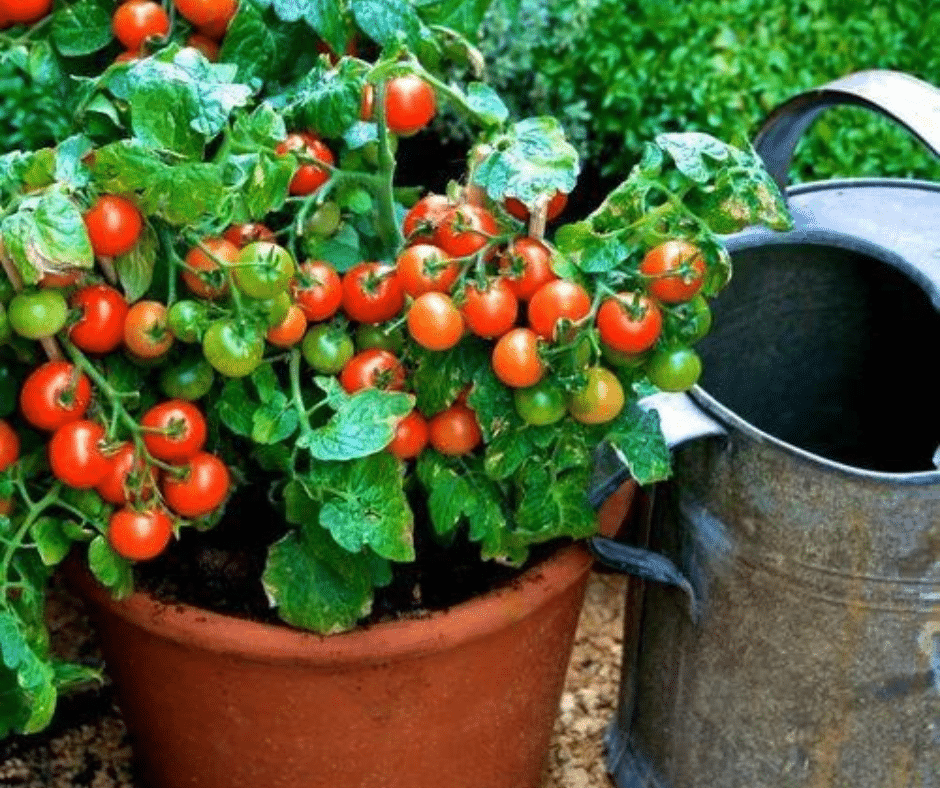
1. Tomatoes (Solanum lycopersicum)
Tomatoes are container gardening champions. Compact varieties like ‘Patio Princess’ or cherry tomatoes grow prolifically in pots and deliver sweet, juicy harvests all season.
- Container Size: 5+ gallons
- Sunlight: 6–8 hours daily
- Tips: Stake or cage plants for support. Water deeply and consistently to prevent cracking and blossom end rot. Feed with a balanced fertilizer every 2 weeks during fruiting.
2. Peppers (Capsicum annuum)
From sweet bell peppers to fiery chilies, peppers thrive in warm, sunny spots and adapt well to pots.
- Container Size: 3–5 gallons
- Tips: Keep soil evenly moist but not soggy. Use a potassium-rich fertilizer once flowering begins. Peppers love warmth – place them against a sunny wall or in a greenhouse for best results.

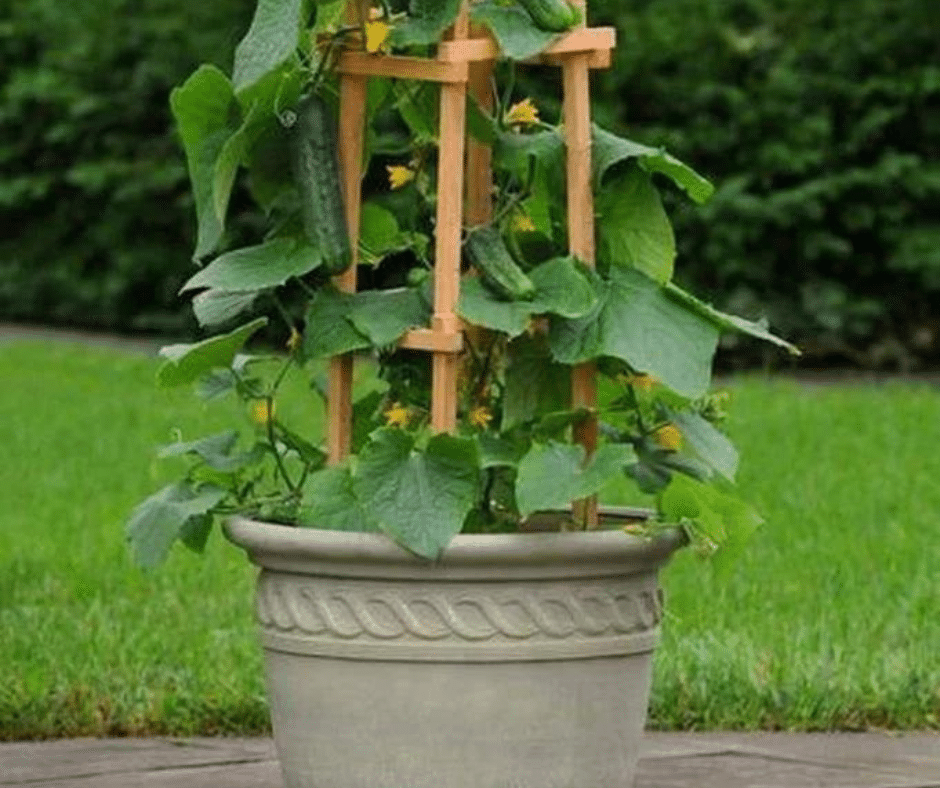
3. Cucumbers (Cucumis sativus)
Choose bush varieties like ‘Bush Champion’ or ‘Spacemaster’ that stay compact but produce heavily.
- Container Size: 5+ gallons
- Tips: Train vines up a trellis to save space and improve airflow. Water frequently, as cucumbers are heavy drinkers. Mulch to retain soil moisture.
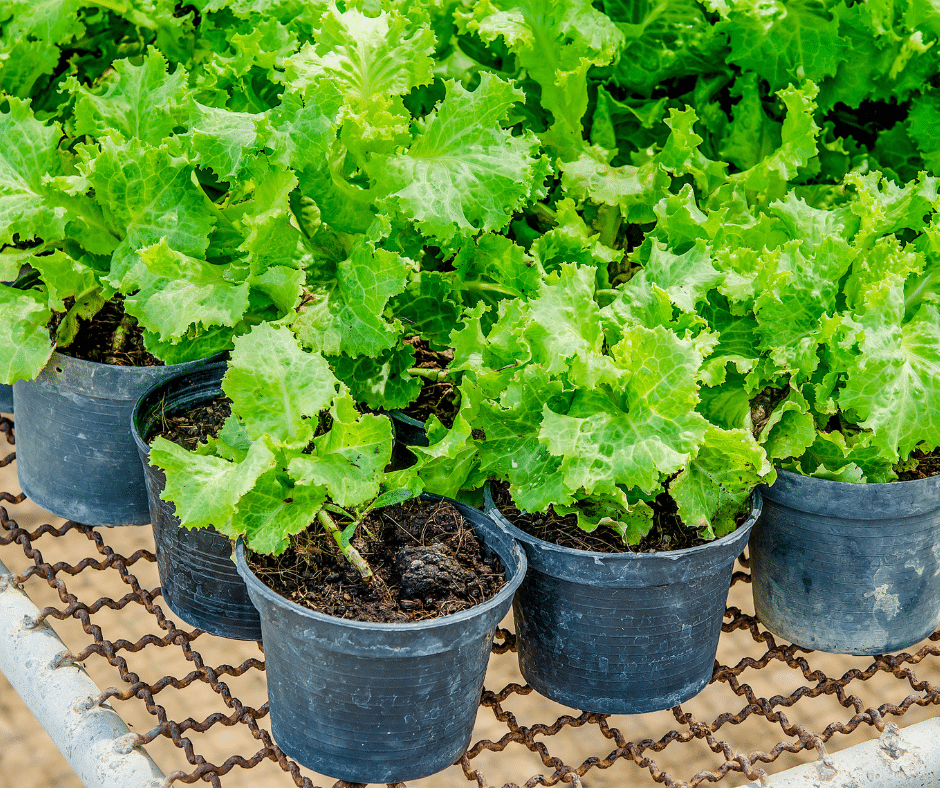
4. Lettuce (Lactuca sativa)
Fast-growing and forgiving, lettuce is ideal for container beginners. You can harvest tender baby greens or let them mature into full heads.
- Container Depth: 6 inches
- Tips: Sow seeds every 2–3 weeks for a continuous supply. Keep soil moist and harvest outer leaves regularly to encourage new growth.
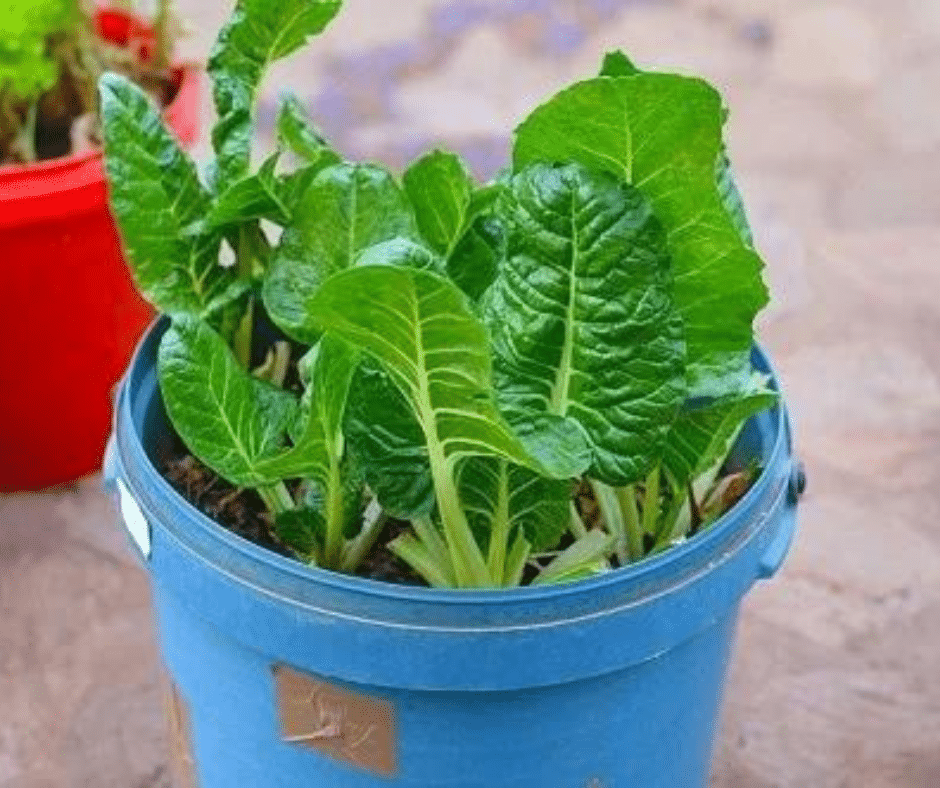
5. Spinach (Spinacia oleracea)
Spinach grows quickly and thrives in cool weather, making it a perfect choice for spring or fall container gardens.
- Container Depth: 6+ inches
- Tips: Water consistently and harvest leaves often. Move containers into partial shade if temperatures rise – spinach bolts in hot weather.
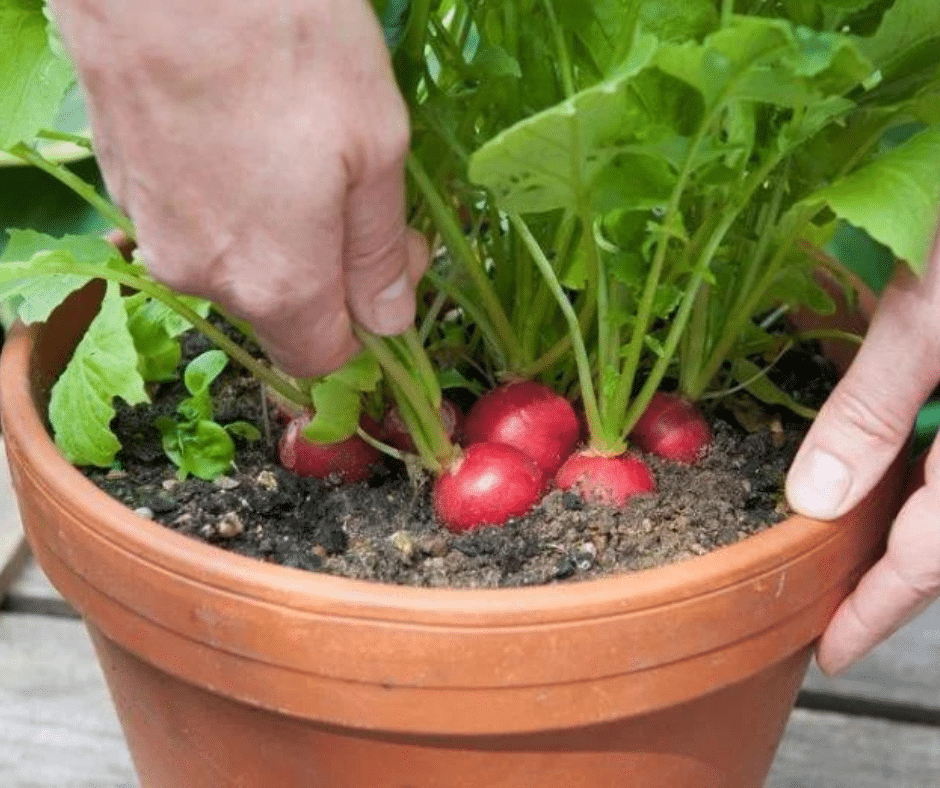
6. Radishes (Raphanus sativus)
One of the fastest crops you can grow, radishes mature in just 3–4 weeks.
- Container Depth: 6 inches
- Tips: Sow seeds directly in the container. Thin seedlings early to give roots space. Keep soil consistently moist for tender, crisp roots.
7. Green Onions (Allium fistulosum)
Also known as scallions, these flavorful alliums grow quickly and continuously.
- Container Depth: 4–6 inches
- Tips: Harvest outer stalks and let inner ones keep growing. You can regrow them from kitchen scraps by planting the white bulb ends.
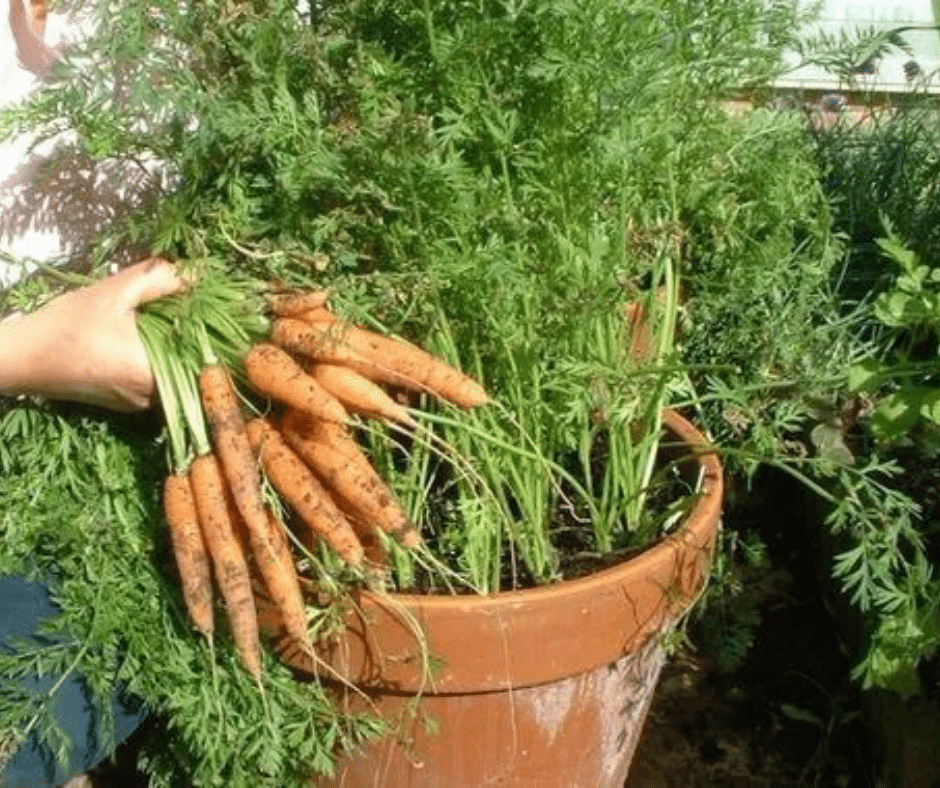
8. Carrots (Daucus carota)
Choose shorter varieties like ‘Parisian’ or ‘Little Finger’ for container success.
- Container Depth: 12 inches
- Tips: Loose, sandy soil helps carrots grow straight. Thin seedlings to prevent crowding and irregular roots.
9. Herbs
Herbs are perfect container companions. Many thrive in small spaces and enhance your cooking and pollinator activity.
- Best Choices: Basil, thyme, oregano, parsley, rosemary, mint
- Container Depth: 6–10 inches
- Tips: Snip leaves frequently to encourage bushy growth. Most herbs prefer well-drained soil and slightly dry conditions between waterings.
10. Arugula (Eruca sativa)
This peppery salad green matures quickly and grows well even in partial shade.
- Container Depth: 6 inches
- Tips: Succession sow every few weeks. Harvest young leaves for the best flavor.
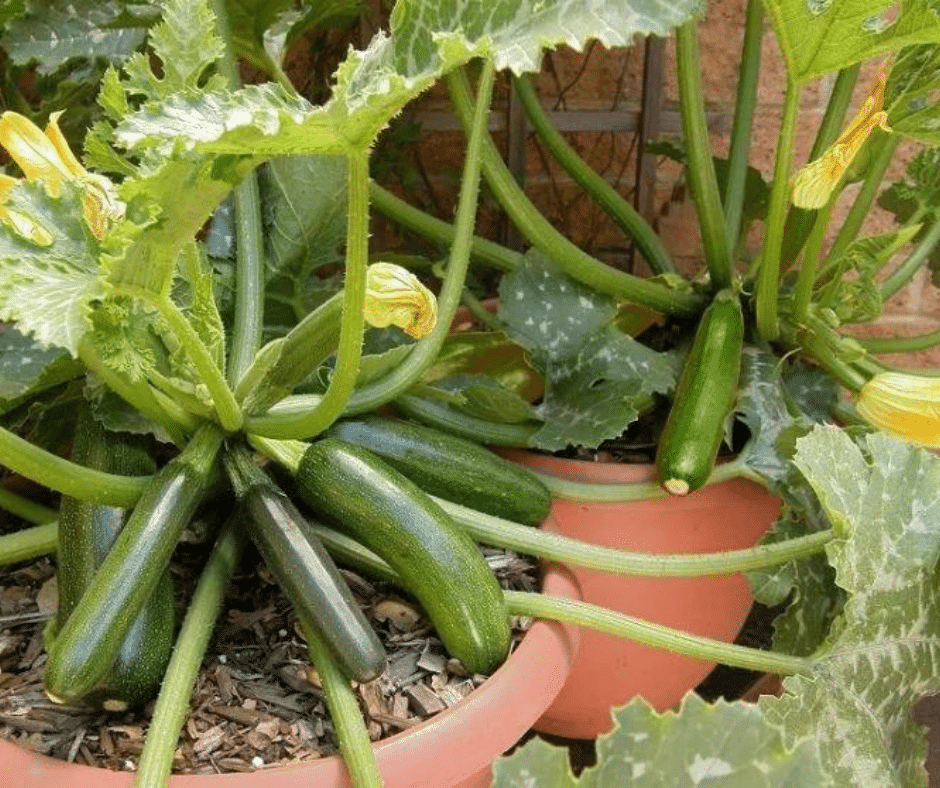
11. Zucchini (Cucurbita pepo)
Zucchini can produce an impressive harvest from a single container if you choose compact varieties like ‘Bush Baby’.
- Container Size: 10+ gallons
- Tips: Water deeply and regularly. Feed with a compost tea or organic fertilizer once flowers appear.
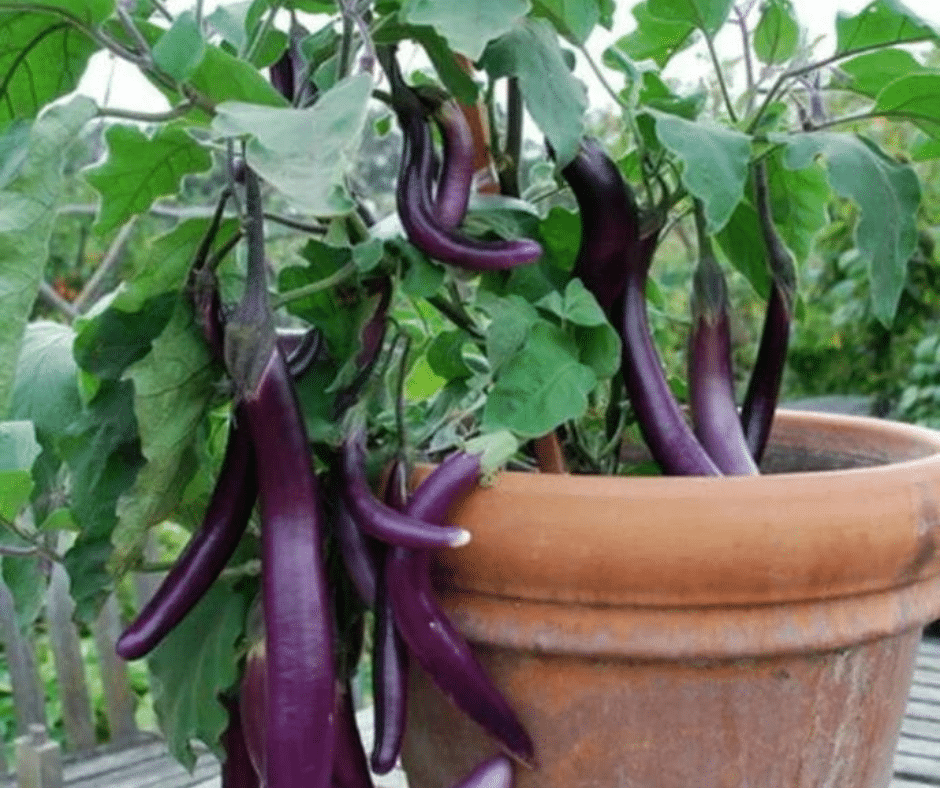
12. Eggplant (Solanum melongena)
Eggplants thrive in containers and love heat.
- Container Size: 5+ gallons
- Tips: Place in full sun and fertilize regularly. Stake plants if fruits get heavy.
13. Bush Beans (Phaseolus vulgaris)
Bush beans are low-maintenance, high-yielding, and perfect for pots.
- Container Depth: 8–10 inches
- Tips: Sow directly into containers. Keep soil evenly moist and harvest pods frequently to encourage new growth.
14. Kale (Brassica oleracea acephala)
Kale is a cool-weather favorite rich in vitamins and antioxidants.
- Container Depth: 8–10 inches
- Tips: Harvest outer leaves regularly. Provide partial shade in hot weather to prevent bitterness.
15. Swiss Chard (Beta vulgaris var. cicla)
Vibrant and nutritious, chard grows well in containers and provides a continuous harvest.
- Container Depth: 8–10 inches
- Tips: Cut outer leaves and let the center continue producing. Chard tolerates both cool and warm conditions.
16. Bush Peas (Pisum sativum)
Peas love cool weather and are surprisingly productive in pots.
- Container Depth: 8+ inches
- Tips: Use a trellis or stakes for support. Harvest pods when young and tender for the best flavor.
17. Beets (Beta vulgaris)
Beets are easy to grow in containers, and you get two harvests: roots and greens.
- Container Depth: 10–12 inches
- Tips: Thin seedlings early for uniform roots. Harvest greens regularly without damaging the bulbs.
18. Summer Squash (Cucurbita pepo)
Compact summer squash varieties adapt well to large containers and produce heavily.
- Container Size: 10+ gallons
- Tips: Provide regular water and fertilizer. Mulch to conserve moisture.
19. Cilantro (Coriandrum sativum)
This flavorful herb grows quickly but bolts in hot weather.
- Container Depth: 6–8 inches
- Tips: Grow in spring or fall for the longest harvest window. Succession sow every few weeks.
20. Microgreens
Microgreens are the ultimate space-saver. They’re nutrient-dense, fast-growing, and ready in as little as 10 days.
- Container Depth: 2–3 inches
- Tips: Scatter seeds densely and keep the soil consistently moist. Harvest when the first true leaves appear.
Expert Tips for Container Gardening Success
- Use High-Quality Potting Mix: Lightweight, nutrient-rich, and moisture-retaining mixes support robust root growth.
- Fertilize Regularly: Container plants use nutrients quickly. Feed with a balanced organic fertilizer every 2–4 weeks.
- Water Consistently: Pots dry out faster than garden beds. Water deeply whenever the top inch of soil feels dry.
- Mulch the Surface: A thin layer of mulch helps retain moisture and regulate soil temperature.
- Rotate and Relocate: Rotate crops seasonally and move containers as needed to optimize sunlight.
Container gardening proves that you don’t need a sprawling backyard to grow fresh, healthy vegetables.
With the right containers, soil, and care, even a small space can yield an impressive harvest of greens, roots, and fruits.