Indoor air quality has become one of the most overlooked factors in good sleep and overall health.
Dust, toxins from furniture, cleaning products, paint, fabrics, and even electronics can linger in the air, especially at night when rooms remain closed and airflow slows down.
For people who struggle with allergies, dry sinuses, morning headaches, or restless sleep, improving air quality can make a dramatic difference.
One of the simplest and most natural ways to clean your bedroom air is to add houseplants that work while you sleep.
Some plants release oxygen at night, while others absorb harmful particles and purify the air quietly and continuously.
When placed in a bedroom, these plants help you breathe better, sleep deeper, and wake up feeling more refreshed.
Here are the 7 best bedroom plants that actually clean indoor air overnight, backed by their natural abilities to filter toxins, improve oxygen flow, and regulate humidity.
Why Nighttime Air-Purifying Plants Matter
Most plants release oxygen during the day through photosynthesis, but at night many switch to absorbing oxygen instead.
However, certain species continue releasing oxygen or absorbing toxins even after the sun goes down. These plants help:
- reduce airborne toxins like benzene, toluene, and formaldehyde
- improve nighttime oxygen levels
- increase humidity for easier breathing
- reduce dust and allergens
- ease respiratory irritation
- support relaxation and deeper sleep
This makes them ideal companions for bedrooms, especially during dry or winter months.
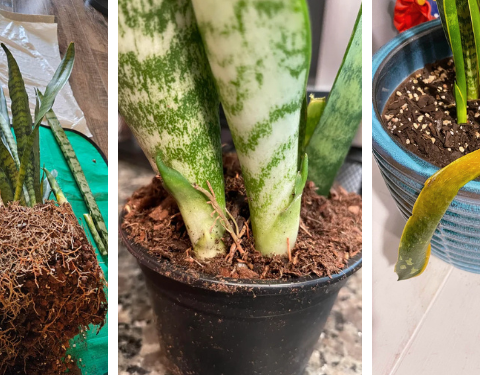
1. Snake Plant (Sansevieria)
The snake plant is famous for being one of the few plants that release oxygen at night.
It performs a type of photosynthesis called CAM photosynthesis, allowing it to purify air even in darkness.
Nighttime Benefits
- releases oxygen during sleep hours
- absorbs toxins from paints, carpets, and plastics
- helps reduce headaches and nighttime congestion
- extremely low-maintenance
Because it thrives on neglect, the snake plant is perfect for anyone who wants cleaner bedroom air without extra work.
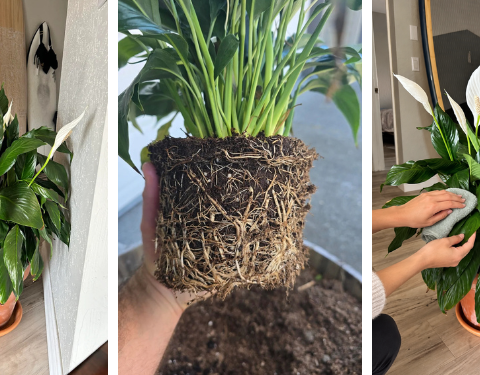
2. Peace Lily (Spathiphyllum)
Peace lilies are among the top NASA-tested air purifiers. They remove mold spores, airborne chemicals, and household toxins while adding gentle humidity to dry rooms.
Nighttime Benefits
- filters benzene, formaldehyde, and trichloroethylene
- increases humidity, easing dry throat and sinus discomfort
- reduces dust levels
- promotes calm through its lush, soft foliage
A peace lily by the bedside can dramatically improve breathing comfort for allergy sufferers.
3. Aloe Vera
Aloe vera is another nighttime oxygen-releasing plant, making it excellent for bedrooms. It also absorbs pollutants linked to cleaning products, candles, and air fresheners.
Nighttime Benefits
- releases oxygen at night
- removes benzene and formaldehyde
- soothes dry indoor air
- alerts you to poor air quality (brown spots appear when toxins are high)
Aloe is small enough for bedside tables and thrives in bright, indirect light.
4. English Ivy (Hedera helix)
English ivy is particularly effective at removing airborne mold spores – a major trigger for sinus irritation, allergies, and sleep disturbances.
Nighttime Benefits
- reduces mold levels in the air
- helps with asthma and allergy symptoms
- filters formaldehyde and volatile organic compounds (VOCs)
- excellent for small or humid bedrooms
A hanging basket works best, keeping ivy safely out of reach of pets.
5. Areca Palm
The areca palm is a natural humidifier, releasing moisture through its leaves as it cleans the air. Bedrooms that feel dry or stuffy benefit greatly from this plant.
Nighttime Benefits
- increases humidity, helping dry skin and sinuses
- removes toxins commonly released by furniture
- supports easier breathing
- provides a calming, tropical aesthetic
This palm can grow tall, making it a beautiful statement piece in larger bedrooms.
6. Lavender (Lavandula)
While known for its fragrance, lavender is also a gentle air purifier. Its natural calming properties support deeper sleep, reduced anxiety, and nighttime relaxation.
Nighttime Benefits
- reduces stress and promotes relaxation
- purifies air lightly
- lowers heart rate and encourages deeper sleep
- ideal for bedside placement
Lavender prefers bright light and careful watering, but its aromatherapy benefits make it exceptional for sleep.
7. Pothos (Epipremnum aureum)
Pothos is one of the most effective toxin absorbers and is incredibly easy to grow. It thrives even in low-light bedrooms.
Nighttime Benefits
- filters formaldehyde, xylene, toluene, and benzene
- grows rapidly, increasing purification power
- reduces dust levels and airborne particles
- highly adaptable and almost impossible to kill
Its cascading leaves add beauty while silently cleaning your air.
How These Plants Help You Sleep Better
Bedroom air quality influences how deeply and comfortably you sleep. These plants help by:
Improving Oxygen Levels
Plants like snake plants and aloe release oxygen at night, improving airflow and decreasing nighttime restlessness.
Reducing Airborne Irritants
Dust, VOCs, and mold spores can cause coughing, congestion, or snoring. Air-cleaning plants reduce these triggers.
Supporting Relaxation
Lavender and peace lilies create a calming environment that prepares your body for rest.
Regulating Humidity
Areca palms and peace lilies gently increase humidity, preventing dry throat, dry skin, and irritated nasal passages.
Lowering Stress
Green plants naturally reduce cortisol levels and support a peaceful bedroom atmosphere.
How Many Plants Do You Need for Effective Air Cleaning?
While even one plant can make a difference, cleaner air typically comes from having 2–3 medium plants or 4–5 small plants in a standard-sized bedroom.
Spread them out for maximum airflow and purification.
Tips for Using Plants in Your Bedroom Safely
- Avoid overwatering – moisture buildup can cause mold.
- Ensure good airflow by opening a window during the day.
- Keep plants healthy so they can purify effectively.
- Choose pet-safe plants if you have pets (pothos and ivy are not pet-safe).
Healthy plants clean better, breathe better, and support your overall well-being.
Adding plants to your bedroom isn’t just a design choice – it’s a natural way to improve your sleep, breathing, and overall health.
The seven plants listed here work through the night to remove toxins, release oxygen, and create a more restful environment.