Summer evenings are perfect for backyard BBQs, gardening, or simply unwinding on the porch — but not when mosquitoes and bugs crash the party.
Instead of relying on chemical sprays or candles that offer limited protection, you can use nature’s own defenses to create a bug-free zone.
Certain plants naturally emit insect-repelling compounds that ward off mosquitoes, flies, and other pests — all while adding beauty, fragrance, and function to your outdoor space.
Here are three of the best all-natural insect-repelling plants to grow in your garden or patio.
We’ll cover why they work, how to grow them, and how to use them effectively to enjoy a bite-free summer.
Why Choose Natural Insect-Repelling Plants?
-
Non-toxic alternative to sprays and chemicals
-
Dual-purpose – most are culinary or ornamental
-
Eco-friendly – safe for pollinators, pets, and children
-
Low-maintenance and beautiful additions to your yard
Each of the following plants contains essential oils or compounds that are proven to repel insects like mosquitoes, flies, gnats, and more. Plus, they smell amazing to us.
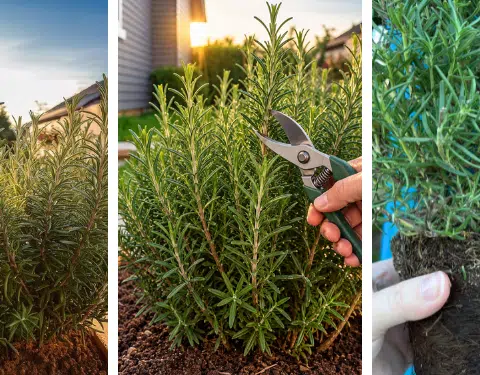
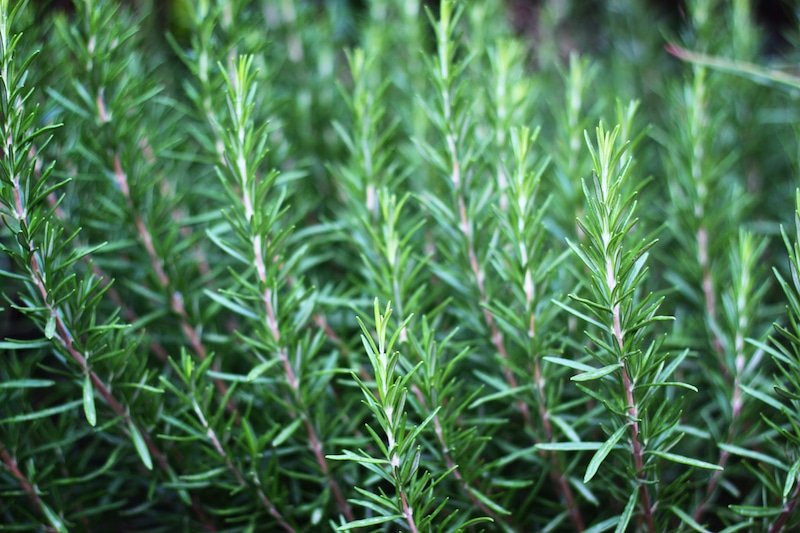
1. Rosemary (Rosmarinus officinalis)
Fragrant, flavorful, and functional, rosemary is one of the best herbs to grow for natural insect protection.
This evergreen shrub releases an aromatic oil that smells delightful to humans but repels a variety of pests, including:
-
Mosquitoes
-
Carrot flies
-
Cabbage moths
-
Ticks and fleas (to a lesser extent)
Why Rosemary Works:
The plant naturally produces cineole, camphor, and rosmarinic acid, all of which are known for their insect-repelling properties.
When brushed, the oils release into the air, creating a protective, aromatic barrier.
Growing Tips:
-
Sunlight: Full sun (6–8 hours per day)
-
Soil: Well-draining, sandy or loamy soil
-
Watering: Let the topsoil dry out before watering
-
Hardiness: Perennial in zones 7–10; can be grown in containers elsewhere
Rosemary is also great as a companion plant in vegetable gardens — it helps deter insects that damage tomatoes, cabbage, beans, and carrots.
Bonus Use:
Toss a few sprigs of rosemary on your grill or fire pit — the aromatic smoke will enhance your BBQ while naturally repelling mosquitoes.
2. Lavender (Lavandula angustifolia)
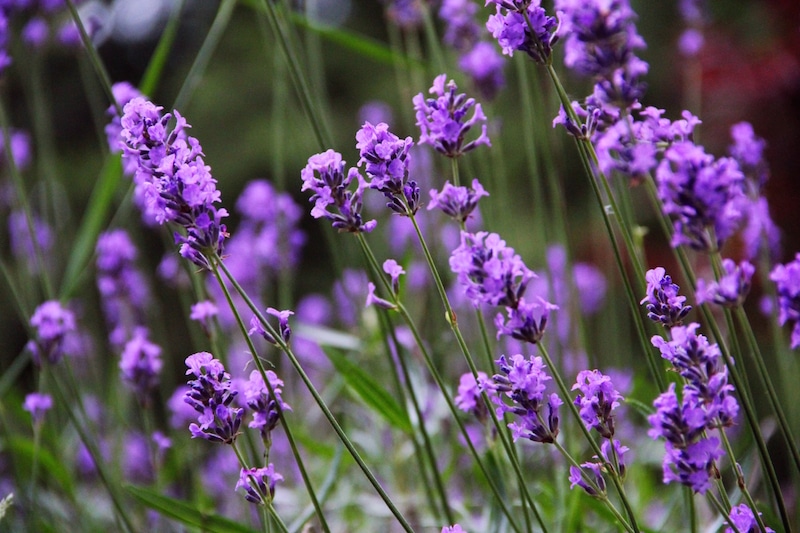
Lavender is a classic insect-repellent plant and a must-have for any garden.
The soothing purple blooms are rich in linalool and camphor, compounds that naturally repel mosquitoes, fleas, flies, moths, and even scorpions.
Why Lavender Works:
Lavender’s strong floral scent overwhelms the senses of many insects, making it difficult for them to locate their targets. It also masks the human scent that attracts mosquitoes in the first place.
Growing Tips:
-
Sunlight: Full sun (at least 6 hours daily)
-
Soil: Well-drained, alkaline soil
-
Watering: Drought-tolerant once established; water sparingly
-
Hardiness: Perennial in zones 5–9; container-friendly for colder climates
Lavender does especially well in raised beds, borders, or large containers.
Container growing allows you to move it around to high-traffic outdoor areas or bring it indoors during cold months.
Bonus Use:
Dry lavender and create DIY sachets or essential oil sprays for natural bug repellent indoors and out.
3. Lemongrass (Cymbopogon citratus)
Perhaps the most well-known natural mosquito repellent, lemongrass contains high levels of citronella, a registered natural insect-repelling oil.
It emits a fresh, lemony aroma that is pleasant to humans but overpowering to bugs.
What It Repels:
-
Mosquitoes
-
Flies
-
Gnats
-
Ticks
-
Ants
Why Lemongrass Works:
Citronella masks the scents that mosquitoes use to track humans. Unlike synthetic citronella candles, the live plant releases the compound continuously into the air around it.
Growing Tips:
-
Sunlight: Needs 6–8 hours of full sun daily
-
Soil: Well-draining, rich soil
-
Watering: Moderate; water when soil feels dry 1–2 inches down
-
Hardiness: Tender perennial in zones 9–11; grow in containers in colder zones
Lemongrass also grows in dense, clumping tufts, which can be trimmed and used in culinary dishes like Thai soups, teas, or marinades.
Bonus Use:
Crush a stalk of lemongrass and rub it directly onto your skin (do a patch test first) as a natural insect-repelling oil.

How to Maximize the Insect-Repelling Power of These Plants
1. Grow in Groups
Place several plants together near patios, decks, or outdoor seating areas to create a stronger protective aroma barrier.
2. Use Containers Strategically
Grow rosemary, lavender, and lemongrass in pots or planters and move them to the areas you’re using, like around outdoor dining tables or entryways.
3. Harvest and Use the Oils
Dry the leaves or stems and use them in sachets, oil infusions, or herbal sprays to bring the repellent properties indoors or to extend the effect beyond the garden.
4. Combine with Other Bug-Repellent Methods
While these plants are powerful allies, they’re even more effective when paired with:
-
Proper drainage to eliminate standing water (mosquito breeding ground)
-
Fans or breezes (mosquitoes struggle to fly in wind)
-
Natural candles or diffusers with plant-based essential oils
Whether you’re hosting backyard gatherings, gardening, or just relaxing outdoors, no one wants to be swarmed by mosquitoes.
Instead of spraying chemicals or using harmful repellents, let nature do the work for you.
By growing rosemary, lavender, and lemongrass, you’re not only adding texture and fragrance to your garden — you’re also cultivating a natural, eco-friendly defense system against biting insects.
These plants are:
-
Safe for families and pets
-
Attractive and multi-purpose
-
Easy to grow, even for beginners
So this summer, ditch the DEET and bring home these natural insect-repellent plants for a safer, healthier, and more enjoyable outdoor experience.