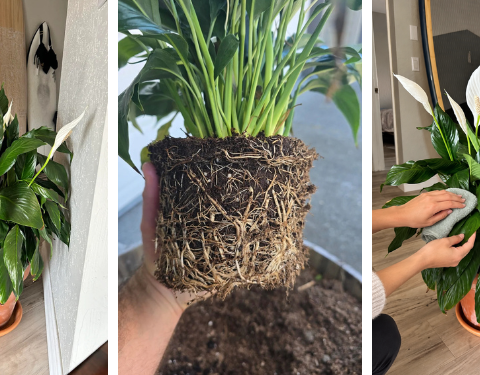
When it comes to improving your indoor environment naturally, few houseplants are as powerful and low-maintenance as Mother-in-law’s tongue, also known as the snake plant (Sansevieria trifasciata).
While many people choose this plant for its sculptural beauty and resilience, recent studies and anecdotal evidence suggest that keeping a snake plant in your bedroom may help relieve symptoms of pet allergies, asthma, and even insomnia.
In this article, we’ll explore how Mother-in-law’s tongue improves indoor air quality, supports respiratory health, and creates a sleep-friendly atmosphere—all while being one of the easiest plants to care for.
What Is Mother-in-law’s Tongue?
Mother-in-law’s tongue, or snake plant, is a hardy evergreen native to West Africa.
Recognized by its long, upright, sword-like leaves with green bands and yellow or light-green edges, it’s one of the most popular houseplants worldwide.
Botanical name: Sansevieria trifasciata
Also known as: Snake plant, viper’s bowstring hemp, Saint George’s sword
It’s not just its beauty or durability that makes it special. Snake plants are also known for their air-purifying qualities, especially their ability to convert CO₂ into oxygen at night—a rare trait among houseplants.
The Science Behind the Snake Plant’s Health Benefits
According to NASA’s famous Clean Air Study, Sansevieria trifasciata is one of the top plants for filtering indoor air.
It effectively removes toxins such as:
-
Formaldehyde
-
Benzene
-
Trichloroethylene
-
Xylene
-
Toluene
These chemicals are commonly found in household cleaners, paints, adhesives, new furniture, and even pet dander.
By absorbing and breaking down these toxins, the snake plant helps create cleaner, healthier indoor air—especially in enclosed spaces like the bedroom.
1. Helps Relieve Pet Allergies
If you suffer from pet-related allergies but can’t bear the thought of parting with your furry friend, the snake plant may offer a natural form of relief.
How it helps:
-
Reduces airborne allergens: The snake plant can trap airborne particles like pet dander, hair, and dust, reducing the amount that circulates in the air.
-
Improves air circulation: By increasing oxygen levels and lowering carbon dioxide, it supports better lung function and reduces allergic reactions.
-
Natural air filter: The plant absorbs volatile organic compounds (VOCs) that exacerbate allergies, including chemicals in pet shampoos and sprays.
Placement tip: Keep a snake plant near your pet’s favorite area in the house and one in your bedroom to minimize nighttime allergy flare-ups.
2. Eases Asthma Symptoms
Asthma is a chronic respiratory condition that can be triggered by poor air quality, allergens, and high carbon dioxide levels—especially while sleeping.
Placing a snake plant in the bedroom may help improve nighttime breathing and reduce asthma attacks.
Key benefits for asthma sufferers:
-
Produces oxygen at night: Most plants release CO₂ at night, but snake plants perform a rare type of photosynthesis (Crassulacean Acid Metabolism or CAM) that continues to release oxygen while you sleep.
-
Improves humidity balance: Indoor air can be overly dry, irritating airways. Snake plants help stabilize humidity levels naturally.
-
Removes irritants: It filters out asthma-triggering compounds like benzene and formaldehyde, often found in household products and indoor pollutants.
While it’s not a replacement for medical treatment, using air-purifying plants like the snake plant can complement asthma management strategies by creating a healthier home environment.
3. Supports Better Sleep and Reduces Insomnia
One of the most compelling reasons to keep a Mother-in-law’s tongue in your bedroom is its potential to improve sleep quality.
How the snake plant promotes restful sleep:
-
Nighttime oxygen production: As mentioned, this plant is one of the few that actively releases oxygen at night, supporting deeper and more restorative sleep.
-
Cleanses the air of pollutants: It reduces the presence of VOCs and allergens that can irritate nasal passages and disrupt breathing while you sleep.
-
Creates a calming atmosphere: The structured look and energy of the plant may help promote calmness and reduce mental clutter—key for easing into sleep.
Research in environmental psychology suggests that simply having plants in your bedroom can reduce stress and anxiety—both of which are major contributors to insomnia.
Additional Health and Wellness Benefits
Beyond allergy relief, asthma support, and better sleep, Mother-in-law’s tongue offers several other health-promoting benefits:
1. Boosts Mental Clarity and Mood
Cleaner air contributes to improved cognitive function, reduced mental fatigue, and better emotional balance. Studies show that exposure to indoor plants can increase productivity and reduce symptoms of anxiety and depression.
2. Lowers Indoor Carbon Dioxide
Excess CO₂ in bedrooms can cause grogginess and morning headaches. Snake plants help regulate CO₂ levels, especially in small, sealed rooms.
3. Low Maintenance = Less Stress
Stress from houseplant care can be real—but snake plants are extremely forgiving. They tolerate low light, infrequent watering, and varied temperatures, making them an ideal plant for even the busiest or most forgetful plant parents.
How to Care for Mother-in-law’s Tongue in the Bedroom
Light:
-
Thrives in indirect sunlight, but can survive in low-light conditions, including north-facing bedrooms.
Water:
-
Water sparingly. Let the soil dry out completely between waterings. Overwatering can cause root rot.
Temperature:
-
Prefers temperatures between 60–85°F (16–29°C). Protect from frost or sudden cold drafts.
Soil:
-
Use a well-draining potting mix (such as cactus or succulent soil) to prevent soggy roots.
Pot size:
-
Use a pot with drainage holes and repot every 2–3 years or when roots outgrow the container.
Pet caution:
-
While the plant is generally safe to touch, it is mildly toxic to pets if ingested, so keep it out of reach of curious cats or dogs.
Best Practices: Where to Place Your Snake Plant for Maximum Benefit
-
Next to the bed: Allows you to reap the oxygen benefits while you sleep.
-
Near air vents or windows: Improves air filtration and circulation.
-
On a bedside table or dresser: Provides visual calmness and nighttime oxygen boost.
-
In your pet’s hangout spot: Helps minimize allergens and dander in that area.
The Mother-in-law’s tongue is more than just a trendy houseplant—it’s a natural air purifier, sleep enhancer, and respiratory aid.
If you’re struggling with pet allergies, asthma, or insomnia, adding a snake plant to your bedroom could make a noticeable difference in your indoor air quality and overall well-being.