For centuries, Native American tribes relied on the healing power of nature to treat various ailments, from wounds and infections to digestive issues and chronic inflammation.
Long before modern medicine, indigenous healers developed extensive knowledge of plants, their medicinal properties, and how to use them effectively.
Many of these remedies are still valued today and have even been backed by scientific research.
Below are ten medicinal plants that Native Americans used extensively, offering natural healing for various health conditions.
1. Yarrow (Achillea millefolium) – The Ultimate Wound Healer
Yarrow is one of the most well-known medicinal plants used by Native American tribes. It was primarily applied as a poultice to wounds, cuts, and burns due to its powerful antibacterial and anti-inflammatory properties.
How Native Americans Used Yarrow:
- Crushed fresh leaves and applied them to open wounds to stop bleeding and prevent infection.
- Made yarrow tea to aid digestion and reduce fever.
- Used it as a remedy for toothaches and headaches.
Modern Benefits:
Yarrow contains flavonoids and alkaloids that help with wound healing, digestion, and reducing inflammation. It is also commonly used in herbal teas for cold and flu relief.
2. Echinacea (Echinacea purpurea) – Natural Immune Booster
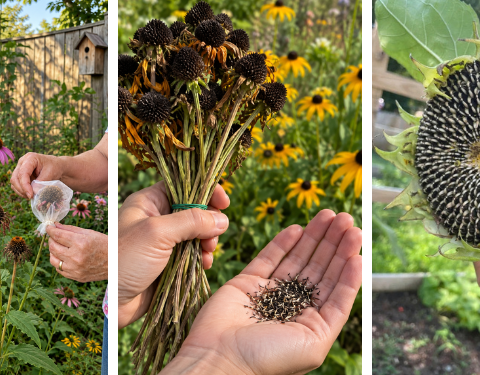
Echinacea, also known as purple coneflower, was a go-to remedy for boosting immunity and fighting infections. Native Americans valued it as a cure-all herb for respiratory conditions and wound healing.
How Native Americans Used Echinacea:
- Brewed echinacea tea to treat coughs, colds, and sore throats.
- Used as an antiseptic wash for wounds and insect bites.
- Chewed the roots for toothaches and gum infections.
Modern Benefits:
Echinacea is still widely used today to strengthen the immune system and reduce the severity of colds and flu. Studies show that it has antiviral and antibacterial properties, making it an excellent natural remedy for infections.
3. White Willow Bark (Salix alba) – The Original Aspirin
Native Americans used white willow bark as a natural pain reliever and anti-inflammatory agent. This plant contains salicin, which is chemically similar to aspirin and was traditionally used to treat headaches, fever, and joint pain.
How Native Americans Used White Willow Bark:
- Brewed into a tea to relieve fevers, inflammation, and pain.
- Used as a poultice for sore muscles and arthritis.
- Applied to gums to relieve toothaches.
Modern Benefits:
White willow bark remains a popular natural alternative to aspirin, offering pain relief for conditions like arthritis, back pain, and migraines.
4. Sage (Salvia officinalis) – A Sacred Healer
Sage is not only a culinary herb but also a powerful medicinal plant with antimicrobial, anti-inflammatory, and antioxidant properties. Native Americans used sage for both spiritual and medicinal purposes.
How Native Americans Used Sage:
- Burned as smudge sticks to cleanse the air and ward off illness.
- Made sage tea to treat sore throats, colds, and digestive issues.
- Used it as a poultice for wounds and skin infections.
Modern Benefits:
Sage is still used today to improve memory, reduce inflammation, and support respiratory health. Its antibacterial properties make it a natural remedy for colds and sore throats.
5. Black Cohosh (Actaea racemosa) – Women’s Health Remedy
Black cohosh was widely used by Native American tribes as a remedy for women’s health issues, including menstrual cramps, menopause symptoms, and childbirth pains.
How Native Americans Used Black Cohosh:
- Brewed as a tea to ease menstrual pain and childbirth labor.
- Used as a tonic for menopause symptoms like hot flashes.
- Applied externally to relieve joint pain and inflammation.
Modern Benefits:
Black cohosh is still used as a natural remedy for hormonal balance, PMS, and menopausal relief, and studies support its effectiveness in reducing hot flashes.
6. Peppermint (Mentha piperita) – Natural Digestive Aid
Peppermint was a highly valued plant among Native American tribes for its cooling and soothing properties, particularly for digestion and respiratory health.
How Native Americans Used Peppermint:
- Brewed into a tea for indigestion, nausea, and bloating.
- Inhaled as a steam treatment for congestion and headaches.
- Used as a poultice for sore muscles and insect bites.
Modern Benefits:
Peppermint is widely used for relieving digestive issues, reducing headaches, and supporting respiratory function. It is a common ingredient in teas and essential oils.
7. Goldenseal (Hydrastis canadensis) – Nature’s Antibiotic
Goldenseal was often used as a natural antibiotic by Native Americans, thanks to its strong antimicrobial properties. It was commonly used to treat infections, colds, and digestive issues.
How Native Americans Used Goldenseal:
- Made into a tea for colds, respiratory infections, and sore throats.
- Used as a topical antiseptic for cuts and wounds.
- Applied as an eye wash to treat eye infections and inflammation.
Modern Benefits:
Goldenseal remains popular as a natural immune booster and infection fighter, often combined with echinacea in herbal supplements.
8. Feverfew (Tanacetum parthenium) – Migraine and Pain Relief
Feverfew was a common remedy among Native American healers for fevers, migraines, and pain relief.
How Native Americans Used Feverfew:
- Brewed into a tea to reduce fever and inflammation.
- Used as a poultice for arthritis and joint pain.
- Consumed for headache and migraine relief.
Modern Benefits:
Feverfew is widely used today to reduce migraines, lower inflammation, and alleviate menstrual cramps.
9. Wild Ginger (Asarum canadense) – The Herbal Antibiotic
Wild ginger was another essential plant for Native American medicine, primarily used as an antibacterial and anti-inflammatory remedy.
How Native Americans Used Wild Ginger:
- Used as a tea for colds, flu, and digestive issues.
- Applied to wounds to prevent infections.
- Used as an anti-nausea remedy for motion sickness.
Modern Benefits:
Wild ginger is still valued today for digestive health, reducing inflammation, and treating infections naturally.
Native Americans had a deep connection with nature and understood how to use plants effectively for healing. Many of their remedies are now validated by modern science and remain widely used today.
Whether for immune support, pain relief, digestive health, or skin care, these traditional plants continue to be powerful natural solutions.
By incorporating some of these medicinal plants into daily life, individuals can benefit from centuries of healing wisdom and improve overall well-being.