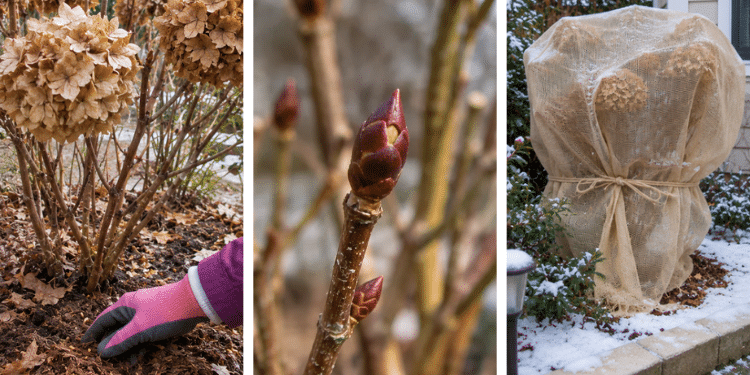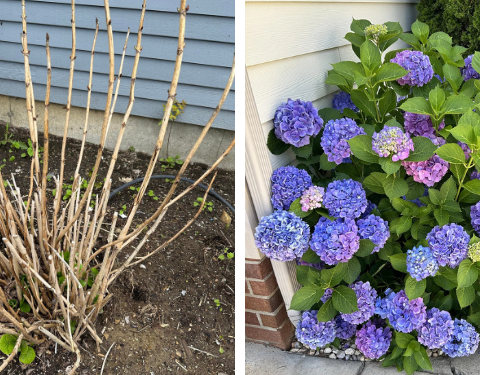

Hydrangeas may look bare and lifeless in December, but beneath the soil and along their dormant branches, these beautiful shrubs are preparing for another growing season.
While most gardening activities slow down during winter, December is an important month for protecting hydrangeas from freezing temperatures, harsh winds, and excessive moisture.
For many hydrangea varieties, the flower buds that will produce next summer’s blooms have already formed. Unfortunately, improper pruning or severe winter weather can damage these buds before spring arrives.
The secret to gorgeous hydrangeas next year is protecting their roots, branches, and developing flower buds throughout winter.
Here are seven important things to do with your hydrangeas in December to keep them healthy and encourage beautiful blooms next year.
1. Resist the Temptation to Prune
When hydrangeas lose their leaves and their flowers turn brown, many gardeners are tempted to cut everything back.
However, December pruning can be a costly mistake, particularly if you grow hydrangeas that bloom on old wood.
Bigleaf, mountain, and oakleaf hydrangeas generally develop their flower buds during the previous growing season. Cutting healthy branches now could remove next year’s flowers.
What to Do
- Leave healthy branches intact.
- Remove broken or clearly diseased stems.
- Avoid cutting the entire shrub down to the ground.
- Wait until spring to assess questionable winter damage.
Panicle and smooth hydrangeas bloom on new wood and can be pruned during dormancy, although late winter or early spring is often preferable.
December note: If you don’t know which hydrangea variety you have, leave it unpruned until you can identify it.
Important: A bare, brown-looking branch isn’t necessarily dead. Dormant hydrangea stems can look lifeless while containing healthy flower buds.
2. Add a Protective Layer of Winter Mulch
Hydrangeas have relatively shallow root systems that benefit from insulation during cold weather.
Repeated freezing and thawing can stress the roots, particularly in newly planted shrubs.
A protective layer of mulch helps stabilize soil temperatures, retain moisture, and reduce winter stress.
Best Mulching Materials
- Shredded autumn leaves
- Pine bark
- Wood chips
- Pine needles
- Clean straw
Spread approximately 2–4 inches of organic mulch around the root zone, depending on your climate and existing mulch.
Keep the material a few inches away from the main stems to prevent excessive moisture accumulation.
December note: In colder regions, winter mulch is particularly useful once the soil has cooled and the plant has entered dormancy.
Common mistake: Don’t pile wet leaves or thick mulch directly against the base of your hydrangea. This can encourage decay.
3. Protect Flower Buds From Freezing Temperatures
Some hydrangeas are more sensitive to winter temperatures than others.
Bigleaf and mountain hydrangeas are particularly vulnerable because many varieties carry next year’s flower buds on existing branches.
Severe winter cold can destroy these buds without killing the entire plant.
This is one reason hydrangeas sometimes produce plenty of green leaves in spring but very few flowers in summer.
How to Protect Hydrangeas in Winter
- Install a wire enclosure around vulnerable shrubs.
- Loosely fill it with dry leaves or clean straw for insulation.
- Use burlap to create a protective wind barrier.
- Secure protective materials so strong winds cannot remove them.
- Avoid wrapping branches tightly.
Winter protection is especially beneficial for cold-sensitive varieties growing near the colder limits of their USDA hardiness zones.
December note: Mulching protects the roots, but it doesn’t necessarily protect flower buds located higher on the branches.
Important: Avoid wrapping hydrangeas in airtight plastic. Trapped moisture and temperature fluctuations can damage the plant.
4. Check Soil Moisture During Dry Winter Weather
Although hydrangeas are dormant in December in many regions, their roots can still benefit from adequate moisture.
Dry winter conditions, especially when combined with strong winds, can stress newly planted shrubs.
However, watering too frequently during cold weather can also create problems.
What to Do
Check the soil several inches below the surface.
If the ground is unfrozen and the soil feels unusually dry, water slowly and deeply around the root zone.
If regular rainfall or melting snow provides enough moisture, additional watering is unnecessary.
Watering guidelines:
- Water during milder winter days when necessary.
- Never water frozen ground.
- Avoid keeping the soil constantly saturated.
- Pay particular attention to newly planted hydrangeas.
December note: Hydrangeas require considerably less water during dormancy than during active summer growth.
Helpful tip: Container-grown hydrangeas may dry out faster than shrubs planted directly in the ground.
5. Leave Dried Flower Heads in Place
Those faded hydrangea flowers may no longer have their summer colors, but there’s no need to remove them immediately.
Dried flower heads add texture and beauty to the winter garden, particularly when covered with frost or light snow.
Leaving them in place also reduces the risk of accidentally removing healthy buds beneath the flowers.
What to Do
- Leave dried flowers attached to healthy stems.
- Remove flower heads only if necessary.
- Avoid cutting deeply into branches.
- Save routine deadheading for the appropriate season.
If heavy, wet snow accumulates on dried flower heads and threatens to break branches, gently brush it away when the stems are not frozen or brittle.
December note: Dried flower heads aren’t reliable frost insulation. Their main benefits are winter interest and helping gardeners avoid unnecessary pruning.
Helpful tip: You can also collect a few dried blooms for indoor arrangements without heavily pruning the shrub.
6. Give Container-Grown Hydrangeas Extra Protection
Hydrangeas growing in pots are generally more vulnerable to freezing temperatures than those planted in garden beds.
That’s because their roots are exposed to cold from the sides and bottom of the container.
Even a variety that survives winter outdoors in the ground may struggle in an unprotected pot.
How to Protect Potted Hydrangeas
- Move containers to a sheltered location.
- Insulate the outside of the pot with suitable protective material.
- Add mulch over the soil surface.
- Group containers together for additional protection.
- Consider moving vulnerable plants into a cool, unheated garage.
Check soil moisture occasionally and ensure drainage holes remain unobstructed.
December note: Dormant hydrangeas don’t need the warmth of a heated living room. Excessive warmth may encourage premature growth.
Important: A cool, protected location that prevents severe root freezing is generally preferable to a warm indoor environment.
7. Stop Fertilizing and Allow Natural Dormancy
December is a resting period for hydrangeas in most temperate climates.
The plants are conserving energy rather than actively producing new leaves and flowers.
Applying fertilizer now is unlikely to improve next year’s flowering and may encourage unwanted growth during unusually mild weather.
What to Do
- Avoid nitrogen-rich fertilizers.
- Stop applying liquid plant food.
- Avoid fresh manure around the roots.
- Resume appropriate feeding when active growth returns in spring.
If your hydrangeas performed poorly last summer, consider testing the soil before applying fertilizer next year.
December note: More fertilizer doesn’t automatically mean more flowers. Excessive nitrogen can encourage leafy growth at the expense of flowering.
Helpful tip: Proper pruning, sufficient sunlight, healthy roots, and winter bud protection are often more important than additional fertilizer.
December Care According to Your Hydrangea Variety
Not all hydrangeas require the same winter care.
- Bigleaf hydrangeas: Avoid pruning and protect existing flower buds.
- Mountain hydrangeas: Preserve healthy stems and provide protection in colder climates.
- Oakleaf hydrangeas: Avoid heavy pruning because they flower on old wood.
- Panicle hydrangeas: Generally cold-hardy and flower on new growth.
- Smooth hydrangeas: Bloom on new growth and usually require less protection for flower buds.
- Reblooming hydrangeas: Can flower on both old and new wood, but preserving existing buds may encourage earlier blooms.
Important note: Winter protection should depend on your specific cultivar, USDA hardiness zone, and local weather conditions.
5 Common December Hydrangea Mistakes to Avoid
- Pruning healthy branches: You may accidentally remove next year’s flowers.
- Ignoring potted hydrangeas: Container roots are more exposed to freezing temperatures.
- Overwatering dormant plants: Cold, saturated soil can damage roots.
- Applying fertilizer: Winter is generally a resting period, not a feeding season.
- Using airtight plastic covers: Poor ventilation can trap excessive moisture.
Hydrangeas don’t require much attention in December, but the care they receive now can influence their performance next summer.
Your hydrangeas may look asleep in December, but next year’s beautiful blooms could already be waiting inside those dormant buds.