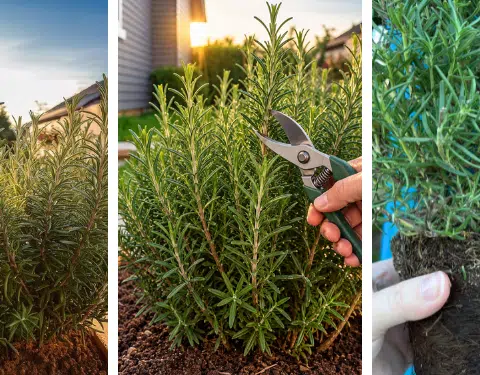
Rosemary (Rosmarinus officinalis), with its fragrant foliage and versatile culinary uses, is a favorite among home gardeners and chefs alike.
Whether you’re growing it for seasoning roasted vegetables, adding depth to sauces, or simply enjoying its evergreen beauty, rosemary is a must-have herb.
But buying new plants every season can be costly, and sometimes the local garden center doesn’t have the healthiest specimens.
The good news? You can multiply your rosemary plants at home for free, using one simple technique: propagation.
Propagating rosemary from cuttings is a rewarding and cost-effective way to grow an entire garden of rosemary from just one plant.
This method is easy for both beginners and experienced gardeners. With the right steps, tools, and environment, you can transform a single rosemary plant into a thriving collection of healthy, productive herbs.
This detailed guide will walk you through everything you need to know about how to propagate rosemary successfully and turn one plant into dozens.
Why Propagate Rosemary?
Rosemary is a woody perennial herb, and while it can be grown from seed, it’s notoriously slow to germinate and even slower to reach a usable size.
Seed-grown rosemary also varies in flavor and quality. Propagating from cuttings ensures you get an exact clone of the parent plant, preserving its flavor, vigor, and resilience.
Other benefits include:
- Cost savings: No need to buy multiple plants.
- Sustainability: Reduce reliance on commercial growers.
- Preservation: Clone rare or heirloom rosemary varieties.
- Garden expansion: Fill your yard, patio, or indoor herb garden with fragrant greenery.
When to Propagate Rosemary
The best time to propagate rosemary is during its active growing season, which typically spans from spring to early summer.
During this time, the plant is producing tender new growth that roots easily. However, propagation can also be done indoors year-round with the right lighting and warmth.
Avoid propagating during the colder winter months when the plant’s growth slows and energy is directed toward survival rather than root development.
What You’ll Need
To successfully propagate rosemary, gather the following supplies:
- A healthy, mature rosemary plant
- Sharp scissors or garden snips
- A clean glass or jar (for water propagation)
- Small pots (for soil propagation)
- Well-draining potting mix (herb or cactus mix works well)
- Rooting hormone (optional, but helpful)
- A spray bottle for misting
- A plastic bag or humidity dome (optional for retaining moisture)
Now, let’s dive into the step-by-step process.
Step 1: Select the Right Cutting
Choose healthy, non-flowering stems from the parent plant. Look for green, pliable stems that are about 4–6 inches long.
These younger stems, known as softwood or semi-hardwood, root more easily than older, woody branches.
Make your cut just below a node (the area where leaves emerge). Each cutting should have several sets of leaves, but avoid using any portion with flowers, as they divert energy away from root formation.
Step 2: Prepare the Cutting
Once you’ve taken your rosemary cuttings:
- Strip off the leaves from the lower 2 inches of the stem.
- If the tip of the cutting is flowering or excessively long, snip it back slightly to focus energy on root development.
- Optionally, dip the stripped end of the stem in rooting hormone powder to promote faster root growth and prevent fungal issues.
The cutting is now ready for planting or rooting in water.
Step 3: Choose Water or Soil Propagation
There are two popular methods to propagate rosemary: in water or soil. Both methods are effective, and choosing one depends on your preference and conditions.
Water Propagation
- Fill a clean jar or glass with fresh, room-temperature water.
- Place the cuttings in the jar with only the stripped portion submerged.
- Set the jar in a bright spot with indirect sunlight.
- Change the water every 2–3 days to prevent bacterial buildup.
Within 7 to 21 days, you should start to see small white roots forming at the base of the cutting. Once the roots are about 2 inches long, transplant the cutting into soil.
Soil Propagation
- Fill a small pot with moist, well-draining potting mix.
- Create a small hole using your finger or a stick.
- Insert the cutting about 2 inches deep into the soil.
- Firm the soil around the base and mist it with water.
- Cover with a plastic bag or place in a mini greenhouse to retain humidity.
Keep the soil lightly moist but not soggy. Place the pot in a warm, bright area, avoiding direct sunlight until the plant establishes roots (usually 2–4 weeks).
Step 4: Transplanting and Growing On
Once your rosemary cuttings have developed strong roots – either in water or soil – they’re ready to be transplanted to larger containers or directly into your garden.
Tips for successful transplanting:
- Use containers with good drainage holes.
- Choose a sunny location with at least 6–8 hours of sunlight per day.
- Use light, well-aerated soil with excellent drainage.
- Water deeply but allow the soil to dry between watering sessions.
In colder regions, bring potted rosemary plants indoors during winter or protect them with mulch and frost covers outdoors.
Step 5: Encourage Bushier Growth
To help your young rosemary plants grow fuller and bushier:
- Begin pruning once the plant reaches 6–8 inches tall.
- Pinch back the growing tips regularly to encourage lateral branching.
- Avoid letting the plant flower early, as this can slow vegetative growth.
- Harvest often, as this stimulates the production of new stems.
Consistent pruning and harvesting will not only yield a steady supply of fragrant sprigs for your kitchen but will also shape your rosemary into a compact, attractive plant.
Troubleshooting Common Problems
While rosemary is relatively hardy, here are a few common issues to watch out for:
- Cuttings rotting in water: Change water frequently, and avoid submerging leaves.
- Wilting after transplanting: Acclimate new plants slowly to sunlight; don’t overwater.
- Slow or no rooting: Ensure your cuttings are from fresh, green stems and kept in warm, humid environments.
- Powdery mildew or fungal growth: Provide good air circulation and avoid misting leaves excessively.
Propagating rosemary is not only a simple and satisfying gardening project – it’s also a powerful way to multiply your herb garden without spending a dime.
From just one parent plant, you can grow dozens of new rosemary plants to gift, expand your garden, or even start a mini herb business.
With its incredible aroma, resilience, and culinary value, rosemary deserves a spot in every home gardener’s collection. Once you learn the basics of propagation, you’ll never need to buy another rosemary plant again.
Start with one cutting, follow the steps, and soon, your windowsill, balcony, or garden beds will be filled with lush, thriving rosemary plants.