Hollyhocks stand tall like floral sentinels in the garden, waving gently in the breeze with their vibrant towers of blossoms.
They bring a touch of nostalgia and old-fashioned charm, reminiscent of cottage gardens and historic estates.
These striking plants come in a dazzling array of colors – from soft pastels to dramatic deep hues – and attract bees, butterflies, and hummingbirds in droves.
Though their statuesque beauty might suggest otherwise, hollyhocks are surprisingly easy to grow.
With the right conditions and a little knowledge, even beginner gardeners can enjoy these spectacular blooms towering over garden fences, nestled against walls, or standing proud in a perennial border.
Understanding Hollyhock
Hollyhock (botanical name Alcea) belongs to the mallow family (Malvaceae), which includes hibiscus, okra, and cotton.
The most commonly grown garden hollyhock is Alcea rosea, a plant beloved for its soaring flower spikes.
Hollyhocks grow anywhere from 4 to 8 feet tall, depending on variety and growing conditions. Each towering stem is lined with large, disc-shaped flowers that open in succession from bottom to top.
Their blooms appear in summer and can continue into early autumn, giving gardens weeks of color.
Though traditionally considered biennials (growing foliage the first year, flowering and setting seed the second), some modern cultivars behave like short-lived perennials, flowering sooner if started early indoors.
Selecting Hollyhock Varieties
Choosing the right hollyhock variety depends on the look you want and the space you have.
Here are some popular options:
- Chater’s Double Mix: Tall stems covered in fully double blooms in shades of pink, red, yellow, and white.
- Nigra: A heritage variety with dramatic deep maroon-black flowers, grown for centuries.
- Halo Series: Single blooms featuring contrasting colored centers, adding depth and drama.
- Majorette Mix: Dwarf variety ideal for containers or small gardens, with semi-double blooms.
Single-flowered types are especially attractive to pollinators, while double-flowered varieties add lush texture and fullness to flower beds.
The Best Time to Plant Hollyhocks
The timing of planting hollyhocks depends on how you’re growing them:
- Spring planting: Sow seeds indoors 6-8 weeks before your last frost date, then transplant outdoors.
- Direct sowing: Sow seeds outdoors after frost danger has passed in spring.
- Autumn sowing: In mild climates, seeds can be sown in late summer or early fall for blooms the following year.
Choosing a Planting Site
Hollyhocks thrive in sunny spots. While they’ll tolerate light shade, full sun ensures strong growth and vibrant blooms. Aim for at least six hours of direct sunlight each day.
They prefer fertile, well-draining soil enriched with organic matter. If your soil is heavy clay, improve drainage by mixing in compost or aged manure. While hollyhocks are adaptable, they flourish in soil with a pH between 6.0 and 7.5.
Because of their height, hollyhocks are best planted where they’ll be protected from strong winds. Fences, walls, or other sturdy structures can help support these towering stems.
How to Plant Hollyhock Seeds
Direct Sowing Outdoors
- Prepare the soil: Loosen the top few inches of soil and work in compost.
- Sow seeds: Scatter seeds thinly and cover lightly with ¼ inch of soil.
- Spacing: Space plants 18-24 inches apart for airflow and room to grow.
- Water gently: Keep the soil consistently moist until seedlings emerge.
Seeds germinate in about 10-14 days under warm conditions.
Starting Seeds Indoors
Starting seeds indoors offers earlier blooms:
- Fill seed trays with seed-starting mix.
- Sow seeds ¼ inch deep.
- Keep moist and warm (65-70°F).
- Transplant seedlings outside once frost danger has passed.
Transplant seedlings 18-24 inches apart and water thoroughly after planting.
Planting Nursery Starts
If buying hollyhock seedlings from a nursery:
- Dig holes slightly larger than the plant’s root ball.
- Space 18-24 inches apart.
- Plant at the same depth they were growing in their containers.
- Water thoroughly to settle the soil.
Caring for Hollyhocks
Hollyhocks are surprisingly low-maintenance. Here’s how to keep them thriving:
Watering
Young plants need consistent moisture, especially during dry periods. Water deeply to encourage deep roots but avoid waterlogging.
Mulching
A layer of organic mulch:
- Conserves soil moisture
- Suppresses weeds
- Protects roots from temperature extremes
Keep mulch a few inches away from plant stems to prevent rot.
Fertilizing
Work compost into the soil before planting. During the growing season, an occasional feeding with a balanced fertilizer supports vigorous growth and flowering.
Avoid over-fertilizing with high-nitrogen fertilizers, which encourage lush foliage at the expense of flowers.
Staking Tall Plants
Hollyhocks can grow several feet tall, making staking essential in windy areas:
- Install stakes early to avoid damaging roots later.
- Use soft ties to loosely secure stems to stakes.
- Alternatively, grow near a fence or wall for natural support.
Bloom Time and Flowering
Hollyhocks bloom from mid-summer into early autumn. Flowers open from the bottom of the stalk upward, giving an extended display. Each flower lasts a few days, but with multiple buds, plants keep blooming for weeks.
Biennial varieties usually bloom in their second year. However, some may bloom the first year if started indoors early.
Managing Common Problems
While hollyhocks are resilient, they can be prone to certain pests and diseases.
Rust (Puccinia malvacearum)
This fungal disease causes orange-brown spots on leaves.
To minimize rust:
- Plant hollyhocks with good air circulation.
- Avoid overhead watering.
- Remove and discard affected leaves promptly.
- Clean up plant debris at season’s end.
Some modern cultivars have better rust resistance.
Japanese Beetles
These pests feed on leaves and flowers. To manage:
- Hand-pick beetles in the morning.
- Use row covers during peak infestation periods.
Aphids
Clusters of small green insects may appear on stems and leaves. Control by:
- Spraying with a strong jet of water.
- Applying insecticidal soap.
Deadheading and Pruning
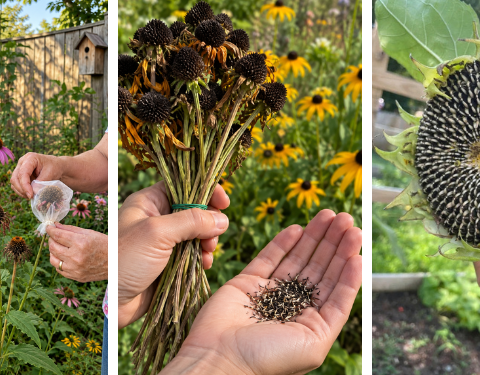
Deadheading spent flowers encourages additional blooming and prevents excessive self-seeding. If you’d like to save seeds, allow some flowers to mature and produce seed pods.
Cutting back stems after flowering can tidy up the garden and reduce overwintering pests or diseases.
Saving Hollyhock Seeds
Hollyhock seeds are easy to collect:
- Wait until seed pods dry and turn brown on the plant.
- Break open pods and remove seeds.
- Store seeds in a cool, dry place for planting next season.
Growing Hollyhocks in Containers
While traditional hollyhocks can grow quite tall, dwarf varieties like Majorette Mix are suitable for pots.
To grow hollyhocks in containers:
- Use large pots (at least 12-16 inches deep).
- Fill with high-quality potting soil.
- Water regularly, as containers dry out faster.
- Stake taller varieties for support.
Container hollyhocks add vertical interest to patios, balconies, and entryways.
Companion Planting
Hollyhocks pair beautifully with other cottage garden classics:
- Delphiniums
- Foxgloves
- Shasta daisies
- Lavender
- Roses
Together, they create a tapestry of color, height, and texture that’s visually stunning.
Hollyhocks and Wildlife
Beyond their beauty, hollyhocks attract bees, butterflies, and hummingbirds, making them excellent plants for pollinator gardens.
Their tall spikes also provide shelter for beneficial insects and add biodiversity to your garden ecosystem.
How Long Do Hollyhocks Live?
Although traditionally biennial, many hollyhocks act as short-lived perennials and may return for several seasons under the right conditions.
Even when individual plants die, self-seeding ensures new plants appear each year, maintaining a continuous display.
Tips for Success
- Give hollyhocks plenty of space to promote airflow.
- Grow in full sun for best flowering.
- Keep soil moist but well-drained.
- Stake tall stems early in the season.
- Remove diseased leaves promptly.
- Encourage self-seeding if you want recurring blooms.
Hollyhocks are more than just flowers – they’re a piece of horticultural history and a symbol of classic garden beauty.
They transform fences and walls into living walls of color and add vertical drama to beds and borders.
Whether you’re growing towering spikes in a country garden or dwarf varieties in containers, hollyhocks bring unrivaled charm and elegance.
With proper planting and care, you can enjoy these stunning blooms year after year.