Spider plants (Chlorophytum comosum) are among the most popular houseplants, cherished for their arching green-and-white striped leaves, easy-care nature, and air-purifying benefits.
But while they’re naturally beautiful, you may notice that over time, their leaves can look dull, dusty, or lose their vibrant luster.
If you’re wondering how to make spider plant leaves shiny and brighter, the solution lies in a combination of proper cleaning, optimal growing conditions, and natural shine-enhancing techniques.
Why Do Spider Plant Leaves Lose Their Shine?
Before we jump into solutions, it’s important to understand the common reasons spider plant leaves appear dull:
- Dust accumulation: Indoor dust settles quickly on broad spider plant leaves, blocking light and reducing photosynthesis.
- Low humidity: Dry indoor air, especially in winter, strips leaves of their natural sheen.
- Improper watering: Both overwatering and underwatering cause leaf stress, leading to dullness or brown tips.
- Poor lighting: Spider plants in too little light grow weak and pale; in too much direct light, they scorch.
- Nutrient deficiencies: Lack of nitrogen, magnesium, or potassium reduces color intensity and leaf gloss.
- Pests and diseases: Sap-sucking insects or fungal issues leave leaves spotted and lifeless.
By addressing these root causes, you’ll naturally restore and maintain your plant’s vibrancy.
12 Proven Tips to Make Spider Plant Leaves Shiny and Brighter
1. Wipe the Leaves Regularly
Dust is one of the biggest culprits behind dull spider plant leaves. A clean leaf surface not only looks shinier but also allows for efficient photosynthesis.
How to Do It:
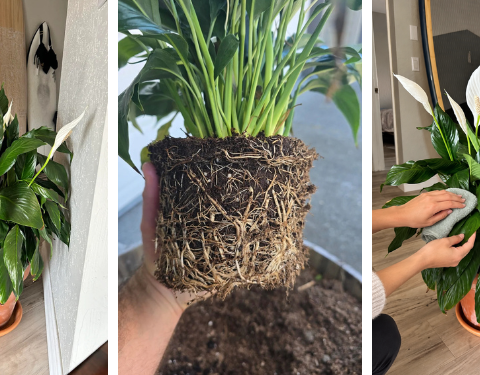
- Use a soft, damp microfiber cloth to wipe each leaf individually.
- Support the leaf with your other hand to avoid bending.
- For sticky residue, add a drop of mild dish soap to water, wipe, then rinse with clean water.
Pro Tip: Avoid harsh chemicals or commercial “leaf shine” sprays – they clog stomata and suffocate the plant.
2. Mist the Leaves to Increase Humidity
Spider plants originate from humid tropical regions, so dry household air makes their leaves dull and crispy.
How to Do It:
- Mist the plant lightly once or twice a day with room-temperature water.
- Place near a humidifier, especially in winter.
- Use a pebble tray: Fill a shallow tray with water and pebbles, and place the pot on top (without touching the water).
Why It Works: Higher humidity keeps leaves supple, glossy, and resistant to browning tips.
3. Provide Bright, Indirect Light
Light plays a major role in leaf color and shine. Without enough light, spider plants fade; too much direct sun scorches them.
How to Do It:
- Place your spider plant near an east- or north-facing window.
- In bright but hot windows, filter sunlight with a sheer curtain.
- Use full-spectrum LED grow lights if your home lacks natural light.
Result: The right light ensures vibrant green-and-white striping and glossy surfaces.
4. Follow Proper Watering Practices
Improper watering leads to stress, brown leaf tips, and a dull plant. Spider plants like consistent moisture – but never soggy soil.
How to Do It:
- Water when the top 1 inch of soil feels dry.
- Use rainwater, distilled, or filtered water (tap water often contains fluoride and chlorine, which spider plants dislike).
- Water thoroughly, letting excess drain from the pot.
- In winter, reduce watering slightly since growth slows.
Pro Tip: A moisture meter is a handy tool to avoid overwatering.
5. Fertilize for Healthy, Glossy Leaves
Nutrients – especially nitrogen, magnesium, and potassium – help produce rich color and sheen in foliage.
How to Do It:
- Use a balanced, water-soluble houseplant fertilizer (10-10-10 or 20-20-20).
- Apply every 4 weeks in spring and summer.
- Dilute to half strength to prevent fertilizer burn.
- Stop feeding in fall and winter when growth slows.
Extra Trick: Add a teaspoon of Epsom salt (magnesium sulfate) dissolved in a liter of water once every 2 months. Magnesium boosts chlorophyll production and intensifies green coloring.
6. Remove Brown or Yellow Leaves
Old or unhealthy leaves drain energy from the plant and dull its overall look.
How to Do It:
- Snip off yellow or brown leaves at the base with sterilized scissors.
- Trim brown leaf tips diagonally to mimic the leaf’s natural shape.
- Regularly inspect for stressed foliage and remove promptly.
Result: Newer leaves get more energy and grow glossier.
7. Repot When Root-Bound
Spider plants grow rapidly and become root-bound, which limits nutrient uptake and causes leaves to dull.
How to Do It:
- Check roots every 1–2 years. If they’re circling the pot or poking out of drainage holes, it’s time to repot.
- Choose a pot 1–2 inches larger in diameter.
- Use a well-draining mix (2 parts peat-free potting soil + 1 part perlite + 1 part compost).
Why It Works: Fresh soil and more root space give your plant the boost it needs for glossy leaves.
8. Rotate the Plant Regularly
Spider plants naturally lean toward light sources. Without rotation, one side becomes lush while the other dulls.
How to Do It:
- Rotate the pot a quarter turn every 1–2 weeks.
- This ensures even light distribution and uniform leaf color.
9. Give Your Spider Plant an Occasional Shower
Indoor pollutants, dust, and pests accumulate on leaves. A gentle shower mimics natural rainfall and refreshes foliage.
How to Do It:
- Place your spider plant in a shower or sink.
- Rinse with lukewarm water for a few minutes.
- Allow the plant to drain fully before returning it to its spot.
Bonus: This also washes away pests like spider mites or aphids.
10. Control Pests Naturally
Pests not only damage leaves but also rob them of shine.
How to Do It:
- Inspect regularly, especially leaf undersides.
- If you spot pests, wipe leaves with neem oil solution (1 tsp neem oil + few drops dish soap + 1 liter water).
- Isolate heavily infested plants until they recover.
11. Encourage Healthy Offshoots
Spider plants are famous for producing “spiderettes” (baby plantlets). While charming, too many can exhaust the parent plant.
How to Do It:
- Prune off excess plantlets to redirect energy to glossy foliage.
- Root the spiderettes in water or soil to create new plants.
Why It Works: A balanced plant produces fewer dull leaves and more vibrant, healthy ones.
12. Try Natural Leaf Shiners
Instead of synthetic sprays, use safe, natural methods to enhance shine:
- Banana Peel Rub: Wipe leaves with the inside of a banana peel to buff and nourish them.
- Milk Solution: Mix 1 part milk with 2 parts water, dampen a cloth, and wipe leaves. Milk proteins restore luster naturally.
- Coconut Water: A diluted wipe with coconut water hydrates and adds glow.
Bonus: Seasonal Care Tips for Maximum Shine
- Spring & Summer: Growth is active – feed monthly, mist often, and repot if needed.
- Fall: Reduce feeding, but continue cleaning and misting for shine.
- Winter: Growth slows – water sparingly, avoid drafts, and boost humidity.
Troubleshooting Dull Spider Plant Leaves
| Problem | Likely Cause | Solution |
|---|---|---|
| Brown tips | Fluoride/chlorine in water, low humidity, overfertilizing | Use filtered water, increase humidity, reduce fertilizer |
| Pale leaves | Low light, nutrient deficiency | Move to brighter spot, fertilize monthly |
| Yellow leaves | Overwatering, poor drainage | Let soil dry, repot with well-draining soil |
| Limp/droopy plant | Underwatering or root-bound | Water deeply, repot if crowded |
A spider plant with shiny, vibrant leaves is a sign of excellent care and proper growing conditions.
By combining regular cleaning, humidity maintenance, correct watering, balanced nutrition, pest control, and natural shine enhancers, you’ll ensure your spider plant remains a stunning, glossy centerpiece in your indoor garden.