Rosemary (Rosmarinus officinalis) is one of the most popular and versatile herbs in both culinary and ornamental gardening.
Known for its fragrant, needle-like leaves and delicate blue flowers, rosemary is a Mediterranean native that thrives in sunny, well-drained environments.
It’s a hardy, drought-tolerant perennial in many regions and a wonderful addition to herb gardens, containers, borders, and even as a decorative hedge.
Whether you’re growing rosemary indoors or outdoors, this evergreen shrub is easy to care for with the right techniques.
This comprehensive guide will teach you how to grow rosemary successfully, from planting and propagation to pruning and overwintering.
Choosing the Right Rosemary Variety
There are several varieties of rosemary to choose from, each with different growth habits and uses.
Upright types are best for garden beds and culinary use, while trailing varieties work well in hanging baskets or as ground cover.
Popular varieties include:
- ‘Arp’: Cold-hardy with light green leaves and strong aroma.
- ‘Tuscan Blue’: Upright with deep blue flowers and rich flavor.
- ‘Prostratus’: Low-growing, spreading form ideal for cascading over walls.
- ‘Blue Spires’: Tall, upright, excellent for landscaping.
Select a variety suited to your climate and space. Most culinary rosemary types are upright and bushy, providing easy access for harvesting.
Growing Rosemary from Seed or Cuttings
Rosemary can be started from seed, but it germinates slowly and unevenly. Growing from cuttings is faster and more reliable.
Growing from Seed:
- Start seeds indoors 10–12 weeks before the last frost.
- Sow seeds in light, well-draining seed-starting mix.
- Keep soil moist but not soggy and maintain temperatures around 70°F (21°C).
- Germination can take 2–4 weeks.
Growing from Cuttings:
- Take 4–6 inch cuttings from healthy rosemary stems.
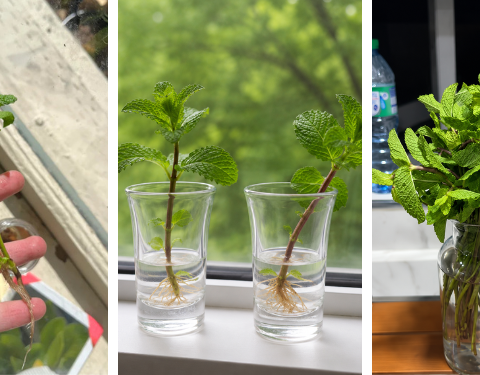
- Strip lower leaves and place cuttings in water or rooting hormone and soil.
- Keep in a warm, bright area out of direct sunlight.
- Roots should develop in 2–3 weeks.
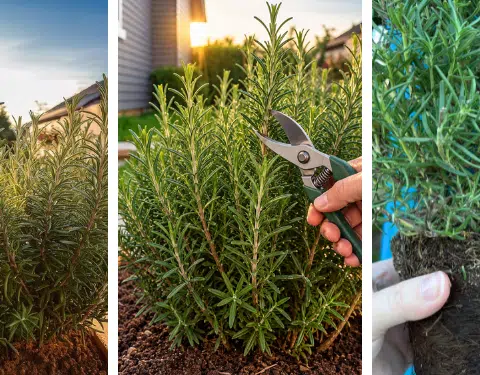
Transplant cuttings or seedlings into pots or garden beds once they have several sets of leaves and a healthy root system.
Planting Rosemary
Rosemary prefers full sun and thrives in well-drained soil with a pH between 6.0 and 7.5. Choose a location that receives at least 6–8 hours of direct sunlight daily.
In Garden Beds:
- Space plants 18–24 inches apart to allow good air circulation.
- Mix compost or aged manure into the soil before planting.
- Avoid waterlogged areas or clay-heavy soil; improve drainage with sand or gravel.
In Containers:
- Use a pot at least 12 inches in diameter with drainage holes.
- Fill with a sandy potting mix or cactus soil blend.
- Place pots in sunny locations like patios, balconies, or window sills.
After planting, water deeply to help roots establish. Allow the top inch of soil to dry between waterings.
Watering and Fertilizing Rosemary
Rosemary is drought-tolerant once established. Overwatering is one of the most common mistakes with rosemary.
- Water when the soil is dry to the touch, especially in containers.
- Avoid wetting the foliage to prevent fungal diseases.
- In hot climates, water more frequently during extended dry spells.
Rosemary doesn’t require heavy feeding. Too much fertilizer can reduce its aromatic oil content.
- Feed once in early spring with a balanced, slow-release fertilizer.
- Alternatively, use diluted fish emulsion or compost tea every 4–6 weeks during the growing season.
Pruning and Harvesting Rosemary
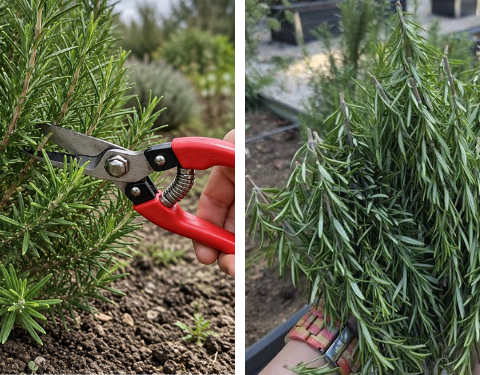
Regular pruning keeps rosemary bushy and productive. It also improves airflow, which helps prevent disease.
- Begin light pruning once the plant reaches about 6 inches tall.
- Harvest sprigs by snipping off 4–6 inch stems as needed.
- Avoid cutting more than one-third of the plant at a time.
In late spring or early summer, shape the plant to encourage branching. Remove woody or dead stems to keep the plant healthy.
Growing Rosemary Indoors
Rosemary can grow well indoors with enough light and proper care.
- Place near a south- or west-facing window where it receives at least 6 hours of sunlight.
- Supplement with a grow light in darker rooms or during winter months.
- Use a well-draining potting mix and avoid letting the pot sit in water.
- Keep room temperatures between 60–70°F (15–21°C).
Good airflow is essential indoors. Run a fan occasionally or place rosemary in an area with gentle air movement.
Overwintering Rosemary
In USDA zones 8–10, rosemary is usually perennial and survives outdoors year-round. In colder zones, it may need protection or must be brought indoors.
Outdoor Plants:
- Mulch around the base with straw or pine needles to insulate roots.
- Cover with a cold frame or cloche in regions with harsh winters.
Potted Plants:
- Move indoors before the first frost.
- Place in a bright, cool area like a sunroom or greenhouse.
- Reduce watering during dormancy but prevent the soil from drying out completely.
Pests and Diseases
Rosemary is generally pest-resistant, but certain issues can arise, especially in damp conditions or indoors.
Common pests:
- Aphids
- Spider mites
- Mealybugs
Control with insecticidal soap or neem oil. Ensure good air circulation to discourage pests.
Diseases:
- Root rot (caused by overwatering)
- Powdery mildew
- Fungal leaf spots
Prevent disease by avoiding overhead watering and keeping foliage dry. Use sterilized pruning tools and remove affected leaves.
Companion Planting with Rosemary
Rosemary is a great companion plant in vegetable and herb gardens. Its strong scent helps repel pests.
Good companions include:
- Beans
- Cabbage
- Carrots
- Sage
- Thyme
Avoid planting rosemary near mint, which prefers more water and can compete for space.
Culinary and Household Uses
Rosemary is prized for its earthy, pine-like flavor and aroma. It’s used in countless dishes and also has medicinal and aromatic uses.
Culinary:
- Add to roasted vegetables, meats, and soups
- Infuse oils and vinegars
- Use fresh sprigs in marinades and bread
Household:
- Create natural air fresheners or potpourri
- Use in herbal wreaths or bundles
- Make rosemary sachets to repel insects
Dry rosemary by hanging sprigs upside down in a cool, dark place. Once dry, strip leaves from stems and store in an airtight container.
Rosemary is a resilient, aromatic herb that brings flavor, fragrance, and beauty to any space.
Whether you grow it in a backyard garden, windowsill pot, or balcony container, rosemary thrives with plenty of sunlight, well-drained soil, and minimal care.
By following these tips, you’ll enjoy a healthy rosemary plant that not only enhances your cooking but also adds structure and scent to your home and garden year-round.