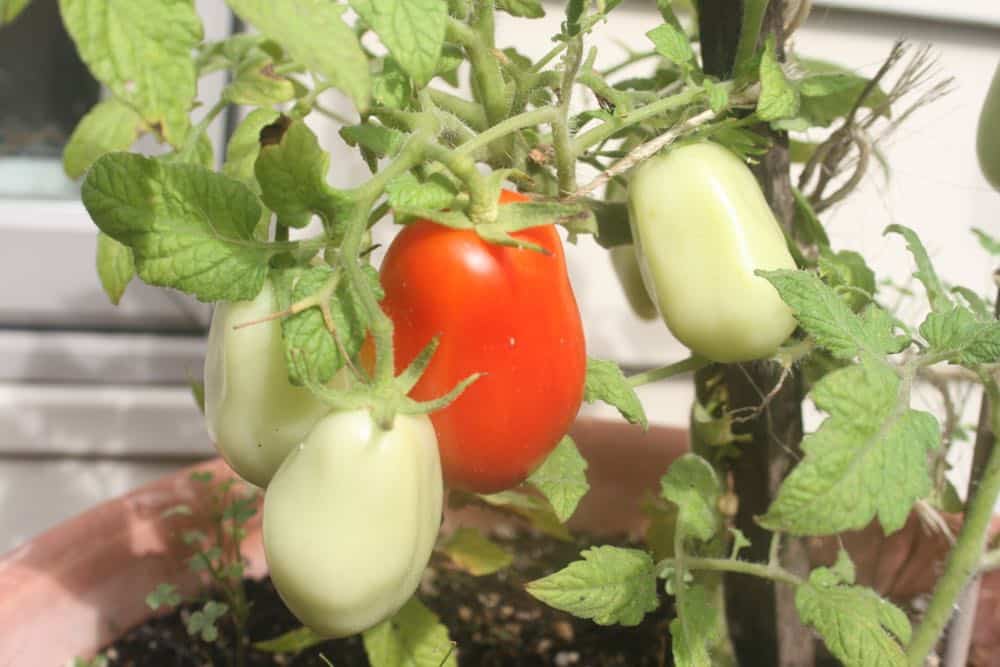
Roma tomatoes are one of the most popular tomato varieties for home gardeners, and for good reason. They’re firm, meaty, and low in moisture, making them ideal for sauces, pastes, canning, and cooking.
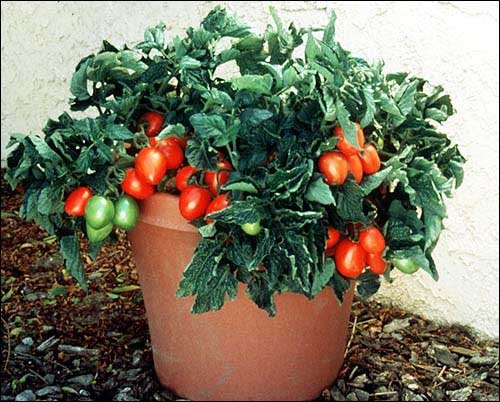
If you have limited garden space or just want more control over your growing environment, Roma tomatoes grow exceptionally well in containers.
With the right pot, soil, care, and techniques, you can enjoy a bountiful harvest even from a balcony, patio, or small backyard.
Here’s a detailed, step-by-step guide on how to successfully grow Roma tomatoes in pots—from choosing the right container to harvesting your ripe, juicy fruit.
1. Choose the Right Container
One of the most important decisions when growing Roma tomatoes in pots is selecting the right container.
Tomatoes are deep-rooted plants that need room to grow, so your pot must be large enough to accommodate that.
Container Guidelines:
-
Minimum size: 14 inches in diameter
-
Ideal size: 20 inches or more in diameter
-
Depth: At least 12–18 inches deep to support root growth
A 5-gallon bucket with drainage holes works perfectly for a single Roma tomato plant. You can also use ceramic, terra cotta, or plastic pots.
Terra cotta and ceramic pots are heavier and help stabilize the plant, especially when it becomes top-heavy with fruit.
Just make sure the pot has adequate drainage holes at the bottom to prevent root rot and waterlogging.
2. Start with Seeds or Seedlings
You can grow Roma tomatoes either from seeds or store-bought seedlings.
Starting from Seed:
-
Start seeds indoors 6–8 weeks before the last expected frost date.
-
Use a seed-starting tray with high-quality potting mix.
-
Keep them warm and moist until germination (about 7–10 days).
-
Harden off young plants before transplanting outdoors.
Using Seedlings:
-
Purchase healthy Roma tomato seedlings from a nursery or garden center.
-
Transplant them outdoors once all danger of frost has passed.
-
Make sure nighttime temperatures consistently stay above 50°F (10°C).
3. Prepare the Ideal Potting Mix
The quality of your soil will greatly affect your tomato plant’s health and productivity. Garden soil is too dense and may harbor pests and diseases, so always use a well-draining, high-quality potting mix.
Best Potting Mix Recipe:
-
1 part all-purpose potting soil
-
1 part compost (well-aged)
-
1 part perlite or coarse sand (for drainage)
-
Optional: Add a handful of organic fertilizer or worm castings for a nutrient boost
Ensure the compost you use has been heated (or hot composted) to kill off weed seeds and harmful organisms.
4. Planting Roma Tomatoes in Pots
Whether you’re transplanting seedlings or starting from seed, proper planting depth and spacing are key.
For Seedlings:
-
Fill the pot about 1/3 full with potting mix.
-
Place the seedling deep into the container—bury two-thirds of the stem. Tomatoes grow roots along the buried stem, which results in a stronger plant.
-
Backfill around the plant with soil until it’s firmly in place.
-
Leave about 1–2 inches of space at the top of the pot to allow for watering and mulching.
For Seeds:
-
Sow 2–3 seeds per pot about ¼ inch deep.
-
Water gently and keep moist until germination.
-
Once seedlings develop two sets of true leaves, thin to the strongest one by snipping the others at soil level.
5. Add Mulch to Retain Moisture
After planting, apply a 1-inch layer of mulch over the top of the soil. This helps retain moisture, regulate soil temperature, and prevent weeds.
Great Mulch Options:
-
Straw
-
Shredded bark
-
Chopped leaves
-
Newspaper or cardboard layers
Refresh the mulch as needed, especially in hot climates where it breaks down faster.
6. Provide Proper Support
Roma tomatoes, though smaller than other varieties, are determinate plants that grow to a fixed size, but they still benefit from support.
Install a tomato cage, stake, or trellis as soon as you plant to avoid damaging the roots later. You can:
-
Use a traditional wire tomato cage
-
Install a wooden or bamboo stake and tie stems loosely as they grow
-
Use a cylindrical cage made from hog wire or fencing
Ensure the support is firmly anchored in the pot or placed around it to prevent tipping.
7. Watering Tips for Roma Tomatoes in Pots
Tomatoes are thirsty plants, and container-grown ones dry out quicker than those in the ground. Consistent watering is key.
Best Practices:
-
Water deeply until it drains out the bottom.
-
Check moisture daily—if the top inch of soil is dry, it’s time to water.
-
Avoid overhead watering to reduce the risk of fungal diseases.
During hot weather, you may need to water once or even twice a day.
8. Fertilize Regularly
Container-grown tomatoes lose nutrients quickly through watering, so regular feeding is essential.
Fertilizer Tips:
-
Use a balanced, water-soluble fertilizer (such as 10-10-10 or 5-10-10).
-
Apply fertilizer every 7–14 days after the first month of growth.
-
For best results, fertilize in the morning after watering to prevent root burn.
You can also supplement with compost tea or fish emulsion to promote strong growth and fruit production.
9. Protect from Cold Weather
Roma tomatoes are warm-season crops that can be damaged by cool temperatures. Don’t place pots outside until nighttime temperatures stay above 50°F.
If a late frost is predicted:
-
Cover your pots with a frost blanket, old sheets, or burlap sacks.
-
Move pots to a protected area like a covered porch or garage overnight.
This extra step can save your plants from cold damage and help ensure a healthy start.
10. Harvesting Roma Tomatoes
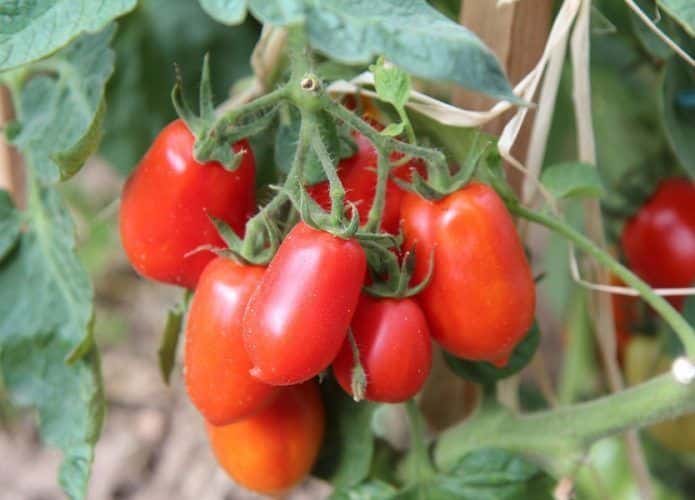
Roma tomatoes are ready to harvest when they are fully red with no green shoulders. The fruit should feel firm but slightly tender when gently squeezed.
How to Harvest:
-
Pick by gently twisting the fruit off the vine or snipping with garden scissors.
-
Check plants daily during peak harvest season, as ripe fruit can appear quickly.
-
Don’t wait too long to harvest, or the tomatoes may become overly soft or fall off the plant.
Regular harvesting encourages continued fruit production and helps prevent spoilage.
Growing Roma tomatoes in pots is a rewarding experience that gives you access to fresh, flavorful tomatoes even if you have limited space.
With the right container, soil mix, watering schedule, and care, you can enjoy a robust harvest of this versatile tomato variety right from your balcony or patio.
Whether you’re making pasta sauce, canning, or slicing for salads, Roma tomatoes offer rich taste and firm texture that’s hard to beat.
Follow this guide to get the most out of your container-grown tomato plants—and enjoy the taste of homegrown goodness all summer long.