Orchids are among the most captivating and elegant flowers you can grow indoors. From the vibrant supermarket varieties like Phalaenopsis to exotic species treasured by collectors, there’s truly an orchid for every gardener, whether you’re a beginner or an expert.
Many people shy away from growing orchids because they’ve heard these plants are delicate and tricky.
But the truth is, once you understand their needs, orchids are surprisingly adaptable – and incredibly rewarding.
With proper care, an orchid can bloom multiple times a year, filling your home with color and beauty.
Why Grow Orchids?
Orchids are more than just pretty flowers. Here’s why they’re worth growing:
- Exotic Beauty: Few plants offer such stunning, intricate blooms.
- Long-Lasting Flowers: Many orchid flowers last several weeks, sometimes months.
- Wide Variety: Over 25,000 species and countless hybrids exist, offering endless choices.
- Indoor-Friendly: Many orchids thrive in home conditions.
- Air-Purifying Qualities: Orchids help clean indoor air.
Whether you’re decorating a coffee table or creating a lush indoor jungle, orchids add a touch of sophistication and natural wonder.
Popular Types of Orchids for Home Growers
While orchids vary widely, some are perfect for beginners:
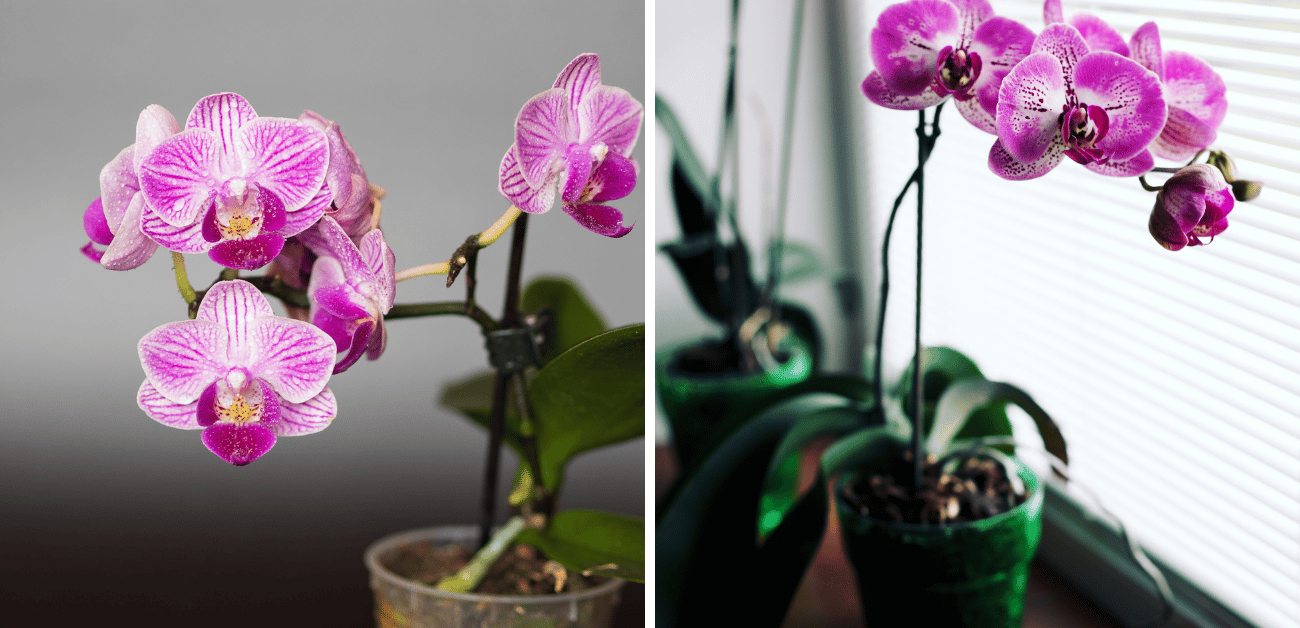
- Phalaenopsis (Moth Orchid): Widely available, blooms for months, prefers indirect light.
- Cattleya: Known for large, fragrant blooms, loves bright light.
- Dendrobium: Tall canes with clusters of blossoms.
- Oncidium (Dancing Lady): Profuse blooming, tolerates lower humidity.
- Paphiopedilum (Lady’s Slipper): Unique pouch-shaped flowers, moderate light needs.
Each variety has specific care requirements, so always check the label or consult a nursery expert.
How Often Do Orchids Bloom?
A healthy orchid can bloom once or twice a year – and some, like Phalaenopsis, can flower for up to six months straight!
To encourage frequent blooming:
- Provide proper light levels.
- Maintain consistent temperatures.
- Fertilize regularly.
- Avoid letting the plant dry out excessively.
Choosing the right species for your conditions can mean more frequent blooms and fewer challenges.
Light Requirements for Orchids
Light is crucial for orchids. Without enough, they may survive but won’t bloom.
How Much Light Do Orchids Need?
- Bright, indirect light is best for most orchids.
- Orchids in too much direct sunlight can develop burned, bleached spots on leaves.
- Insufficient light results in dark green leaves and few or no flowers.
Where to Place Orchids Indoors:
- East-facing windows are ideal for gentle morning sun.
- South or west windows can work with sheer curtains for protection.
- Avoid placing orchids in dark corners or far from windows.
Signs Your Orchid Needs More Light:
- No flowers in over a year.
- Slow growth.
- Dark, lush green leaves with no flower spikes.
Can I Use Artificial Lights?
Yes! Fluorescent or LED grow lights are excellent supplements, especially in winter. Keep lights about 6–12 inches above the plant for 12–16 hours daily.
Temperature and Humidity for Orchids
Orchids evolved in tropical forests where days are warm and nights are cooler. Replicating these conditions promotes healthy growth and blooming.
Ideal Temperature Ranges:
- Daytime: 70–80°F (21–27°C)
- Nighttime: 60–65°F (16–18°C)
Temperature drops at night are essential for triggering flower spikes in many orchid types.
How to Provide Humidity:
Orchids prefer 40–60% humidity. Dry indoor air can cause:
- Bud drop
- Wrinkled leaves
- Brown leaf tips
Boost humidity by:
- Placing orchids near a bathroom or kitchen.
- Using a humidifier.
- Setting pots on trays filled with pebbles and water (water should not touch pot base).
Watering Orchids: How Much is Enough?
One of the biggest mistakes with orchids is overwatering.
General Orchid Watering Guidelines:
- Water once a week in winter.
- Increase to twice a week in warm, dry months.
- Always let water drain completely.
Orchids prefer to dry slightly between waterings rather than stay constantly wet.
Best Watering Method:
- Place your orchid in a sink or tub.
- Run lukewarm water over the potting mix.
- Let excess water drain out thoroughly.
Tip: Avoid leaving water in the orchid’s decorative outer pot – roots sitting in water can quickly rot.
Signs of Overwatering:
- Mushy, brown roots
- Yellow leaves
- Black leaf tips
Feeding Orchids for Healthy Blooms
Orchids need nutrients to produce flowers but are sensitive to fertilizer salts.
Fertilizing Tips:
- Use a balanced orchid fertilizer (e.g., 20-20-20).
- Dilute to quarter strength.
- Fertilize every 2–3 weeks during active growth.
- Reduce feeding during winter rest periods.
“Weekly, weakly” is a helpful motto for orchid feeding.
Repotting Orchids
Orchids need repotting every 1–3 years. Over time, potting mix breaks down, suffocating roots and retaining too much moisture.
When to Repot:
- Roots spill over the pot.
- Potting mix looks broken down or moldy.
- Plant stops blooming despite proper care.
How to Repot Orchids:
- Gently remove orchid from pot.
- Trim dead or mushy roots.
- Place in fresh orchid mix (often bark, sphagnum moss, or perlite).
- Position plant at the same depth as before.
- Water lightly and allow good airflow.
Orchid Potting Media
Orchids don’t grow in traditional soil.
Use:
- Orchid bark mix: Allows airflow around roots.
- Sphagnum moss: Retains moisture but may stay too wet if overwatered.
- Perlite or charcoal: Improves drainage.
Choose a mix suited to your orchid’s variety and watering habits.
Orchid Propagation: How to Grow More Orchids
Want more orchids without buying new ones? Try these propagation methods!
1. Stem Cuttings
Works best with Dendrobium and some Phalaenopsis orchids.
- Choose a healthy stem with nodes.
- Cut into sections, each with at least 2 nodes.
- Dust ends with cinnamon or fungicide.
- Place horizontally on damp sphagnum moss.
- Keep warm and humid until new growth emerges.
Roots and shoots typically appear within 3 months.
2. Division
Ideal for orchids with pseudobulbs like Cattleya.
- Divide a mature plant into sections with at least 3–4 pseudobulbs each.
- Gently separate rhizomes and roots.
- Repot each section in fresh orchid mix.
Divided orchids often skip a blooming season as they recover.
3. Offshoots (Keikis)
“Keiki” is Hawaiian for “baby.” Some orchids naturally produce baby plants on stems or at the base.
- Wait until the keiki has 3+ leaves and visible roots.
- Cut keiki from mother plant with sterile scissors.
- Pot in sphagnum moss or orchid bark.
- Keep humid and out of direct sunlight until established.
Common Orchid Problems and How to Solve Them
| Problem | Possible Cause | Solution |
|---|---|---|
| No blooms | Low light, stress, no temperature drop | Increase light, ensure night-time cooling |
| Yellow leaves | Overwatering, direct sun, old leaves | Adjust care as needed |
| Wrinkled leaves | Underwatering or root rot | Check roots, water properly |
| Sticky residue on leaves | Pests like scale or aphids | Clean leaves, use insecticidal soap |
| Black leaf tips | Fertilizer burn, low humidity | Flush potting mix, increase humidity |
Frequently Asked Questions
How long do orchid flowers last?
Phalaenopsis blooms can last up to 3 months. Other types like Cattleya may last 2–4 weeks.
Are orchids toxic to pets?
No! Most orchids, including Phalaenopsis, are non-toxic to cats and dogs.
Can orchids grow in low light?
Some orchids tolerate lower light, but blooming usually requires bright, indirect light.
Should I mist my orchid?
Light misting helps humidity but isn’t a substitute for watering. Don’t mist flowers directly, as it can cause spots or mold.
Orchids may seem mysterious, but once you understand their unique needs, they’re incredibly fun and rewarding to grow.
Whether you’re tending a single supermarket Phalaenopsis or building a collection of exotic species, orchids bring color, elegance, and a touch of the tropics into your home.