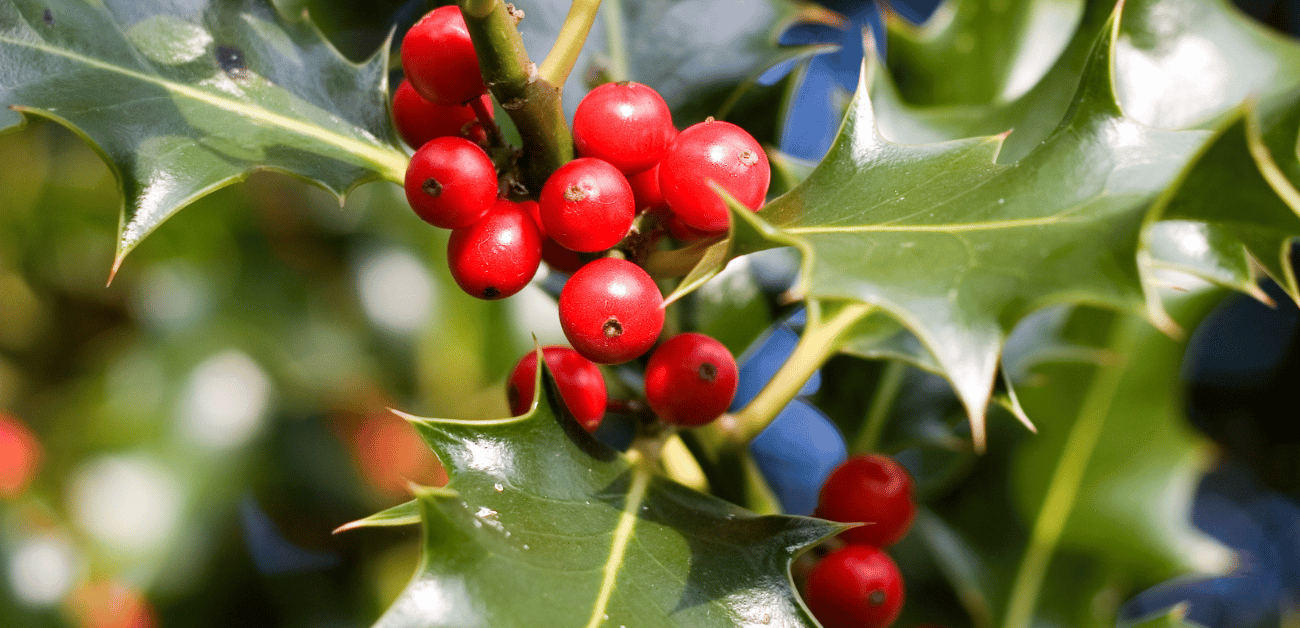
Holly trees are a beloved sight in American gardens, recognized for their glossy green leaves and vibrant red berries.
In the United States, hollies range in size from compact shrubs barely a foot tall to towering trees reaching 50 feet.
Their evergreen foliage and striking berries make them a classic choice for landscaping, especially in USDA Hardiness Zones 5 through 8, where most holly varieties thrive.
Whether you’re growing a holly tree for its ornamental beauty, privacy hedging, or holiday décor, container gardening offers a flexible and manageable way to cultivate this versatile plant.
The Rich History of Holly Plants
Holly has a long and storied history. In the 17th century, holly was already a prized ornamental plant in European gardens.
John Evelyn, the renowned English gardener and diarist, famously cultivated extensive holly hedges at Sayes Court near London.
Holly’s association with winter festivals and its vibrant winter color have kept it popular for centuries, both in formal gardens and home landscapes.
Selecting the Right Holly Variety
Before planting, it’s crucial to choose the right type of holly for container cultivation.
Popular varieties include:
- American Holly (Ilex opaca): Tall, pyramidal, classic red berries.
- Japanese Holly (Ilex crenata): Compact, boxwood-like foliage, ideal for small containers.
- English Holly (Ilex aquifolium): Deep green leaves and bright red berries.
- Winterberry (Ilex verticillata): A deciduous holly known for its vibrant berry display after leaves drop.
When growing hollies in pots, dwarf or slow-growing varieties are often best suited due to space limitations.
Ideal Soil and Location for Holly Trees in Containers
Holly trees thrive in soil conditions that replicate their natural habitat.
They prefer:
- Slightly acidic soil: Aim for a pH between 5.0 and 6.5. Acidic soil helps keep foliage healthy and berries vibrant.
- Good drainage: Hollies dislike soggy roots. Sandy or gritty loam works well for containers.
- Partial shade to full sun: While holly trees tolerate shade, they produce better berries and denser foliage with at least a few hours of daily sunlight.
Amend potting soil with organic materials like shredded bark, compost, or peat moss to improve texture and acidity. Sulfur-based fertilizers can also help maintain soil acidity over time.
Preparing Your Container for Planting
Choose a sturdy container with ample drainage holes. For hollies, which have deep and substantial root systems, select a pot that’s at least 18-24 inches deep and wide.
Terracotta pots are excellent because they allow soil to breathe, but plastic or resin containers are lighter and retain moisture longer.
At the bottom of your container:
- Place broken terracotta pieces, gravel, or small stones to improve drainage.
- Fill the pot halfway with prepared soil mix.
Planting Holly Trees in Containers
To plant your holly:
- Gently remove the plant from its nursery container, loosening roots if they’re pot-bound.
- Place the plant in the center of the pot, ensuring the top of the root ball sits about one inch below the container’s rim.
- Backfill around the roots with soil, pressing lightly to remove air pockets.
- Water thoroughly after planting.
- Add a layer of mulch, such as pine bark or wood chips, to retain moisture and regulate temperature.
Watering and Moisture Needs
Container-grown hollies are more prone to drying out than those planted in the ground. Keep soil consistently moist, especially during hot or windy weather, but avoid waterlogging.
- Check soil moisture weekly by inserting your finger two inches deep. Water if the soil feels dry.
- During winter, reduce watering slightly, as hollies enter a slower growth phase.
Fertilizing Container Holly Trees
Hollies benefit from annual feeding. In early spring:
- Apply a balanced slow-release fertilizer formulated for acid-loving plants.
- Follow package instructions to avoid over-fertilization, which can damage roots.
Mulching around the base helps maintain soil acidity and moisture levels.
Pruning and Shaping Holly Trees
Pruning keeps holly trees tidy and encourages dense growth. Late winter or early spring is the best time for significant pruning before new growth emerges.
- Remove dead or damaged branches.
- Shape the plant to maintain a symmetrical appearance.
- Lightly trim new growth during the growing season to encourage bushiness.
Avoid heavy pruning during summer heat, which can stress the plant.
Propagating Holly Trees
Holly propagation can be achieved through seeds or cuttings, but patience is essential.
From Seeds
- Harvest ripe berries in late autumn.
- Clean seeds thoroughly, removing pulp.
- Sow seeds in pots of sandy compost, cover lightly, and place outdoors to experience natural cold stratification.
- Germination can take 16 months to 3 years due to the seeds’ hard outer coat.
From Cuttings
Propagation from cuttings is faster and more reliable:
- Take semi-hardwood cuttings about 6 inches long in summer.
- Remove lower leaves.
- Dip cut ends in rooting hormone.
- Plant in a sterile mix of half sand, half peat moss or perlite.
- Keep the soil moist and place the cuttings in indirect light.
- Roots typically develop in six weeks, although growth can be slow.
Sowing Holly Seeds
If sowing seeds:
- Sow in early spring after the seeds have undergone stratification.
- Plant each seed in its own container to prevent root disturbance.
- Cover lightly with compost and water gently.
- Place pots in a sheltered outdoor location for gradual growth.
Winter Care for Holly Trees in Containers
In colder regions, protect container-grown holly trees during winter:
- Move pots to a sheltered spot to protect from harsh winds.
- Wrap containers with burlap or bubble wrap for insulation.
- Avoid placing pots directly on frozen ground, which can lead to root damage.
Berries on Your Holly Tree
Holly berries are one of the plant’s most beloved features, but producing them requires both male and female plants. Holly is dioecious, meaning male and female flowers grow on separate plants.
Plant at least one male holly tree within 50 feet of female plants to ensure cross-pollination. Bees and other insects facilitate pollen transfer.
Without a male plant, female hollies may produce few or no berries.
Common Pests and Diseases
Though relatively low-maintenance, hollies can suffer from pests and diseases.
Pests
- Scale insects: Appear as small, hard bumps on leaves and stems, sucking sap and weakening the plant.
- Spider mites: Thrive in dry conditions, causing stippling on leaves.
- Leaf miners: Burrow into leaves, creating tunnels and causing discoloration.
Treat infestations with horticultural oil or insecticidal soap, following label directions.
Diseases
- Tar spot: Causes black spots on leaves, mostly cosmetic but unsightly.
- Cankers: Appear as sunken, dead areas on stems, potentially girdling and killing branches.
- Root rot: Caused by poor drainage, leading to wilting and plant death.
Maintain good airflow, avoid overhead watering, and ensure proper drainage to minimize disease risk.
Benefits of Growing Holly in Containers
Growing holly in containers offers flexibility and beauty:
- Perfect for small gardens, patios, or balconies.
- Allows you to move plants for optimal sunlight or protection.
- Adds year-round greenery and winter color with berries.
- Helps manage soil conditions precisely, especially soil acidity.
Holly trees are a stunning addition to any garden, celebrated for their vibrant berries, glossy leaves, and classic winter appeal.
Growing holly in containers provides an excellent way to enjoy this timeless plant, even in small spaces.
With the right soil, watering habits, and winter protection, container-grown hollies will thrive and reward you with their beauty for years to come.