Marigolds are beloved garden staples, but growing giant marigolds that stop visitors in their tracks takes a little more care and strategy.
These large, vibrant blooms are not only stunning but also incredibly useful – repelling pests, attracting pollinators, and enriching garden aesthetics.
If you’re ready to elevate your marigold game and grow flowers that rival even the showiest perennials, here’s a comprehensive guide packed with 8 powerful tips to help you grow big, giant marigolds that truly shine.
1. Choose the Right Variety
Not all marigolds are bred for size. If you’re aiming for impressive blooms, go for varieties known for their large flowers.
Look for:
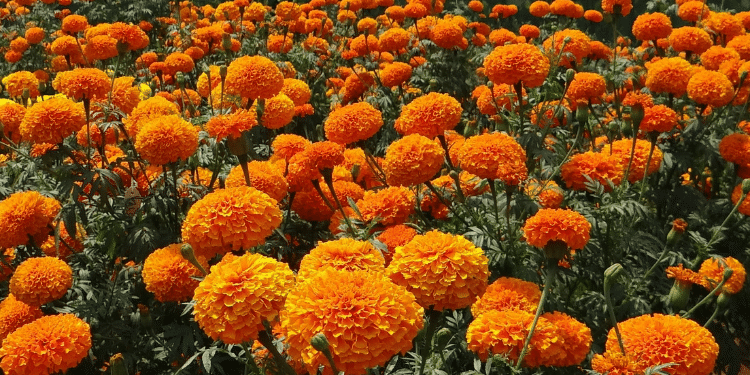
- Tagetes erecta (African Marigold): Also called American or Aztec marigolds, these are known for their enormous globe-like blooms.
- Crackerjack Mix: A popular cultivar of African marigold that produces large, full blooms in bright oranges and yellows.
- Jubilee or Inca Series: Bred for their oversized flowers and vigorous growth.
Start with high-quality seeds from a trusted supplier. Fresh seeds tend to germinate better and yield stronger plants.
2. Start Early Indoors
To give your marigolds a head start, sow seeds indoors 6–8 weeks before the last expected frost. Starting early allows more time for root development, which is critical for giant blooms. Here’s how to do it:
- Use a lightweight seed-starting mix.
- Sow seeds about ¼ inch deep in trays or pots.
- Keep the soil moist but not soggy.
- Provide warmth (70–75°F) and light – grow lights or a sunny window will work.
Transplant outdoors only after all danger of frost has passed and the soil has warmed to at least 60°F.
3. Give Them Space to Grow
Crowded marigolds compete for resources and rarely reach their full potential. For giant varieties, space them at least 12–18 inches apart, depending on the cultivar.
This spacing allows:
- Adequate air circulation, reducing disease risk.
- Room for roots to expand.
- Better access to sunlight for each plant.
Avoid planting them too close to aggressive growers that might overshadow or compete with them.
4. Prepare Rich, Well-Draining Soil
Giant marigolds need nutrient-rich, well-draining soil to support their large blooms.
Before planting, work in:
- Compost or aged manure: This improves soil texture and adds organic matter.
- A balanced fertilizer (10-10-10): Apply according to package instructions.
- Bone meal: A phosphorus-rich amendment that encourages root and flower development.
Ideal soil pH for marigolds is slightly acidic to neutral (6.2 to 7.0). Conduct a soil test if needed and adjust accordingly.
5. Give Them Full Sun
Marigolds are sun lovers, and full sunlight is essential for giant bloom production.
They need:
- At least 6–8 hours of direct sun daily
- Protection from strong winds that might damage tall, top-heavy flowers
Too much shade leads to leggy growth and smaller flowers. For best performance, plant marigolds in the sunniest part of your garden.
6. Feed Regularly for Bigger Blooms
Giant marigolds are heavy feeders. Even if you start with enriched soil, additional feeding throughout the season will maximize growth.
- Use a balanced liquid fertilizer every 2–3 weeks.
- Switch to a bloom booster (higher in phosphorus) once flowering begins.
- Avoid over-fertilizing with nitrogen-rich fertilizers, which can lead to lush foliage and fewer flowers.
A monthly application of compost tea or fish emulsion can also give them a healthy boost.
7. Pinch and Deadhead for Fullness
Pinching young marigold plants encourages branching and bushier growth, leading to more buds and blooms.
- Pinch the growing tip when plants are 6 inches tall.
- This triggers side shoots to grow, resulting in a fuller plant with more flowering points.
Deadheading, or removing spent blooms, redirects energy into producing new flowers rather than seed formation. This simple task keeps your plants blooming non-stop.
8. Water Deeply but Infrequently
Marigolds prefer a deep watering routine rather than frequent light sprinklings. This promotes deep root systems, which are essential for supporting big, heavy flowers.
- Water when the top inch of soil is dry.
- Avoid watering overhead – wet leaves can lead to fungal issues.
- Early morning is the best time to water so the soil can dry out during the day.
Mulching around the base of the plant can help retain moisture and regulate soil temperature, especially during hot summer days.
Bonus Tips for Marigold Mastery
- Support Tall Varieties: If your marigolds grow especially tall or top-heavy, stake them gently to prevent breakage.
- Watch for Pests: While marigolds repel many pests, aphids and spider mites may still visit. Spray neem oil or insecticidal soap as needed.
- Rotate Annually: Don’t plant marigolds in the same spot every year to prevent soil-borne diseases.
When to Expect Giant Blooms
From seed, marigolds usually take 45–60 days to begin blooming. If you’ve followed these tips – starting early, feeding consistently, deadheading regularly – you can expect your plants to start showing off their large, vibrant flowers by mid to late summer.
Why Grow Giant Marigolds?
Beyond their striking appearance, giant marigolds are:
- Great for cutting and floral displays
- Excellent at attracting beneficial pollinators
- Natural pest deterrents
- Low maintenance and heat tolerant
Plus, they simply look impressive in borders, beds, and containers!
Growing big, bold marigolds isn’t difficult – but it does require a bit more intention.
By choosing the right variety, enriching the soil, spacing wisely, and tending to their needs, you can turn a simple flower into a showstopper.
With these 8 expert tips, your marigolds will grow bigger, bloom longer, and become the crowning jewels of your garden.