Mint is one of the easiest and most rewarding herbs to grow. With its refreshing aroma, vibrant green leaves, and numerous health benefits, mint is a staple in many gardens and kitchens.
Whether you’re looking to cultivate mint for culinary, medicinal, or decorative purposes, this guide will help you successfully grow, harvest, and use mint in various ways.
1. Why Grow Mint?
Mint is a hardy perennial herb that offers multiple benefits:
- Easy to Grow: Thrives in various conditions and spreads quickly.
- Culinary Uses: Enhances the flavor of teas, cocktails, salads, and desserts.
- Medicinal Benefits: Aids digestion, relieves headaches, and freshens breath.
- Aromatic and Decorative: Produces a refreshing scent and serves as an attractive ground cover.
- Pest Repellent: Naturally deters mosquitoes, ants, and rodents.
2. Best Mint Varieties to Grow
There are many types of mint, each with unique flavors and uses. Here are some popular varieties:
- Peppermint (Mentha × piperita) – Strong, cooling flavor; ideal for teas and medicinal uses.
- Spearmint (Mentha spicata) – Sweeter than peppermint; commonly used in cooking and beverages.
- Chocolate Mint (Mentha × piperita ‘Chocolate’) – Hints of cocoa, perfect for desserts and teas.
- Apple Mint (Mentha suaveolens) – Mild and fruity, great for salads and drinks.
- Lemon Balm (Melissa officinalis) – Citrus-scented, used for relaxation and herbal remedies.
- Pineapple Mint (Mentha suaveolens ‘Variegata’) – Fruity aroma, excellent for garnishes.
3. How to Grow Mint
Choosing the Right Growing Method
Mint is a fast-growing herb that thrives in multiple settings:
- In the Ground: Ideal for creating a mint patch, but be aware that mint can spread aggressively.
- In Containers: Helps control its spread and makes it easier to move indoors during winter.
- Hydroponically: Grows well in water with proper nutrients.
Selecting a Location
- Mint thrives in partial shade to full sun.
- Prefers moist, well-draining soil with a pH between 6.0-7.0.
- Keep it in a spot where it has room to spread if planting in the ground.
Planting Mint
- From Seeds: Germination takes about 10-15 days. Sow seeds ¼ inch deep in moist soil.
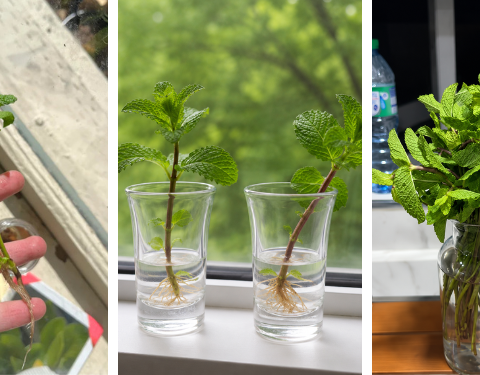
- From Cuttings: Place a mint cutting in water until roots develop, then transplant into soil.
- From Transplants: Space plants 12-18 inches apart in the garden or plant in a pot.
Watering and Fertilizing
- Keep the soil consistently moist but avoid overwatering.
- Apply a balanced organic fertilizer once a month during the growing season.
Controlling Mint’s Spread
- Use barriers to contain underground runners if growing in the ground.
- Regularly prune or harvest to prevent excessive spreading.
4. How to Harvest Mint
Mint can be harvested throughout the growing season:
- Begin harvesting once the plant is 6-8 inches tall.
- Cut stems just above a leaf node to encourage bushy growth.
- Avoid harvesting more than one-third of the plant at a time to keep it healthy.
- Best harvested in the morning when essential oils are at their peak.
How to Store Fresh Mint
- Refrigeration: Wrap leaves in a damp paper towel and store in an airtight container.
- Freezing: Chop and freeze mint leaves in ice cube trays with water.
- Drying: Hang stems upside down in a cool, dark place, then store dried leaves in an airtight jar.
5. How to Use Mint
Culinary Uses
- Teas: Brew fresh or dried leaves in hot water for a refreshing herbal tea.
- Salads: Add chopped mint to fruit or vegetable salads for an extra burst of flavor.
- Cocktails: Enhance drinks like mojitos, mint juleps, and lemonades.
- Sauces and Dressings: Mix into yogurt, chutneys, or vinaigrettes for a fresh taste.
- Baking: Use in desserts like mint chocolate chip cookies, cakes, or ice cream.
Medicinal and Wellness Uses
- Digestive Aid: Mint tea soothes indigestion and bloating.
- Cold Relief: Inhalation of mint steam helps relieve nasal congestion.
- Headache Relief: Apply crushed mint leaves to the temples for a cooling effect.
- Oral Care: Chewing fresh mint leaves freshens breath and fights bacteria.
Household and Garden Uses
- Natural Air Freshener: Place fresh leaves in a bowl to deodorize rooms.
- Pest Repellent: Plant around patios to repel mosquitoes and ants.
- Skin Care: Mint-infused water can help soothe irritated skin and acne.
6. Common Problems and Solutions
1. Mint Leaves Turning Yellow
- Cause: Overwatering or poor drainage.
- Solution: Ensure proper drainage and let soil dry slightly between waterings.
2. Weak or Leggy Growth
- Cause: Lack of sunlight or insufficient pruning.
- Solution: Move to a brighter location and trim regularly.
3. Pests on Mint Leaves
- Common Pests: Aphids, spider mites, and whiteflies.
- Solution: Spray with neem oil or soapy water to deter pests.
4. Fungal Diseases
- Cause: Excess moisture and poor air circulation.
- Solution: Avoid overhead watering and space plants properly.
7. Growing Mint Indoors
Mint can thrive indoors with proper care:
- Choose a pot with drainage holes to prevent water buildup.
- Place near a sunny window where it receives 4-6 hours of sunlight daily.
- Water when the soil feels dry to the touch.
- Rotate the pot occasionally for even growth.
Mint is an easy-to-grow, versatile herb that belongs in every home garden.
Whether you plant it for culinary use, medicinal benefits, or as a natural pest repellent, mint will reward you with fragrant leaves and endless practical uses.