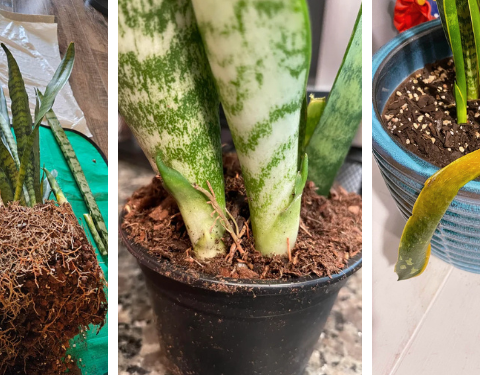
Sansevieria is a popular houseplant that has many benefits. For example, it can purify the air and brighten moods by providing aesthetic appeal in your home decor!
If you’re looking for an attractive plant without requiring much attention, then consider Snake Plant as your house plant!
Snake Plant Benefits
1. Purifies Indoor Air
One of the most well-known benefits of the snake plant is its ability to purify indoor air. According to a study by NASA, the snake plant is highly effective at removing toxins such as formaldehyde, benzene, xylene, trichloroethylene, and toluene from the air. These harmful chemicals are commonly found in household items like cleaning products, paint, furniture, and carpets.
How It Works:
- Removes Toxins: Snake plants absorb toxins through their leaves and convert them into oxygen.
- 24-Hour Oxygen Production: Unlike most plants that release oxygen only during the day, snake plants continue to produce oxygen at night, making them ideal for bedrooms and living areas.
2. Improves Sleep Quality
Because snake plants release oxygen at night, they can help improve sleep quality. Higher oxygen levels can promote deeper, more restful sleep by reducing the carbon dioxide concentration in the room.
How It Works:
- Place in Bedroom: Position a snake plant near your bed to enhance air quality and promote a better night’s sleep.
- Low Light Tolerance: Snake plants thrive in low light conditions, making them perfect for indoor environments like bedrooms.
3. Boosts Mental Health and Reduces Stress
Numerous studies have shown that being around plants can reduce stress, anxiety, and promote overall mental well-being. Snake plants, with their low maintenance and air-purifying qualities, can create a calming and positive environment.
How It Works:
- Natural Aesthetic Appeal: The striking appearance of the snake plant can create a sense of calm and relaxation.
- Improved Air Quality: Better air quality can reduce symptoms of allergies and respiratory issues, contributing to overall well-being.
4. Increases Humidity
Snake plants help increase indoor humidity, which can be particularly beneficial during dry winter months. Higher humidity levels can prevent dry skin, sore throats, and other respiratory problems.
How It Works:
- Releases Moisture: Through a process called transpiration, snake plants release moisture into the air, improving indoor humidity levels.
- Beneficial for Skin and Respiratory Health: Higher humidity can help alleviate dry skin, respiratory issues, and allergies.
5. Absorbs Carbon Dioxide Even at Night
Unlike most plants, which perform photosynthesis only during daylight hours, snake plants are one of the few plants that convert carbon dioxide (CO2) into oxygen even at night. This makes them an excellent plant for bedrooms, where they can help purify the air while you sleep.
How It Works:
- CAM Photosynthesis: Snake plants use Crassulacean Acid Metabolism (CAM) to perform photosynthesis at night, absorbing CO2 and releasing oxygen.
- Improved Air Quality at Night: This unique ability helps keep your indoor air fresh and oxygen-rich around the clock.
6. Natural Pest Deterrent
Snake plants are known for their natural pest-deterring properties. The saponins in the plant act as a natural insecticide, repelling common pests like mosquitoes, flies, and other insects.
How It Works:
- Natural Insecticide: The saponins found in snake plants are toxic to insects, making them less likely to invade your home.
- Indoor and Outdoor Use: Use snake plants near entryways or windows to help keep bugs at bay.
Best Tips and Tricks for Growing and Caring for Snake Plants
Now that you know why snake plants are a great addition to your home, let’s dive into how to grow and care for them successfully.
1. Choosing the Right Pot and Soil
Snake plants thrive in well-draining soil and require pots with good drainage. Choosing the right container and soil mix is essential to keeping your plant healthy.
- Pot: Use a pot with drainage holes to prevent water from sitting at the bottom, which can lead to root rot.
- Soil: A cactus or succulent soil mix works best for snake plants, as it promotes good drainage. You can also mix regular potting soil with sand or perlite to improve drainage.
Tip: Avoid overwatering your snake plant, as soggy soil can damage its roots.
2. Light Requirements
Snake plants are highly adaptable and can survive in a range of lighting conditions, from low light to bright, indirect sunlight.
- Bright, Indirect Light: Snake plants grow best in bright, indirect light. A spot near a window with filtered sunlight is ideal.
- Low Light: They can tolerate low light conditions, making them great for dimly lit areas of your home or office.
- Direct Sunlight: Avoid prolonged exposure to direct sunlight, as it can scorch the leaves.
Tip: If your plant is in low light, it may grow more slowly but will still thrive.
3. Watering Tips
Snake plants are drought-tolerant and do not need frequent watering. Overwatering is one of the few ways to harm this plant.
- Water Sparingly: Water your snake plant once every 2-4 weeks, allowing the soil to dry out between waterings. In winter, water even less often.
- Proper Watering Technique: Water the soil directly and avoid getting the leaves wet, as excess moisture on the leaves can lead to fungal issues.
Tip: Always let the top inch of soil dry out before watering again.
4. Temperature and Humidity
Snake plants are well-suited to most indoor environments and can tolerate a range of temperatures, though they prefer warmer conditions.
- Temperature: Ideal temperatures range between 60°F and 85°F (16°C to 29°C). Keep the plant away from cold drafts or freezing temperatures, as snake plants are not frost-tolerant.
- Humidity: Snake plants can thrive in low to moderate humidity levels, making them suitable for dry or air-conditioned environments.
Tip: Snake plants adapt well to the average indoor climate, so they don’t require any special humidity adjustments.
5. Fertilizing for Growth
While snake plants don’t require frequent feeding, they can benefit from occasional fertilization during the growing season (spring and summer).
- Fertilizer: Use a balanced, water-soluble houseplant fertilizer diluted to half strength. Feed your snake plant once a month during the growing season.
- Avoid Over-Fertilizing: Too much fertilizer can lead to burned roots or slow growth. In winter, when the plant is dormant, there’s no need to fertilize.
Tip: If your snake plant is thriving without fertilizer, feel free to skip this step or use it sparingly.
6. Pruning and Propagation
Snake plants rarely need pruning, but removing dead or damaged leaves can improve their appearance and health. Pruning also encourages new growth.
- Pruning: Trim off any yellow or brown leaves at the base to keep the plant looking neat. Use sterilized scissors to prevent disease.
- Propagation: Propagating snake plants is easy! You can propagate by division or leaf cuttings. To divide, gently separate the root clump and repot each section. For leaf cuttings, cut a healthy leaf into sections and place them in water or soil until roots develop.
Tip: Propagation is a great way to expand your plant collection or share with friends.
7. Managing Common Problems
While snake plants are low-maintenance, they can occasionally face issues like root rot or pest infestations.
- Root Rot: The most common issue is root rot caused by overwatering. Ensure your plant is in well-draining soil and only water when the top inch of soil is dry.
- Pests: Although rare, snake plants may attract pests like spider mites or mealybugs. If you notice pests, wipe the leaves with a damp cloth or apply neem oil to treat the infestation.
Tip: Prevention is key—by providing the right care, you can avoid most common issues.
Fun Facts:
- People in China have a tradition of planting snake plants around their homes to bring good luck and guard against evil forces.
- Snake plants are a great addition to any bedroom because it will provide the room with more oxygen and less carbon dioxide.
- Snake plants are great for filtering out one of the most noxious pollutants, formaldehyde.
Snake plants are more than just a beautiful addition to your home—they’re resilient, low-maintenance, and even help purify the air you breathe.