Cosmos flowers are beloved for their brilliant colors, airy foliage, and ability to attract pollinators like butterflies and bees.
Native to Mexico and Central America, cosmos are heat-tolerant, low-maintenance, and bloom continuously from early summer to the first frost.
With varieties ranging from pure white to hot pink, sunny yellow, and rich crimson, cosmos bring a cheerful and whimsical touch to any garden.
Whether you’re planting cosmos in flower beds, borders, or containers, this guide will walk you through everything you need to know to grow, care for, and enjoy these vibrant annuals from seed to bloom.
What Are Cosmos Flowers?
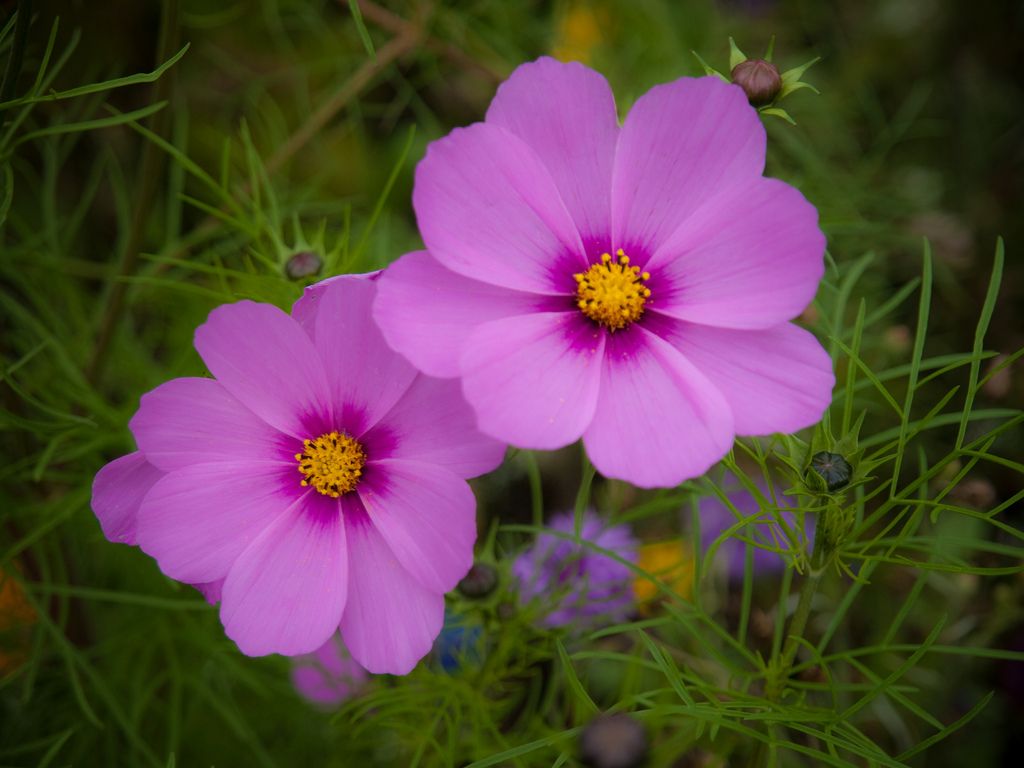
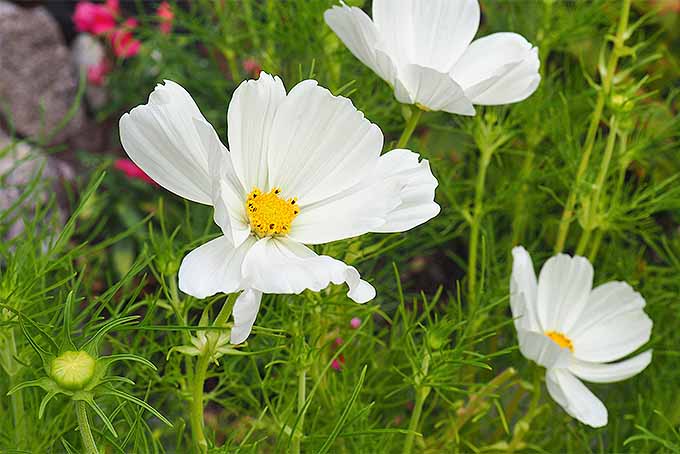
Cosmos are flowering plants in the Asteraceae family, which also includes daisies and sunflowers. They’re characterized by their daisy-like flowers, slender stems, and feathery, fern-like foliage.
The name “cosmos” comes from the Greek word for harmony or order – fitting, given their symmetrical blooms.
There are two main species of cosmos commonly grown in gardens:
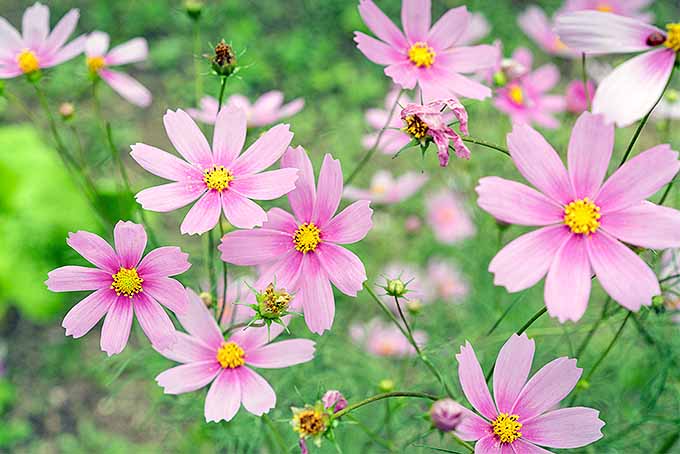
- Cosmos bipinnatus – Known for large, delicate flowers in white, pink, and crimson shades. This is the most common type.
- Cosmos sulphureus – Features vibrant yellow, orange, and red flowers with slightly more compact foliage.
Benefits of Growing Cosmos
- Long blooming period: From early summer until frost
- Attracts pollinators: Bees, butterflies, and beneficial insects
- Drought-tolerant: Requires minimal watering once established
- Low maintenance: Few pest or disease issues
- Great for cut flowers: Long-lasting in vases
- Self-seeding: Can come back each year in warmer zones
How to Grow Cosmos From Seed
Cosmos are incredibly easy to grow from seed, making them ideal for beginners and budget-conscious gardeners.
When to Plant Cosmos Seeds
- Outdoors: After the last frost date in spring when the soil has warmed
- Indoors: 4 to 6 weeks before the last frost date (optional for early blooms)
How to Plant
- Choose a sunny location: Cosmos need full sun (at least 6 hours a day).
- Prepare the soil: Well-drained, moderately fertile soil. Avoid overly rich soil – it can cause more foliage than flowers.
- Sow seeds: Scatter seeds over the soil surface and lightly press them in. Do not bury deeply; they need light to germinate.
- Water gently: Keep the soil moist until seedlings appear (7–21 days).
- Thin seedlings: Once seedlings are a few inches tall, thin them to 12–18 inches apart.
Where to Plant Cosmos
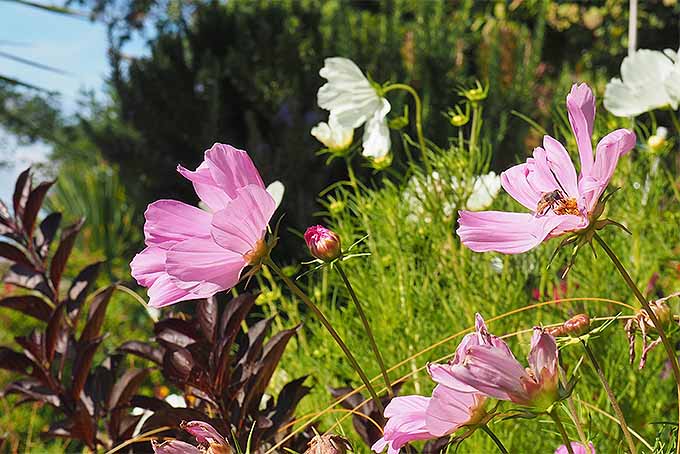
- Garden beds and borders: Their tall, airy form adds height and movement.
- Cottage gardens: Pairs beautifully with zinnias, sunflowers, and larkspur.
- Pollinator patches: Cosmos are excellent in wildlife and butterfly gardens.
- Containers: Use dwarf varieties like ‘Sonata’ or ‘Cosmic Orange’.
Cosmos Flower Varieties to Try
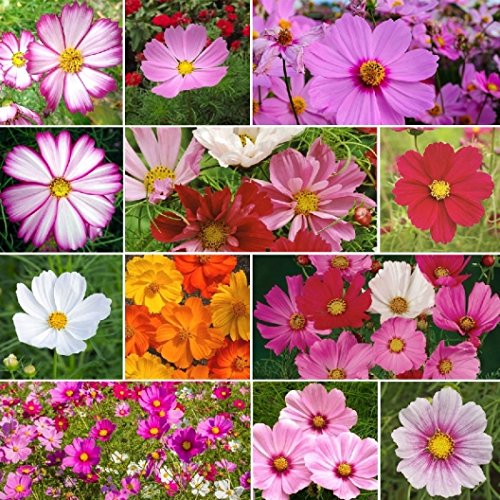
- ‘Sensation Mix’ (C. bipinnatus): Classic blend of pink, white, and crimson flowers; grows up to 4 feet tall.
- ‘Purity’ (C. bipinnatus): All-white flowers; elegant and great for moon gardens.
- ‘Double Click’ (C. bipinnatus): Frilly, double-petaled blooms in various shades.
- ‘Cosmic Orange’ (C. sulphureus): Compact, bright orange flowers.
- ‘Bright Lights’ (C. sulphureus): A fiery mix of yellow, orange, and red.

How to Care for Cosmos
1. Watering
Cosmos are drought-tolerant once established. Overwatering can lead to floppy growth and fewer flowers.
- New plants: Keep evenly moist until well-rooted.
- Established plants: Water only during prolonged dry spells.
2. Feeding
Avoid high-nitrogen fertilizers.
- Use compost or a balanced, low-nitrogen fertilizer if needed.
- Rich soil encourages foliage, not flowers.
3. Staking and Support
Tall varieties may flop over in wind or rain.
- Stake plants or grow near supportive neighbors.
- Pinching early growth promotes bushier plants.
4. Deadheading
Remove spent blooms to encourage more flowering.
Cut stems just above a leaf node to promote branching.
5. Pest and Disease Management
Cosmos are relatively pest-free but may face:
- Aphids: Use a strong jet of water or insecticidal soap.
- Powdery mildew: Improve air circulation and avoid overhead watering.
Harvesting and Saving Cosmos Seeds
Let a few flowers go to seed at the end of the season.
- Harvest dry seed heads and store in paper envelopes.
- Label with the variety and date.
- Store in a cool, dry place.
Seeds can be direct-sown next year for a repeat performance.
Growing Cosmos in Containers
- Choose compact varieties under 2 feet tall.
- Use well-draining potting mix and containers with drainage holes.
- Water regularly but avoid soggy soil.
- Fertilize lightly every few weeks.
Cosmos as Cut Flowers
- Harvest when flowers are fully open for longest vase life.
- Cut in the morning and place stems in water immediately.
- Remove lower leaves and recut stems under water.
They pair well with other summer flowers like dahlias, zinnias, and sunflowers.
Cosmos Companion Plants
- Zinnias: Complement the daisy-like blooms.
- Basil: Attracts pollinators and repels pests.
- Sunflowers: Provide structure and support.
- Larkspur: A beautiful contrast in form and color.
Common Cosmos Growing Problems
- Too much fertilizer: Results in lush foliage but few blooms.
- Too much shade: Causes leggy growth and poor flowering.
- Overcrowding: Limits airflow and encourages disease.
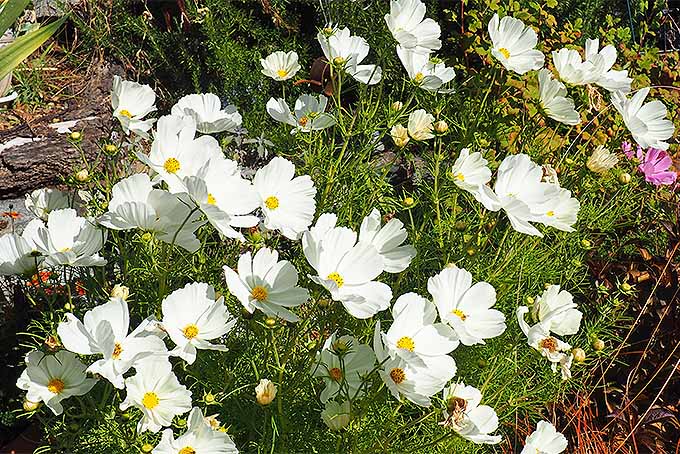
Cosmos flowers are among the easiest and most rewarding plants to grow. Their vibrant blooms, feathery foliage, and butterfly appeal make them a must-have for any sunny garden.
With minimal care and a long flowering season, cosmos offer continuous color and cheer from midsummer through the first frost.
Whether you’re planting cosmos for beauty, pollinators, or cut flower arrangements, these vibrant blooms promise a summer garden full of life and color.