Adding a stepping stone path to your garden is one of the easiest and most cost-effective ways to bring both beauty and practicality to your outdoor space.
Whether you have a sprawling backyard, a cozy cottage garden, or a small side yard, a stone pathway can create an inviting route that guides foot traffic, protects delicate plants, and adds rustic charm to your landscape design.
Unlike more formal walkways, stepping stone paths have a natural, organic feel that blends seamlessly with flower beds, lawns, and wooded areas.
Plus, they are simple to install, require minimal materials, and can be customized to match your garden’s style—from whimsical to modern.
Why Add a Stepping Stone Path to Your Garden?
- Functional Beauty: Stepping stones create a clear route for walking, helping to prevent soil compaction and keeping shoes mud-free after rain.
- Low Cost: Compared to poured concrete or paver walkways, stepping stones are budget-friendly and easier to DIY.
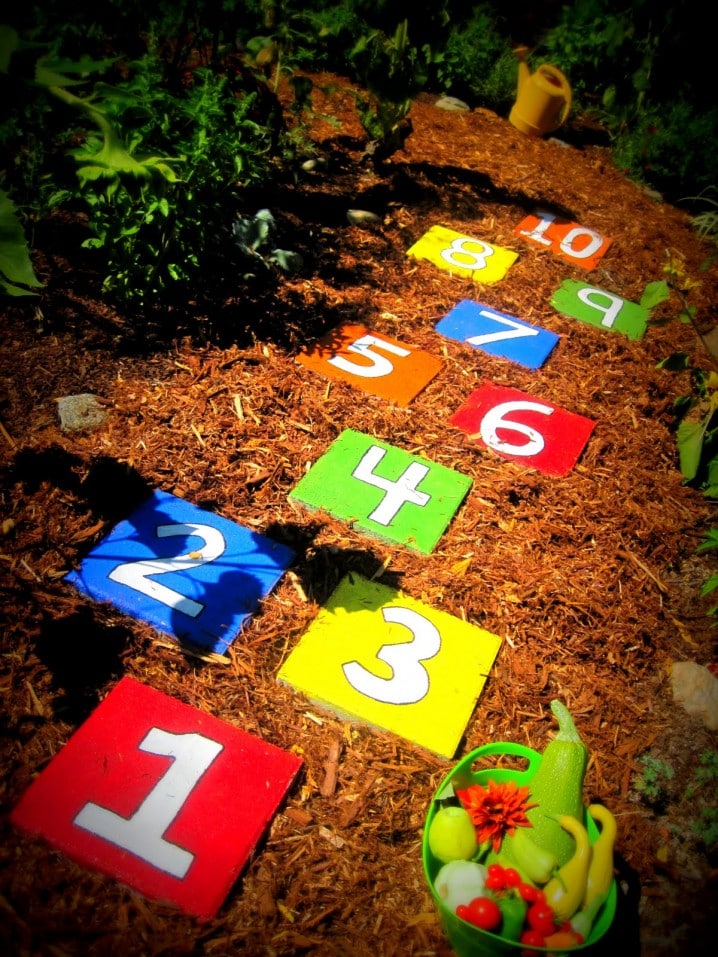
- Flexible Design: Arrange stones in straight lines, curves, or even playful patterns to complement your landscape.
- Enhances Curb Appeal: A well-placed stone path adds instant charm and structure to front yards, side gardens, and back patios.
- Protects Plants: Stepping stones keep foot traffic off lawns and garden beds, preserving healthy plants and grass.
- Minimal Maintenance: Once installed, stone paths require little upkeep compared to traditional paved surfaces.
Where to Place a Stepping Stone Path
Stepping stones can enhance many parts of your yard or garden:
- From the driveway to the front porch;
- Leading through flower beds or vegetable gardens;
- Along the side of the house to a backyard gate;
- Connecting patios, decks, and seating areas;
- Around water features, fire pits, or pergolas;
- In shaded woodland gardens or open lawns.
Tip: Before placing stones, walk the desired path naturally—your footprints will show where the stones should go!
Materials You Can Use for Stepping Stones
You don’t have to stick to just one type of stone—there are many options depending on your style and budget:
- Natural Flagstone: Flat, irregularly shaped stones for a rustic, earthy look.
- Concrete Pavers: Uniform shapes like squares, rectangles, or circles, great for modern or formal designs.
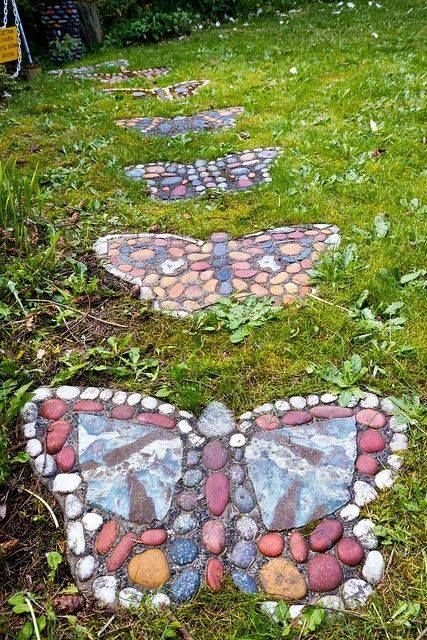
- Gravel and River Rock: Can be combined with stones to fill gaps and add texture.
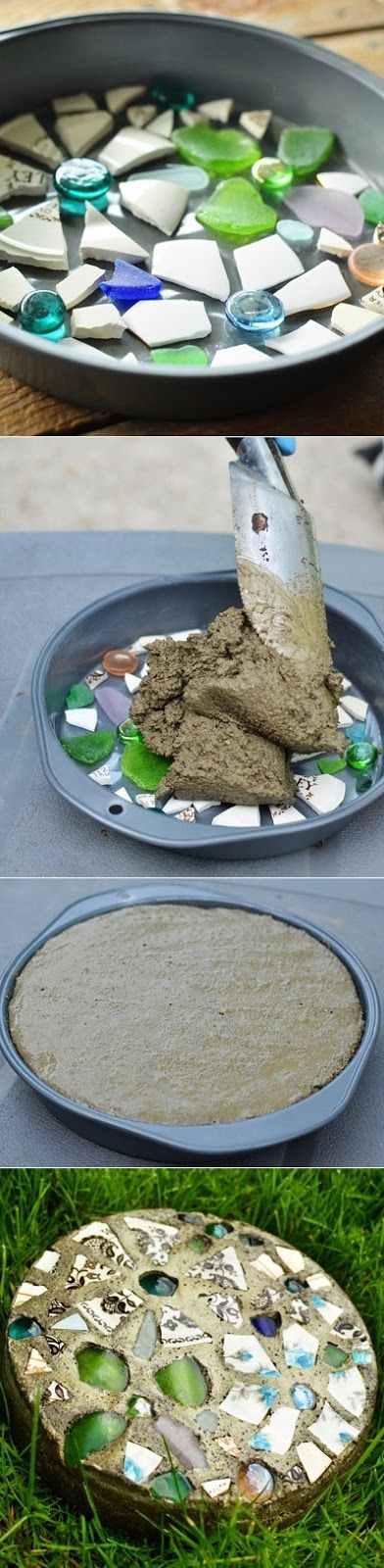
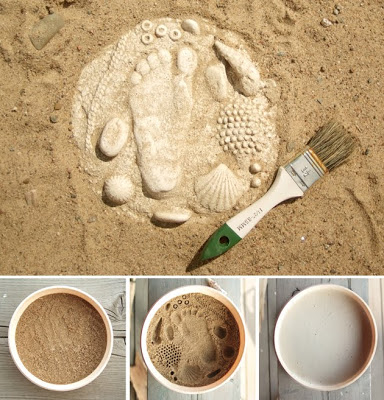
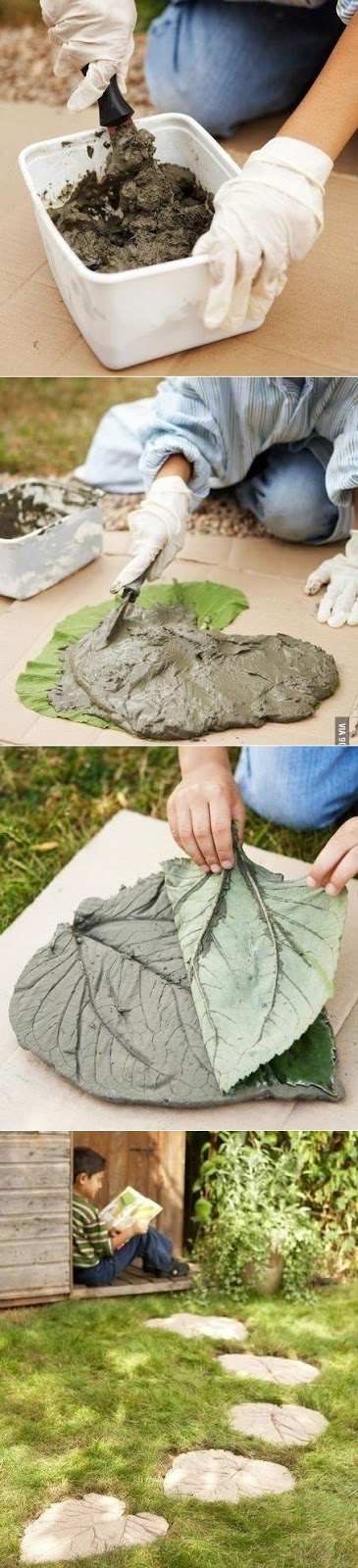
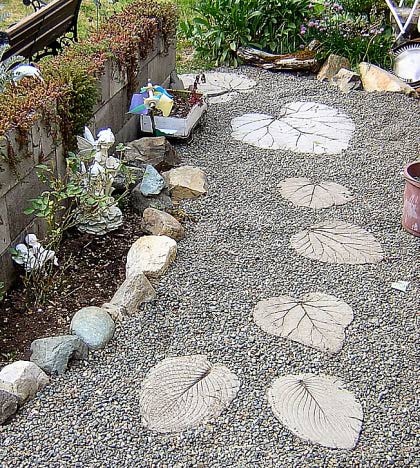
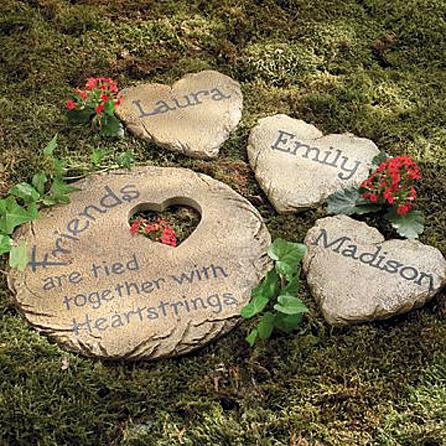
- DIY Concrete Molds: Create your own custom stepping stones in fun shapes or with decorative imprints.
- Reclaimed Materials: Repurpose bricks, old patio stones, or even slices of tree trunks for a rustic, eco-friendly path.
How to Make a Stepping Stone Path: Simple Steps
1. Plan Your Layout
Sketch the path on paper or lay out the stones on the ground to visualize spacing and direction. For comfortable walking, space stones about 18–24 inches apart (measured from the center of one stone to the next).
2. Prepare the Ground
Mark each stone’s position, then use a spade to remove a patch of sod or soil slightly larger and deeper than the stone itself.
3. Create a Stable Base
Add a 2–3 inch layer of sand, gravel, or crushed stone to the hole and level it. This ensures proper drainage and helps prevent stones from shifting.
4. Set the Stones
Place each stone in its hole, pressing it firmly into the sand base. Use a level to check that the surface is even with the surrounding soil or slightly above it.
5. Fill the Gaps
Fill the spaces between stones with soil, gravel, moss, creeping thyme, or other ground covers for a natural look.
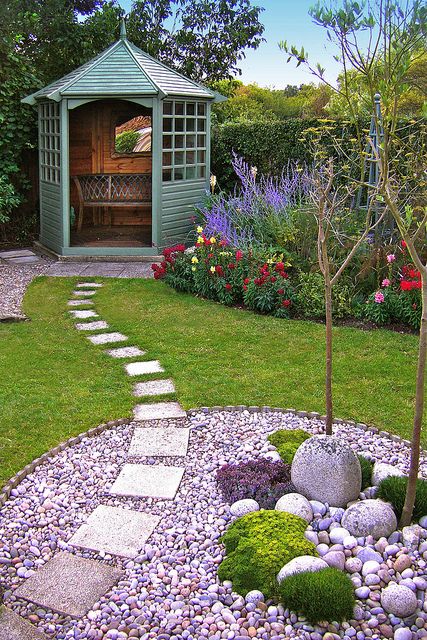
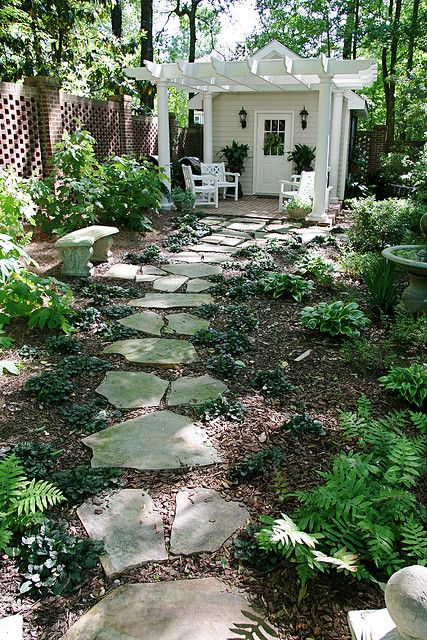
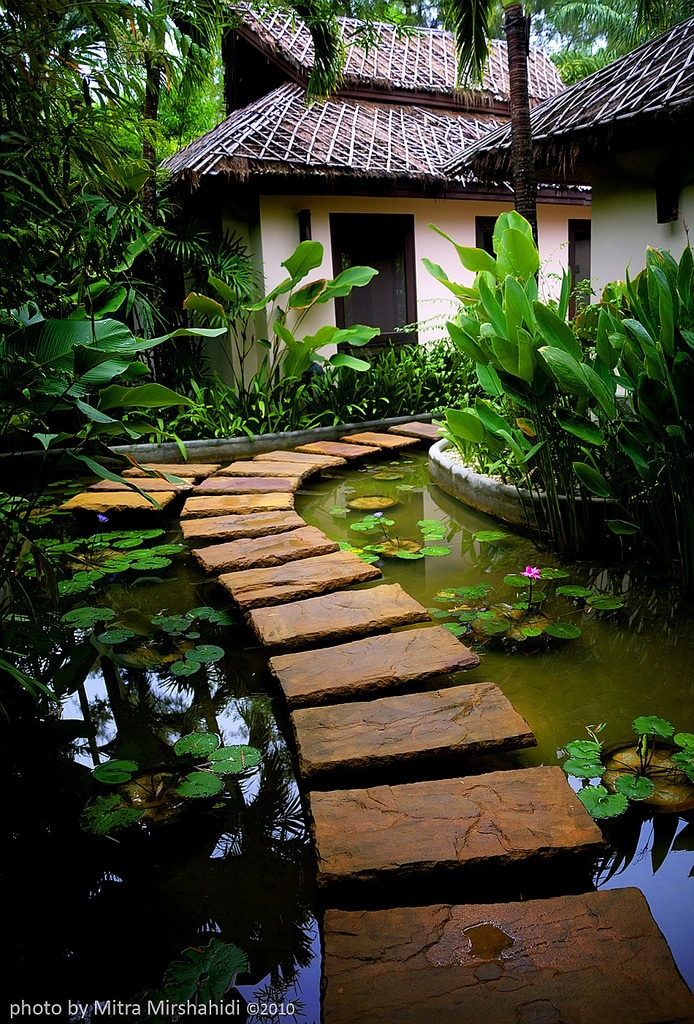
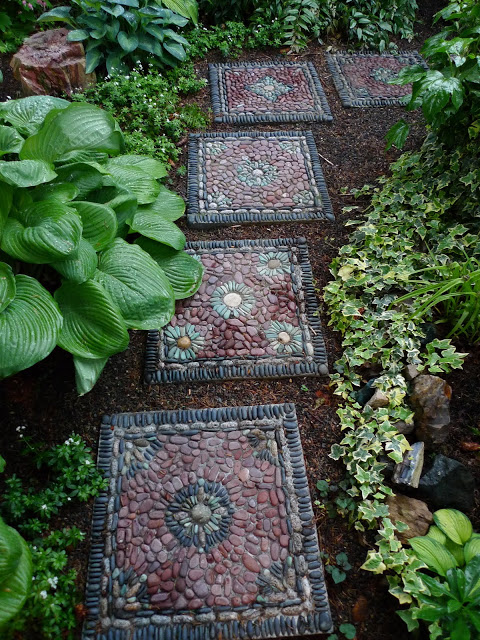
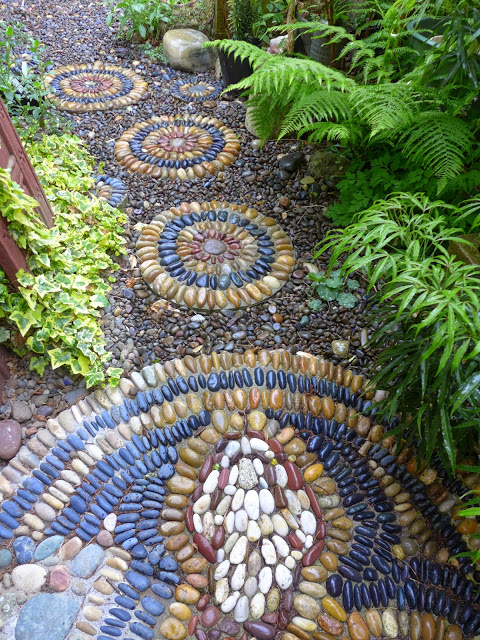
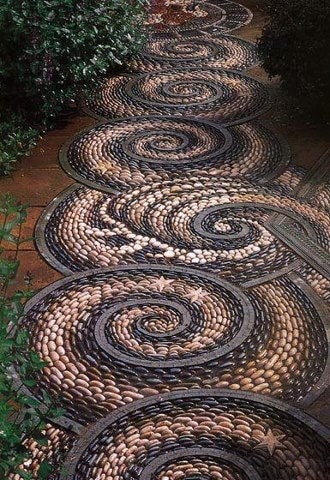
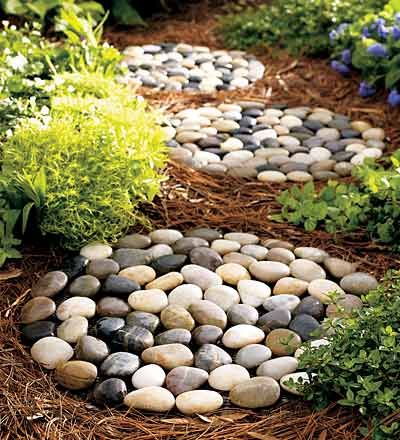
Take a look at the pictures and make your own path in your garden by using stepping stones. Enjoy and have fun!
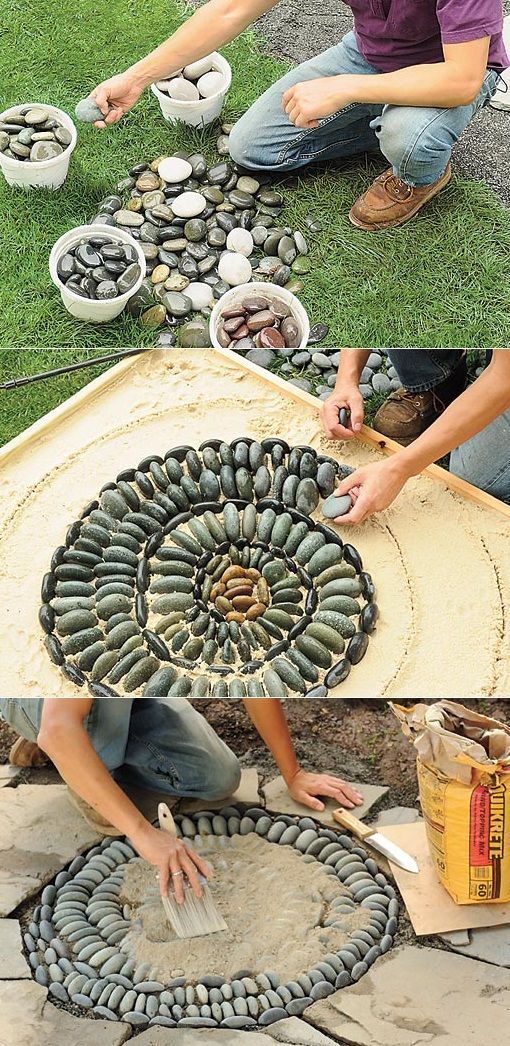
Tips for a Successful Stepping Stone Path
- Choose Stones Wisely: Flat stones with rough surfaces are safer and more comfortable for walking.
- Mind the Gaps: Keep gaps between stones consistent to avoid awkward steps.
- Consider Drainage: Slightly sloping the path or using a gravel base prevents puddling after rain.
- Add Lighting: Solar lights along your stepping stone path enhance safety and beauty at night.
- Use Durable Materials: Natural stone lasts longer and withstands weather better than cheap concrete.
Building a stepping stone path is a simple, affordable, and highly rewarding DIY garden project that instantly upgrades your outdoor space.
With just a little planning and creativity, you can design a path that’s both functional and beautiful—guiding guests through your landscape and enhancing the natural charm of your garden.
So gather your materials, unleash your creativity, and start designing your dream garden path today.
Whether you’re aiming for a rustic, casual trail or a polished, formal walkway, stepping stones are the perfect way to add lasting character and magic to your home.