Growing houseplants in water is a simple, mess-free, and rewarding way to enjoy indoor greenery.
This method requires minimal equipment and maintenance, making it perfect for beginners or anyone looking to simplify their plant care routine.
With water-based propagation, you don’t need soil—just water, a container, and a little patience.
In this article, we’ll explore 17 houseplants that thrive in water, along with detailed care instructions and benefits.
Why Grow Houseplants in Water?
- Low Maintenance: No soil to deal with, less mess, and fewer pests.
- Eco-Friendly: Reduces water waste compared to traditional planting.
- Easy Propagation: Many plants root easily in water.
- Aesthetic Appeal: Clear glass containers showcase the beauty of roots.
Now let’s dive into the best houseplants you can grow in water.
1. Pothos (Epipremnum aureum)
Description: Known for its heart-shaped leaves and trailing vines, pothos is one of the easiest plants to propagate in water.
Care Tips:
- Use clean water and change it every 1-2 weeks.
- Place in indirect sunlight.
- Add liquid fertilizer every month for healthy growth.
Benefits:
- Excellent air purifier.
- Thrives in various lighting conditions.
2. Spider Plant (Chlorophytum comosum)
Description: Spider plants are resilient, with arching leaves and small plantlets that dangle like spiders on a web.
Care Tips:
- Place spiderettes in water with nodes submerged.
- Change water every week.
- Keep in bright, indirect light.
Benefits:
- Known for its air-purifying qualities.
- Grows rapidly in water.
3. Lucky Bamboo (Dracaena sanderiana)
Description: Often associated with good luck, this plant grows well in water.
Care Tips:
- Keep roots submerged in water.
- Use distilled or filtered water.
- Avoid direct sunlight.
Benefits:
- Brings a touch of Zen to any space.
- Easy to shape into decorative forms.
4. Philodendron (Philodendron spp.)
Description: Known for its large, glossy leaves, the philodendron is a fast grower.
Care Tips:
- Place cuttings in water with a node submerged.
- Refresh water weekly.
- Provide bright, indirect light.
Benefits:
- Air-purifying.
- Adaptable to various environments.
5. English Ivy (Hedera helix)
Description: A trailing vine with lobed leaves, English ivy is a classic choice.
Care Tips:
- Place cuttings with nodes in water.
- Change water every few days.
- Keep in bright, indirect light.
Benefits:
- Helps remove airborne toxins.
- Creates a beautiful cascading effect.
6. Coleus (Plectranthus scutellarioides)
Description: Known for its vibrant, colorful foliage.
Care Tips:
- Place cuttings in water.
- Keep water fresh.
- Provide plenty of indirect sunlight.
Benefits:
- Adds a splash of color to indoor spaces.
- Grows quickly.
7. Swiss Cheese Plant (Monstera deliciosa)
Description: This plant’s iconic split leaves make it a popular indoor plant.
Care Tips:
- Use a cutting with an aerial root.
- Place in water and change every week.
- Position in indirect sunlight.
Benefits:
- Unique, decorative foliage.
- Thrives in water.
8. Chinese Evergreen (Aglaonema)
Description: Known for its attractive, patterned leaves.
Care Tips:
- Submerge the base of the cutting in water.
- Use room-temperature water.
- Provide indirect light.
Benefits:
- Tolerates low light.
- Air-purifying properties.
9. Wandering Jew (Tradescantia zebrina)
Description: A striking plant with purple and silver-striped leaves.
Care Tips:
- Place cuttings in water.
- Change water weekly.
- Keep in bright, indirect light.
Benefits:
- Fast grower.
- Beautiful trailing habit.
10. Basil (Ocimum basilicum)
Description: A fragrant herb that grows easily in water.
Care Tips:
- Take fresh cuttings.
- Place in water near a sunny window.
- Change water regularly.
Benefits:
- Provides fresh herbs for cooking.
- Easy to propagate.
11. Mint (Mentha spp.)
Description: Known for its refreshing aroma and taste.
Care Tips:
- Place cuttings in water.
- Change water every few days.
- Position in bright, indirect light.
Benefits:
- Ideal for culinary uses.
- Rapid growth.
12. Oregano (Origanum vulgare)
Description: A culinary herb with aromatic leaves.
Care Tips:
- Submerge stems in water.
- Refresh water weekly.
- Provide good sunlight.
Benefits:
- Useful in cooking.
- Grows easily.
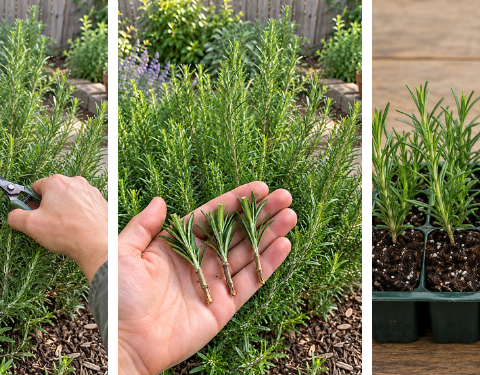
13. Rosemary (Salvia rosmarinus)
Description: A woody herb with needle-like leaves.
Care Tips:
- Take softwood cuttings.
- Place in water.
- Provide bright light.
Benefits:
- Great for cooking.
- Aromatic and attractive.
14. Sage (Salvia officinalis)
Description: Known for its earthy flavor and velvety leaves.
Care Tips:
- Place cuttings in water.
- Refresh water regularly.
- Keep in moderate light.
Benefits:
- Culinary and medicinal uses.
- Easy to propagate.
15. Thyme (Thymus vulgaris)
Description: A hardy herb with tiny leaves.
Care Tips:
- Place cuttings in water.
- Provide plenty of light.
- Change water weekly.
Benefits:
- Culinary favorite.
- Compact growth.
16. Lavender (Lavandula spp.)
Description: A fragrant plant known for its calming scent.
Care Tips:
- Take fresh cuttings.
- Place in water.
- Provide bright light.
Benefits:
- Aromatic and relaxing.
- Medicinal properties.
17. African Violet (Saintpaulia spp.)
Description: A flowering plant with velvety leaves.
Care Tips:
- Take a leaf cutting.
- Place in water.
- Avoid direct sunlight.
Benefits:
- Produces beautiful flowers.
- Easy to propagate from leaves.
Tips for Growing Plants in Water
- Use Clean Water: Filtered or distilled water is best.
- Provide Indirect Light: Direct sunlight can cause algae growth.
- Change Water Regularly: Refresh water every 1-2 weeks.
- Use Glass Containers: Clear jars allow you to monitor root development.
- Add Nutrients: Use a water-soluble fertilizer monthly.
Growing houseplants in water is a fun, convenient, and visually appealing way to cultivate greenery indoors.