If mosquitoes, flies, and other pesky bugs are ruining your time outdoors, you’re not alone.
Insects are more than just a nuisance—they can carry diseases, cause allergic reactions, and make outdoor living unpleasant.
While store-bought bug sprays are effective, many contain harsh chemicals like DEET that can irritate the skin, harm the environment, and raise health concerns with long-term use.
Fortunately, there’s a safer, more natural alternative. You can make your own homemade mosquito, fly, and bug repellent using simple, plant-based ingredients that are gentle on your skin, safe for children and pets (with caution), and tough on bugs.
This natural solution is easy to make, cost-effective, and surprisingly effective—without the chemicals.
In this article, you’ll learn how to make a powerful homemade bug spray, understand why it works, and discover additional tips to help you keep bugs away naturally.
Why Choose a Homemade Bug Repellent?
Choosing a homemade, natural bug repellent has several advantages:
1. Safer for People and Pets
Natural repellents use essential oils and plant-based ingredients instead of synthetic chemicals. When diluted properly, these ingredients are safe for most adults and children over age three.
Some precautions are still necessary for pets, especially around oils like tea tree and clove.
2. Environmentally Friendly
Homemade sprays break down quickly and don’t contribute to environmental pollution. They’re also less likely to harm beneficial insects like bees and butterflies when used responsibly.
3. Customizable
You can tailor the strength and scent of the repellent to your preference, using a blend of essential oils that you enjoy and that effectively repel the pests in your region.
4. Budget-Friendly
With a few ingredients, you can create multiple batches of repellent that cost far less than commercial brands—especially those marketed as “natural.”
The Best Essential Oils for Bug Repellent
Essential oils are the key ingredients in any effective natural insect repellent. Many of them contain compounds that insects find unpleasant or toxic.
Here are some of the most effective:
-
Lemon Eucalyptus Oil – Contains PMD, shown in studies to be as effective as low concentrations of DEET.
-
Citronella Oil – A well-known mosquito repellent derived from lemongrass.
-
Lavender Oil – Soothes the skin and repels mosquitoes and flies.
-
Peppermint Oil – Deters mosquitoes, ants, spiders, and ticks.
-
Tea Tree Oil – Has antimicrobial properties and works well against biting insects.
-
Geranium Oil – Effective against ticks and stable flies.
-
Cedarwood Oil – Known to repel mosquitoes, moths, and other insects.
-
Clove Oil – Very potent against mosquitoes; use in low concentrations.
Always use therapeutic-grade essential oils and never apply undiluted oils directly to the skin.
How to Make Homemade Bug Repellent That Works
This recipe combines several insect-repelling oils in a skin-safe, easy-to-apply formula.
Ingredients:
-
½ cup witch hazel (natural astringent and mild preservative)
-
½ cup distilled water
-
1 tablespoon vegetable glycerin (optional, helps mixture stick to skin)
-
25 drops lemon eucalyptus essential oil
-
15 drops lavender essential oil
-
10 drops peppermint essential oil
-
10 drops citronella essential oil
-
1 clean glass spray bottle (preferably amber or cobalt to protect the oils from light)
Instructions:
-
In a measuring cup or bowl, combine the witch hazel and distilled water.
-
Add the vegetable glycerin if using.
-
Add all essential oils and stir or shake well to mix.
-
Pour into the spray bottle.
-
Shake well before each use.
Store the bottle in a cool, dark place. The repellent will stay effective for 4 to 6 weeks, possibly longer if refrigerated.
How to Use Homemade Insect Repellent Effectively
-
Shake the bottle well before each use to distribute the oils evenly.
-
Spray generously onto exposed skin and clothing. Avoid spraying near eyes, mouth, and open cuts.
-
Reapply every 1 to 2 hours, or after swimming or sweating heavily.
-
For children over age 3, apply to your hands first and then rub onto their skin.
-
For pets, do not apply directly. Instead, mist bedding or outdoor areas with a pet-safe diluted spray after consulting your veterinarian.
Alternate Natural Bug Repellent Options
If you prefer other forms of application or want to experiment with different DIY solutions, try these ideas:
1. Herbal Vinegar Spray
Infuse apple cider vinegar with fresh herbs like rosemary, thyme, mint, and lavender for 2 to 3 weeks. Strain and dilute with water (1:1) before spraying. This works well on outdoor furniture or garden spaces.
2. Bug Balm for Skin
Combine melted beeswax with coconut oil and add essential oils for a bug-repelling balm.
This is great for children or for application on wrists, ankles, and behind the ears.
Basic Bug Balm Recipe:
-
2 tablespoons beeswax
-
2 tablespoons coconut oil
-
1 tablespoon shea butter
-
20 drops of your chosen essential oils
Melt all ingredients except essential oils, stir until combined, remove from heat, then add oils. Pour into tins and let solidify before use.
Additional Tips to Keep Bugs Away Naturally
Insect repellents work best when combined with good prevention practices.
Here are additional ways to reduce bugs in and around your home:
Eliminate Standing Water
Mosquitoes breed in stagnant water. Empty bird baths, buckets, clogged gutters, and plant saucers regularly.
Use Yellow Outdoor Lights
Switch porch or patio lights to yellow bulbs, which are less attractive to bugs compared to standard white lights.
Grow Insect-Repelling Plants
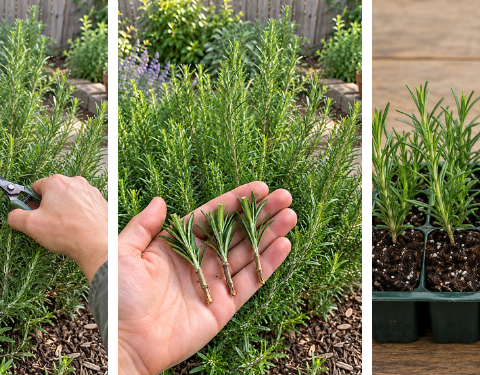
Plant herbs like basil, lemongrass, mint, rosemary, and lavender around outdoor seating areas to naturally discourage insects.
Clean Up Food and Trash Promptly
Flies and ants are drawn to crumbs, open garbage bins, and sugary drinks. Keep outdoor spaces clean, especially during cookouts.
Burn Natural Candles
Use citronella or lavender candles when entertaining outdoors. They create a protective barrier that helps keep bugs at bay.
Is Homemade Bug Repellent Safe for Everyone?
Natural doesn’t always mean risk-free.
Keep these precautions in mind:
-
Test on a small patch of skin before applying all over.
-
Avoid use on children under 3 unless recommended by a pediatrician.
-
Do not use tea tree, clove, or citrus oils on pets, as they can be toxic to animals.
-
Consult your doctor if you are pregnant, nursing, or have sensitive skin.
Making your own homemade mosquito, fly, and bug repellent is an easy, effective way to protect yourself and your loved ones without relying on harsh chemicals.
With the right blend of essential oils and natural ingredients, you can create a repellent that not only smells great but works incredibly well to keep bugs away.