Wish you could explore distant galaxies but don’t have access to a telescope? No problem—Night Sky Petunias offer a dazzling glimpse into the cosmos, right from your backyard.
With petals that look as though they’ve been dusted with stars, these breathtaking blooms are among the most spectacular and unusual flowers you can grow.
Their cosmic patterns are so mesmerizing, it’s like having your very own patch of the universe growing in a flower bed or container.
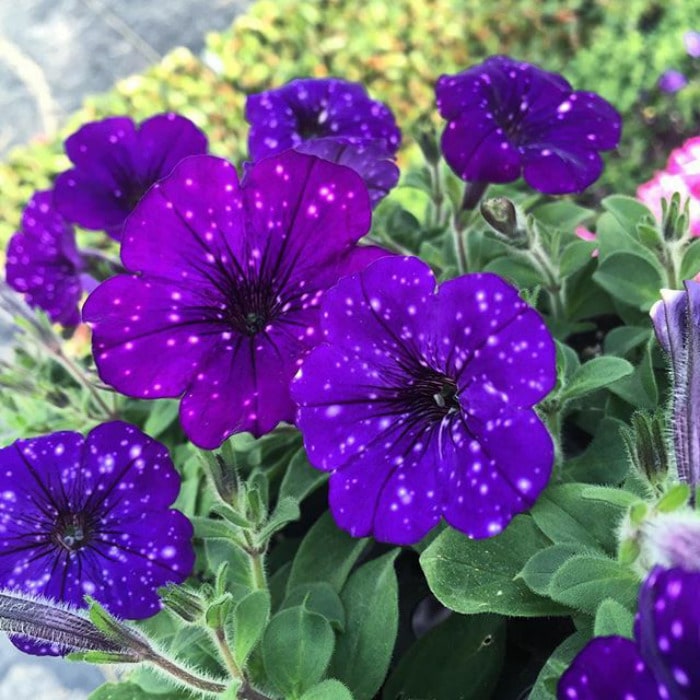
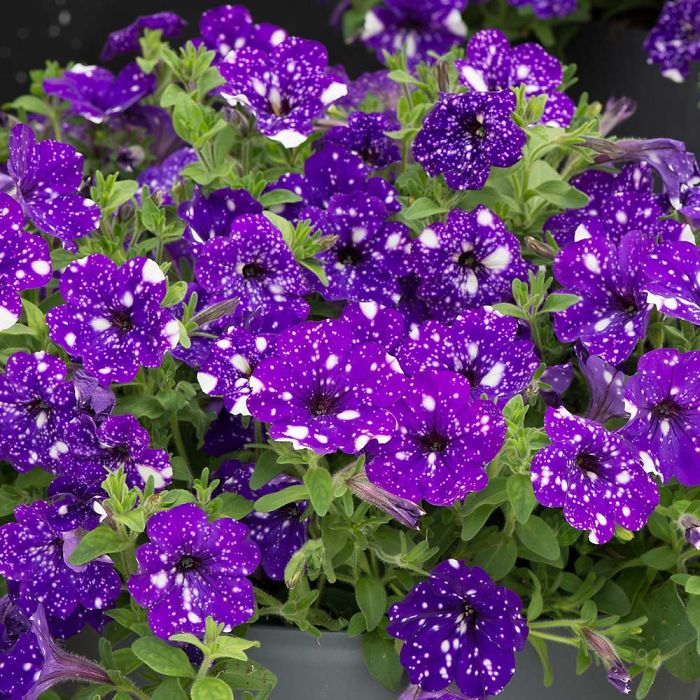
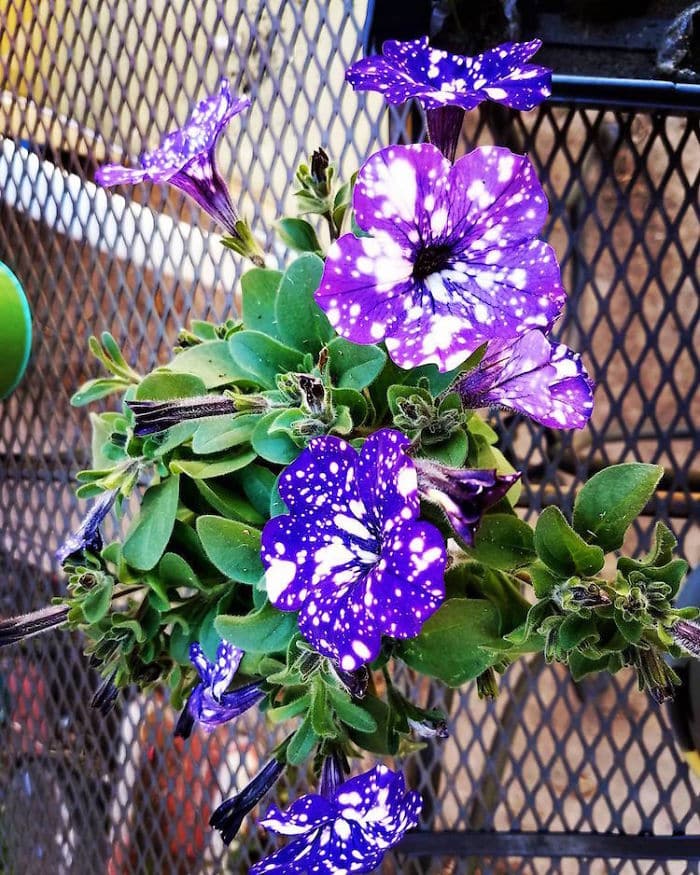
Also known by their scientific classification, Petunia cultivars, Night Sky Petunias are a unique variety of petunia bred for their deep violet-purple petals and signature starry speckles.
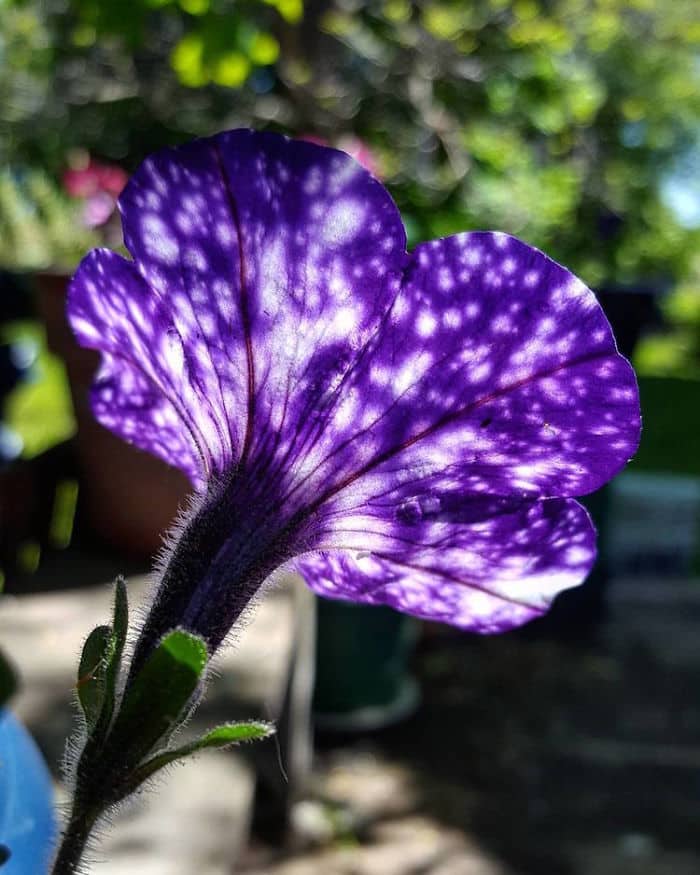
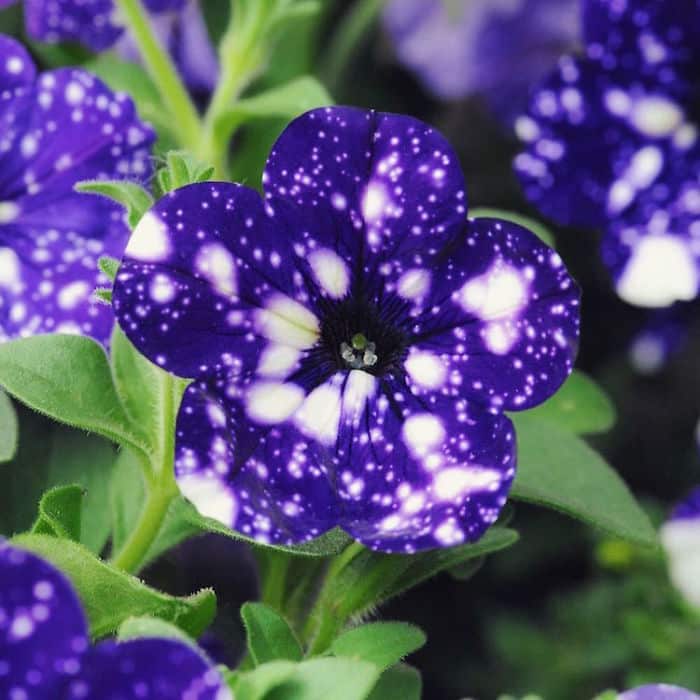
Each bloom is a one-of-a-kind masterpiece, with white dots and splotches scattered across the petals, resembling star clusters, distant galaxies, or the Milky Way itself.
These extraordinary patterns aren’t just beautiful—they’re the result of careful breeding and precise environmental conditions that influence pigment formation in the petals.
Let’s dive deeper into what makes Night Sky Petunias so magical, and how you can grow your own stunning constellation of flowers in your garden.
What Makes Night Sky Petunias So Unique?
Night Sky Petunias are more than just colorful blooms—they’re a true botanical marvel. What sets them apart from other petunias is the celestial patterning that forms on each petal.
The speckles and swirls of white appear due to temperature variations between daytime and nighttime.
- Warmer daytime temperatures (around 100°F or 37°C) intensify the purple hues.
- Cooler night temperatures (about 50°F or 10°C) enhance the white star-like spots.
This dramatic temperature shift influences pigment production in the petals, resulting in the galactic designs that give the Night Sky Petunia its name.
Every flower develops its own pattern based on its growing conditions, which means no two blooms are exactly alike—making them not only gorgeous but completely unique.
When and Where to Grow Night Sky Petunias
Night Sky Petunias are annuals, which means they complete their life cycle in one growing season.
They begin blooming a bit later than standard petunias—usually in early summer—but once they start, they’ll keep flowering through the warm months right up until the first fall frost.
To give your petunias the best chance at thriving, follow these simple guidelines:
Sunlight Requirements
Night Sky Petunias are sun-lovers.
For the richest colors and most vigorous blooms:
- Provide at least 6–8 hours of direct sunlight per day.
- A south-facing location is ideal for strong, consistent light.
Soil Conditions
These blooms love well-draining, fertile soil. Avoid heavy clay or soil that holds water.
- Use a high-quality potting mix or garden soil enriched with organic compost or aged manure.
- Aim for a slightly acidic to neutral pH (6.0 to 7.0).
Watering Needs
Once established, Night Sky Petunias are relatively drought-tolerant, but they do not like soggy soil.
- Water deeply but infrequently, allowing the soil to dry out slightly between waterings.
- Avoid getting the foliage wet to prevent fungal issues.
Temperature Control
To achieve the most stunning “galaxy effect,” try to replicate the cool night/warm day cycle:
- Grow your plants outdoors in spring and early summer when temperature swings are more common.
- If you’re growing in containers, you can move them indoors at night to help create this temperature differential.
How to Grow Night Sky Petunias: Step-by-Step
1. Start from Seed or Buy Established Plants
While seeds may be available from specialty retailers, most gardeners find it easier to purchase young transplants or starter plants from nurseries.
If starting from seed:
- Begin indoors 8–10 weeks before your last expected frost.
- Use a seed-starting mix and place in a warm area with bright light or under grow lights.
2. Choose the Right Location
Pick a sunny, open space with good air circulation—this helps prevent mildew and encourages strong growth.
Ideal settings:
- Garden beds with full sun exposure
- Hanging baskets
- Window boxes
- Patio containers
3. Prepare the Soil
Before planting:
- Work in plenty of compost or organic matter.
- Mix in a slow-release fertilizer to support heavy blooming.
- Ensure the soil drains freely to prevent root rot.
4. Plant with Care
- Space plants about 12 to 15 inches apart to allow for airflow and spreading.
- Water thoroughly after planting.
5. Feed Regularly
Night Sky Petunias are heavy feeders—they need a lot of energy to support their long blooming season.
- Use a balanced liquid fertilizer (such as 10-10-10) every 2 weeks.
- Alternatively, apply a slow-release granular fertilizer every 6 weeks during the growing season.
6. Deadhead Spent Blooms
To encourage continuous blooming:
- Remove faded or wilted flowers regularly.
- This prevents the plant from going to seed and redirects energy to new flower production.
7. Prune for Fuller Growth
If your petunia gets leggy or sparse:
-
Pinch back the stems by one-third to encourage bushier growth and more blooms.
8. Watch the Weather
Night Sky Petunias thrive in temperate climates.
- Extreme heat or very mild temperature swings may reduce the contrast between the purple and white on the petals.
- In very hot climates, provide afternoon shade to prevent fading.
Tips for Displaying Your Night Sky Petunias
These celestial blooms deserve to shine.
Here are a few ideas for displaying them:
- Hanging baskets: Let their trailing habit cascade over the sides like a galaxy flowing through space.
- Containers with white flowers: Pair with alyssum, daisies, or dusty miller to highlight the “stars” on the petals.
- Night-themed gardens: Create a “moonlight garden” using Night Sky Petunias, moonflowers, and other pale blooms that glow in the evening.
- Window boxes: Add starry color to patios, balconies, or window ledges where the flowers can be admired up close.
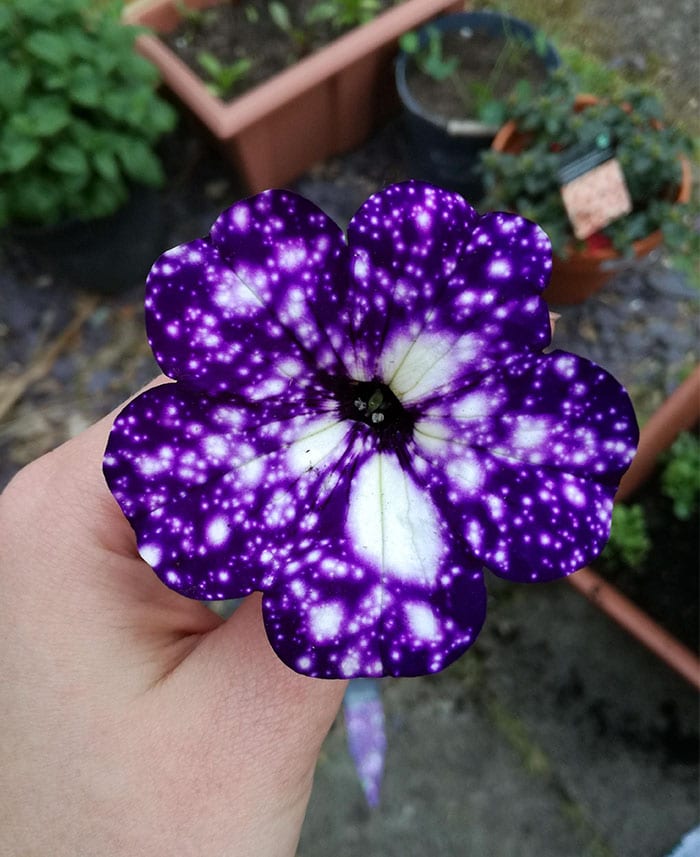
With their star-studded petals and vibrant color, Night Sky Petunias are a true marvel of the plant world—a blend of horticultural artistry and cosmic wonder.
Whether you’re a seasoned gardener or just starting out, growing these flowers adds a magical touch to your outdoor (or indoor) space.
They’re easy to care for, stunning to look at, and offer endless enjoyment from spring through fall. So, if you’re dreaming of the stars, you don’t need a telescope—just a pot of Night Sky Petunias and a patch of sunlight.