Are you ready to get your hands dirty and grow your own flavorful herb garden – but your yard doesn’t get much direct sunlight?
Don’t worry. A lack of full sun doesn’t mean you can’t enjoy a lush, productive patch of herbs. In fact, many culinary and medicinal herbs prefer partial shade, and some even thrive in low-light conditions better than in full sun.
Whether you’re planting in a shaded yard, on a balcony that only gets morning light, or under a tree canopy, this guide will show you how to grow herbs in the shade successfully.
Can You Grow Herbs in Shade?
Absolutely! Although many popular herbs like basil and rosemary are sun-lovers, others can thrive in partial shade or even deep shade.
Some herbs even prefer cooler, less intense conditions and grow better when shielded from hot afternoon rays.
In general, partial shade means your herbs receive 3 to 6 hours of sunlight a day, ideally in the morning or late afternoon. Full shade means they get less than 3 hours of direct sunlight daily.
How Much Sun Do Herbs Really Need?
The truth is, sunlight needs vary from herb to herb. Some are shade-tolerant and will grow with as little as 2–4 hours of filtered or indirect light, while others prefer at least 4–6 hours to thrive.
If you’re working with limited sun, focus on herbs known to grow well in cooler climates or woodland edges in the wild – these are naturally adapted to thrive in partial or dappled sunlight.
Tips for Growing Herbs in the Shade
Growing herbs in the shade comes with unique challenges – but with the right strategies, your plants will flourish.
1. Monitor for Leggy Growth
If your herbs start getting tall, thin, and spindly, it’s a sign they’re reaching for more light.
Pinch them back regularly to encourage bushier growth and consider rotating pots or relocating them to optimize sun exposure.
2. Water Wisely
Herbs in shaded spots require less frequent watering than those in full sun. Shady soil stays moist longer, so water only when the top inch of soil feels dry. Overwatering can lead to root rot.
3. Choose the Right Soil
Use light, well-draining soil rich in organic matter. Shady spots often have cooler, damper conditions, so avoid heavy soils that retain too much moisture.
4. Boost Airflow
Shaded areas are more prone to fungal issues. Space plants adequately and prune them as needed to improve air circulation.
5. Select Shade-Tolerant Herbs
Not all herbs are created equal – some love the sun, while others are made for the shade. Choose varieties known to perform well in lower light.
15 Best Herbs That Grow in Shade
Here’s a list of the best herbs for shady gardens, containers, patios, and balconies.
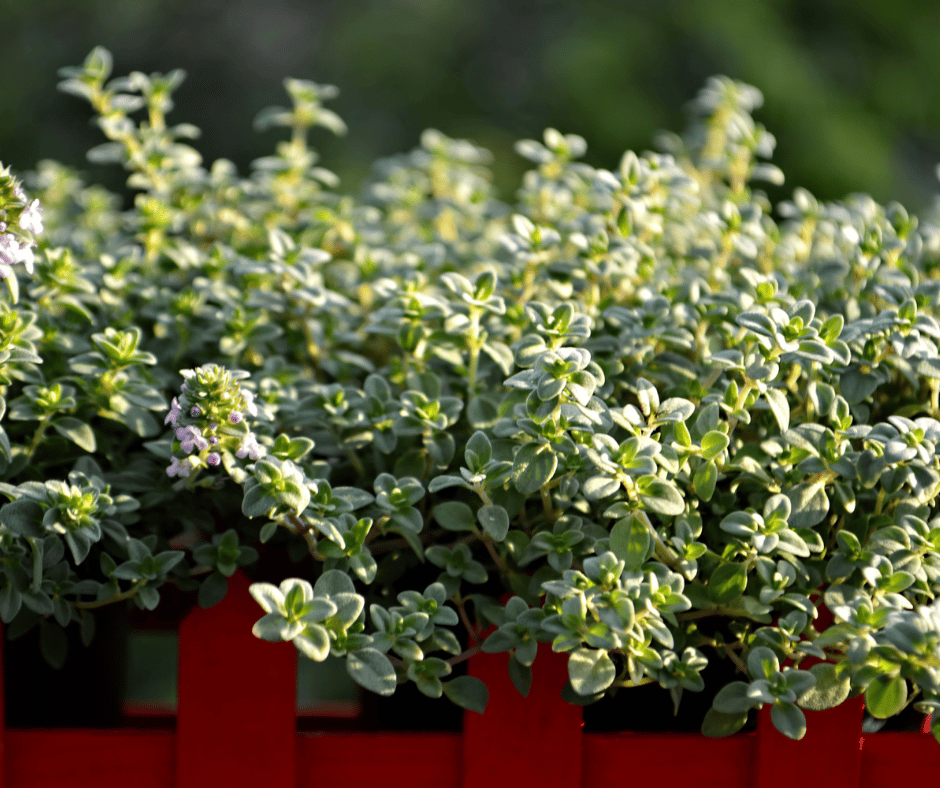
1. Thyme (Thymus vulgaris)
This low-growing perennial herb is incredibly hardy and adapts well to partial shade. It forms a fragrant groundcover with tiny leaves and purple or pink flowers in summer.
- Light Needs: Partial shade to full sun
- Best Use: Culinary seasoning, herbal medicine, pollinator-friendly groundcover
- Bonus Tip: Harvest frequently to keep it compact and encourage new growth.
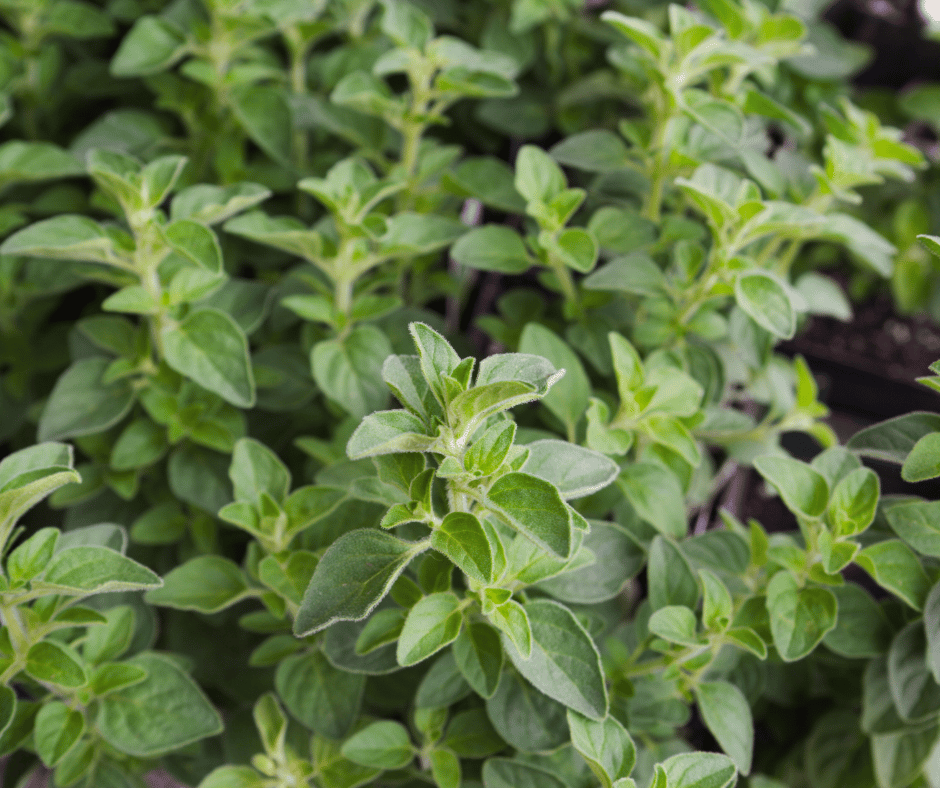
2. Oregano (Origanum vulgare)
Oregano, especially Greek or Italian varieties, grows well in partial shade and cooler environments. It’s a pungent herb perfect for pizzas, pastas, and oils.
- Light Needs: 3–6 hours daily
- Best Use: Culinary herb, ornamental groundcover
- Bonus Tip: In hot climates, it benefits from afternoon shade to avoid bolting.
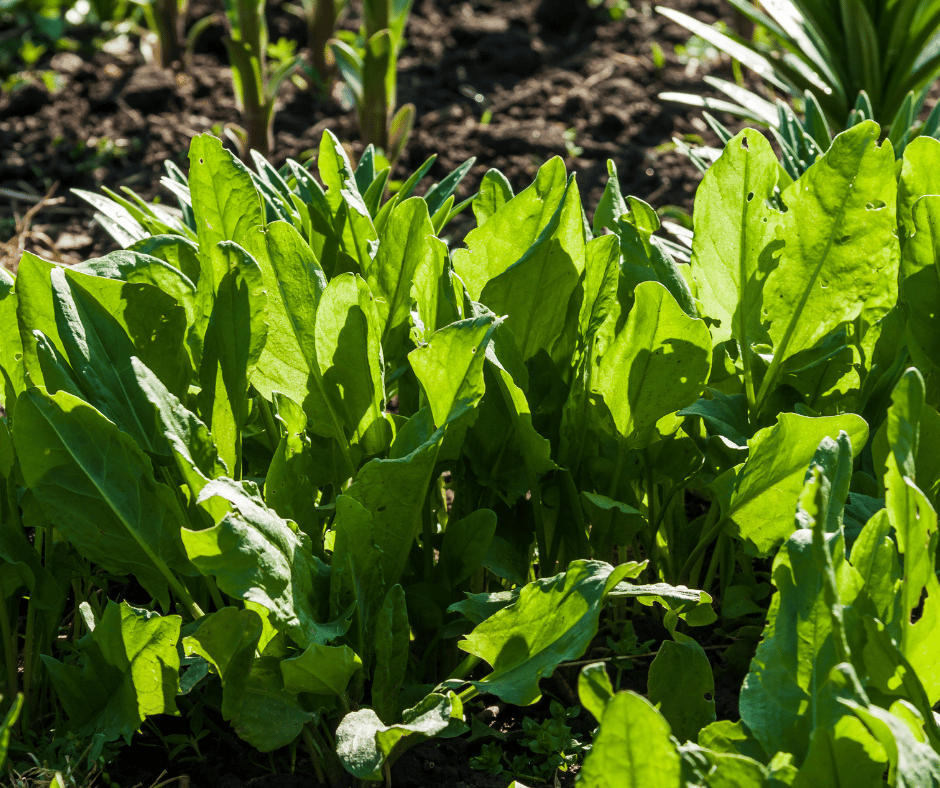
3. Sorrel (Rumex acetosa)
With its tangy, lemony leaves, sorrel is both tasty and shade-friendly. It’s a cool-season herb that thrives in partial shade and moist soil.
- Light Needs: 3–5 hours of filtered light
- Best Use: Soups, salads, and sauces
- Bonus Tip: Great for containers and raised beds.
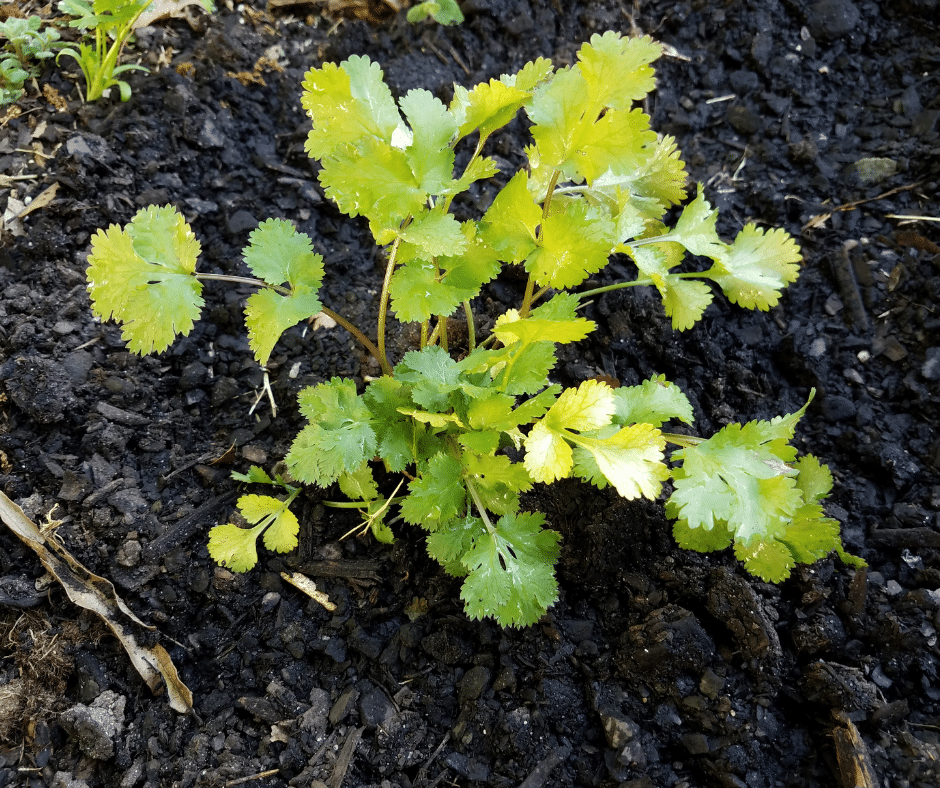
4. Cilantro (Coriander) (Coriandrum sativum)
Cilantro prefers cooler temperatures and partial shade, especially in summer. In hot weather, full sun makes it bolt quickly.
- Light Needs: 4 hours of morning sun
- Best Use: Tacos, salsas, curries, and garnishes
- Bonus Tip: Harvest leaves regularly to delay flowering.
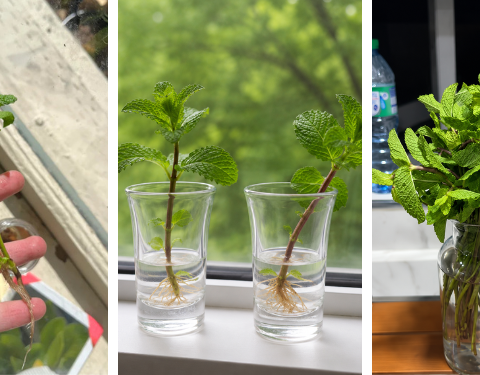
5. Mint (Mentha spp.)
Mint is a vigorous grower that spreads rapidly – even in shade. It loves moist soil and tolerates limited sunlight better than most herbs.
- Light Needs: 2–4 hours, or bright indirect light
- Best Use: Teas, mojitos, desserts, pest repellent
- Bonus Tip: Grow it in containers to keep it from spreading.
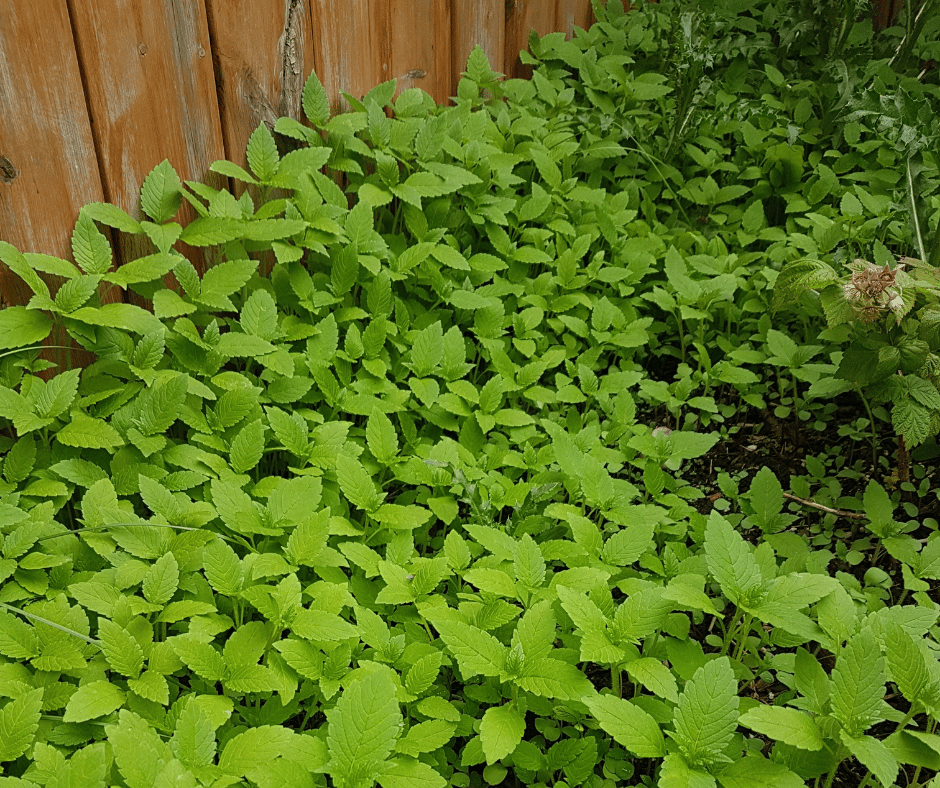
6. Lovage (Levisticum officinale)
Tasting like strong celery, lovage grows tall and elegant in partial shade. It prefers cooler climates and rich, moist soil.
- Light Needs: 4–6 hours of dappled sun
- Best Use: Soups, broths, and herbal tonics
- Bonus Tip: Its hollow stems can be used as eco-friendly straws!
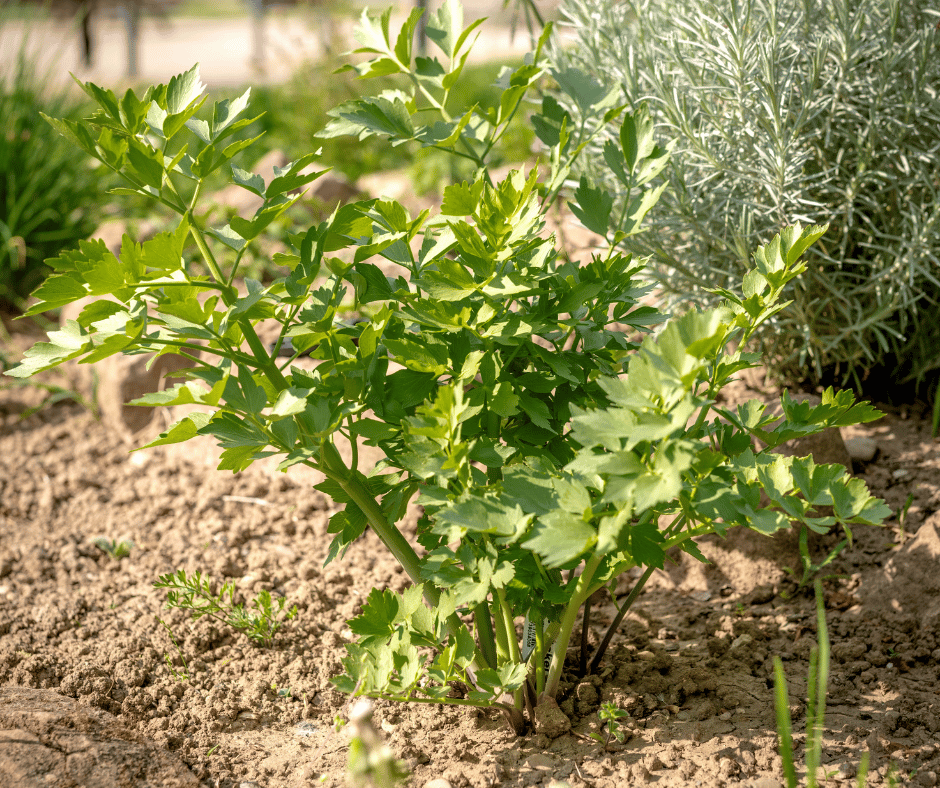
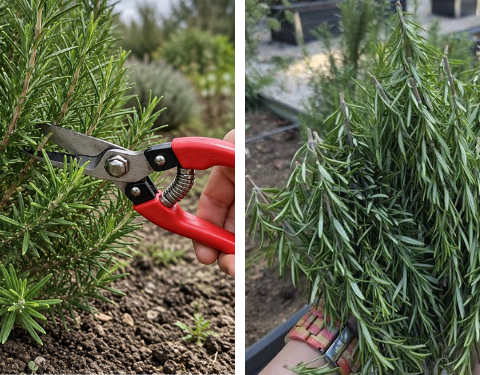
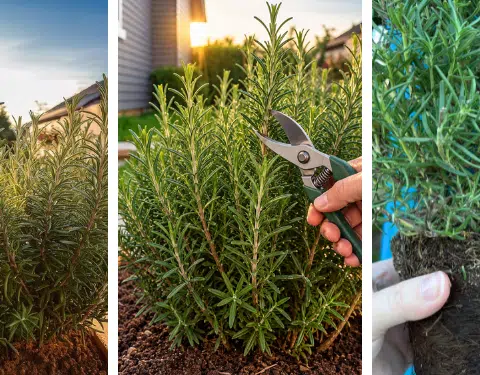
7. Rosemary (Rosmarinus officinalis)
While rosemary loves sun, some varieties will grow in partial shade if they get at least 4 hours of direct light and well-drained soil.
- Light Needs: Minimum 4 hours sun
- Best Use: Roasted dishes, infused oils, skincare
- Bonus Tip: Let soil dry out between waterings—rosemary hates wet roots.
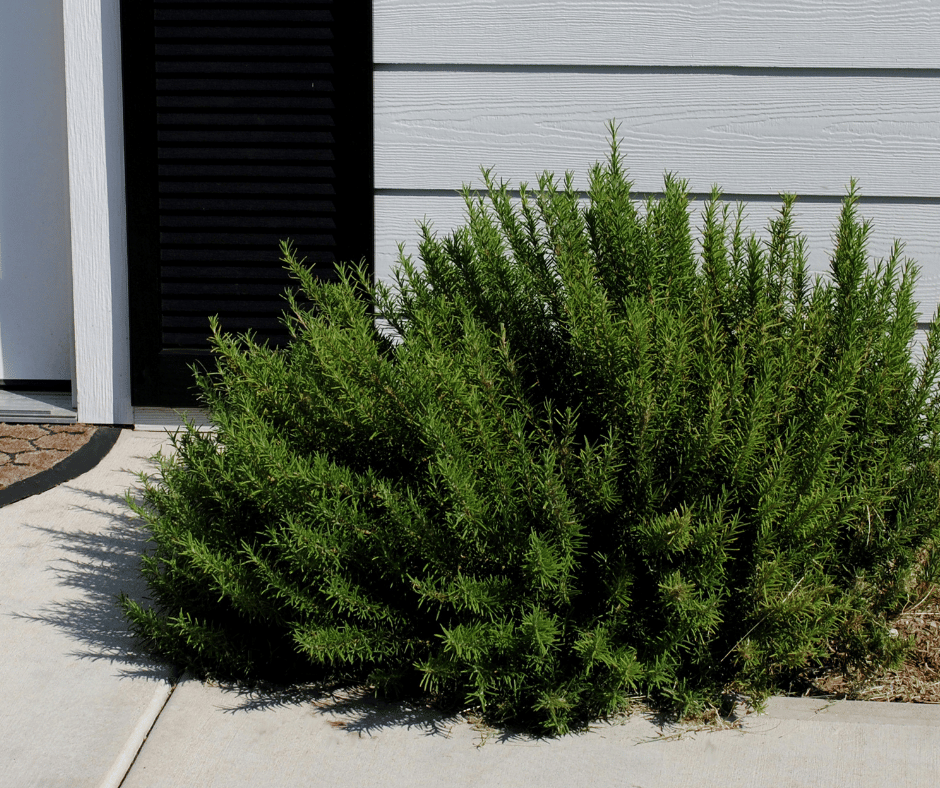
8. Summer Savory (Satureja hortensis)
This underrated herb is packed with flavor and thrives in cooler, shady spots. It grows quickly and is a great companion to beans and peas.
- Light Needs: 3–5 hours
- Best Use: Stuffings, stews, and meat rubs
- Bonus Tip: Pinch off flower buds to keep it leafy.
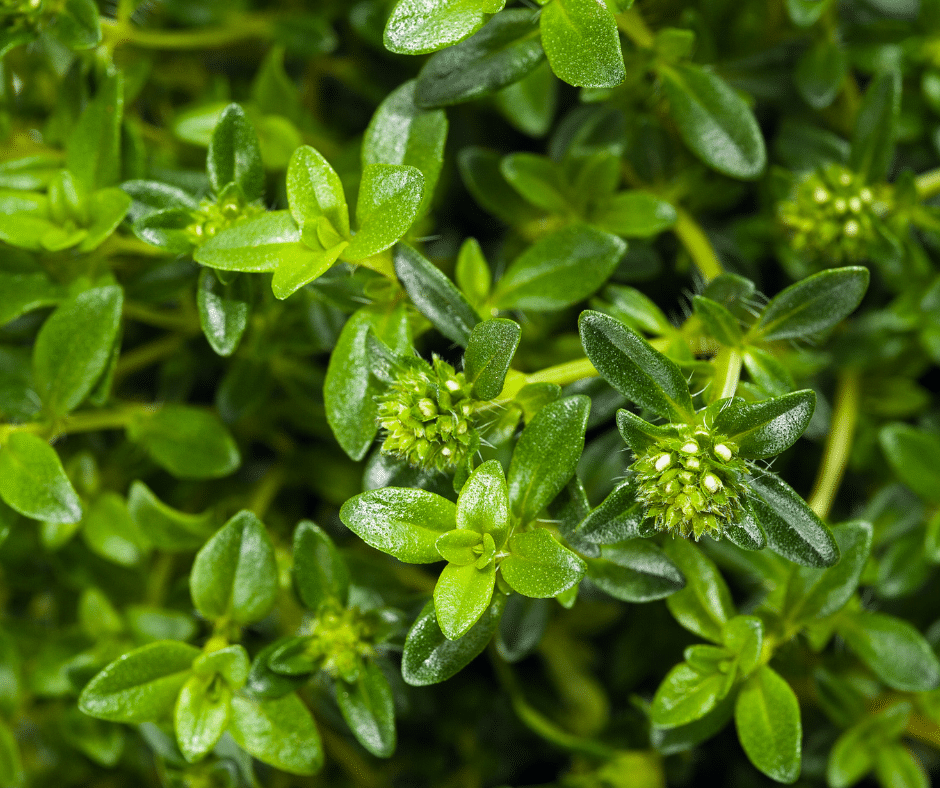
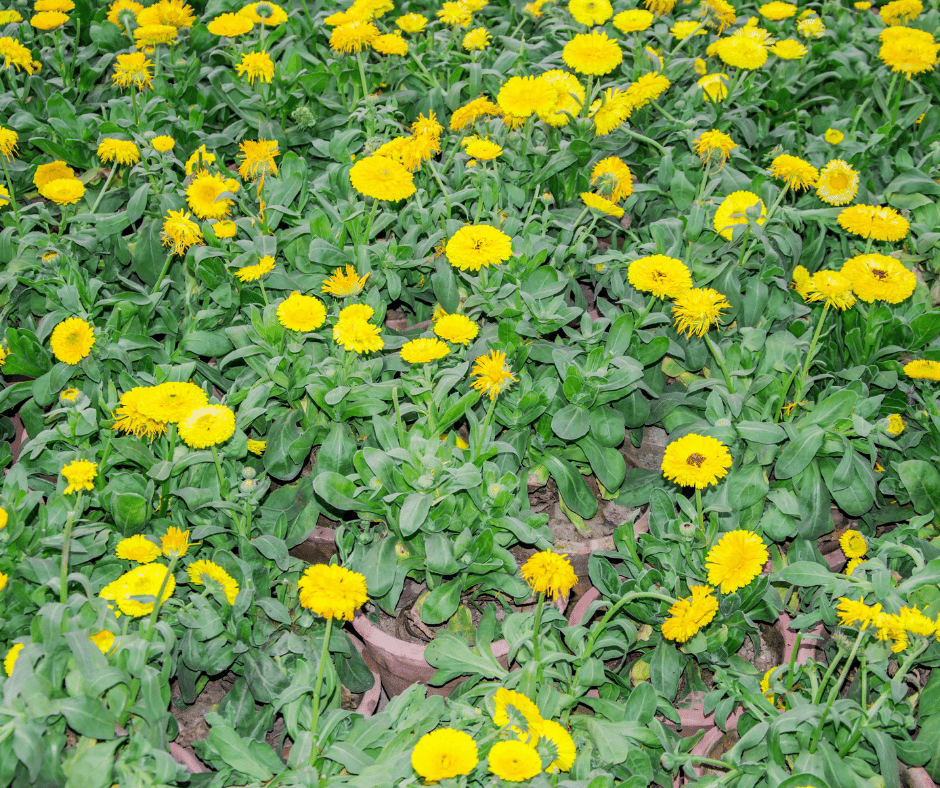
9. Calendula (Calendula officinalis)
More than just a pretty face, calendula’s edible petals and skin-healing properties make it both functional and beautiful.
- Light Needs: Partial shade
- Best Use: Herbal salves, teas, edible decor
- Bonus Tip: Deadhead regularly to extend blooming season.
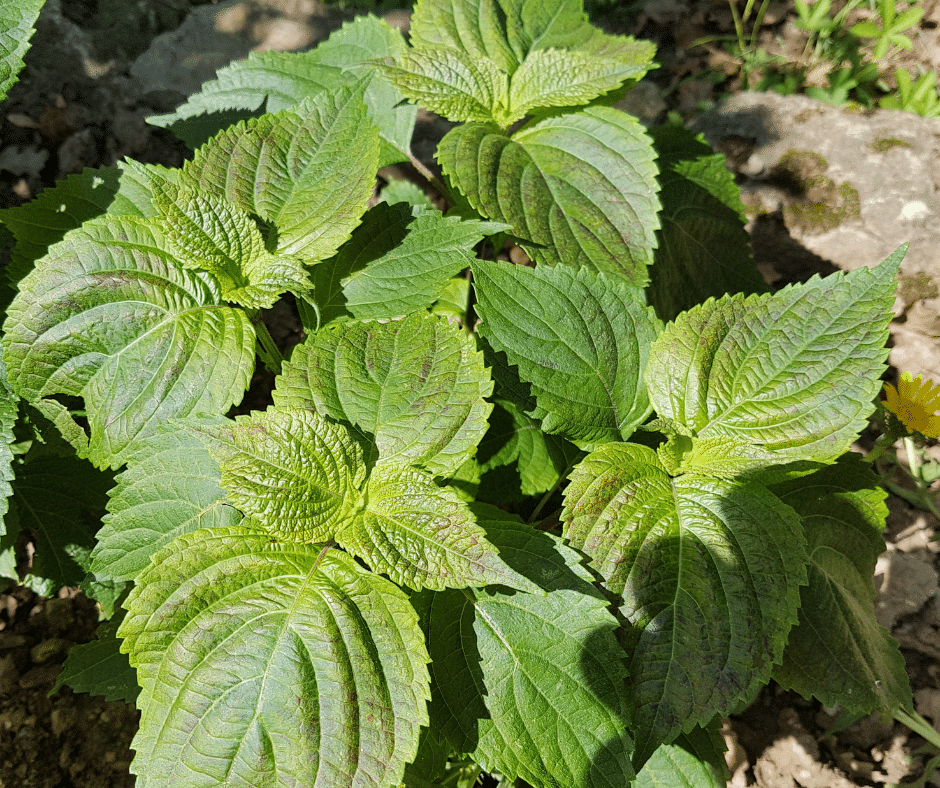
10. Perilla (Perilla frutescens)
Also known as shiso, perilla grows well in filtered light. Its frilly leaves come in green or purple and offer a spicy, anise-like flavor.
- Light Needs: 3–4 hours indirect light
- Best Use: Sushi wraps, salads, tempura
- Bonus Tip: Use purple varieties as ornamental foliage too.
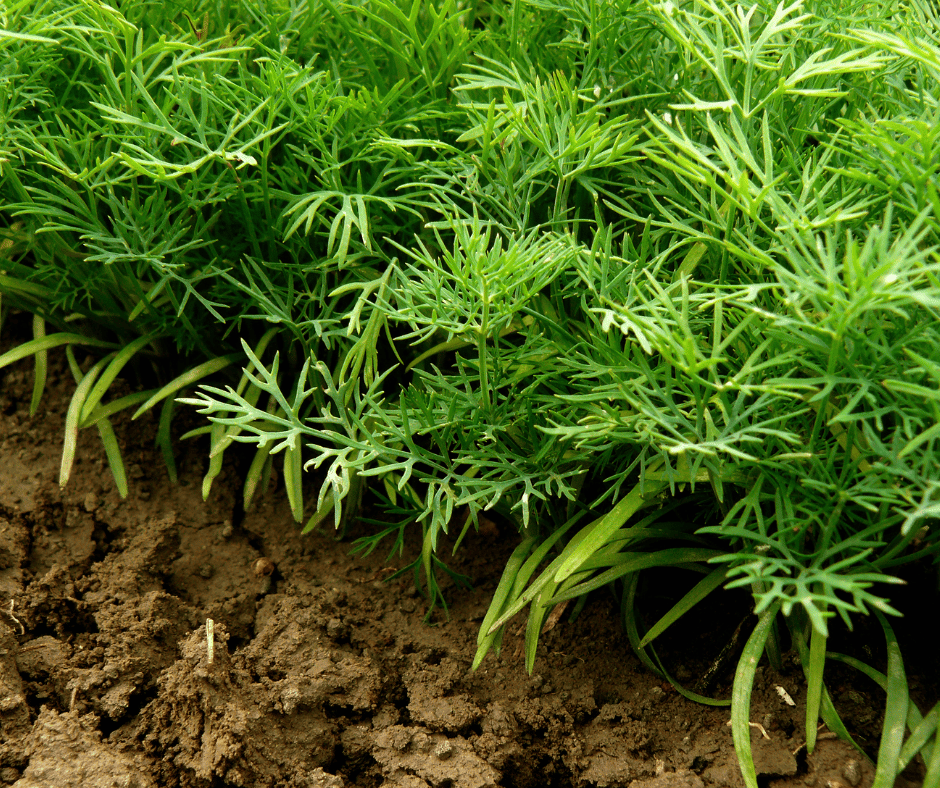
11. Dill (Anethum graveolens)
Dill typically enjoys sun, but it can grow in shade with cooler temps. Perfect for pickling, fresh salads, or adding depth to dishes.
- Light Needs: 4–5 hours
- Best Use: Pickles, fish dishes, salad dressings
- Bonus Tip: Harvest leaves before flowers appear for best flavor.
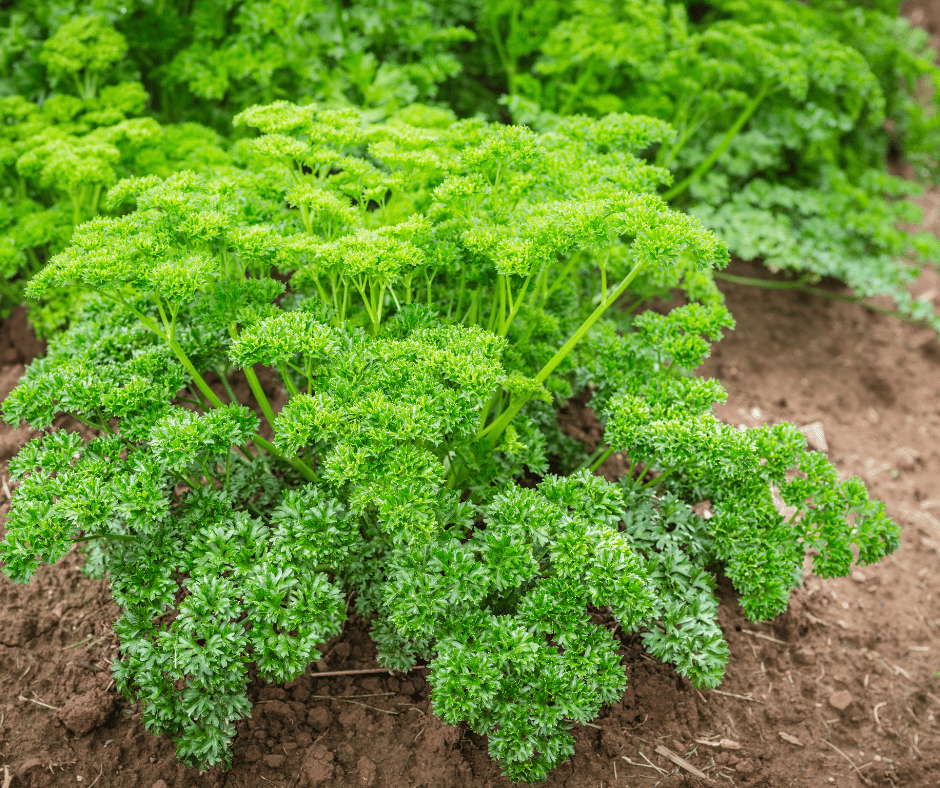
12. Parsley (Petroselinum crispum)
This biennial herb prefers partial shade in hot climates and will stay greener and tastier longer without harsh sun.
- Light Needs: 3–6 hours
- Best Use: Garnishes, tabbouleh, chimichurri
- Bonus Tip: Grow both curly and flat-leaf types for variety.
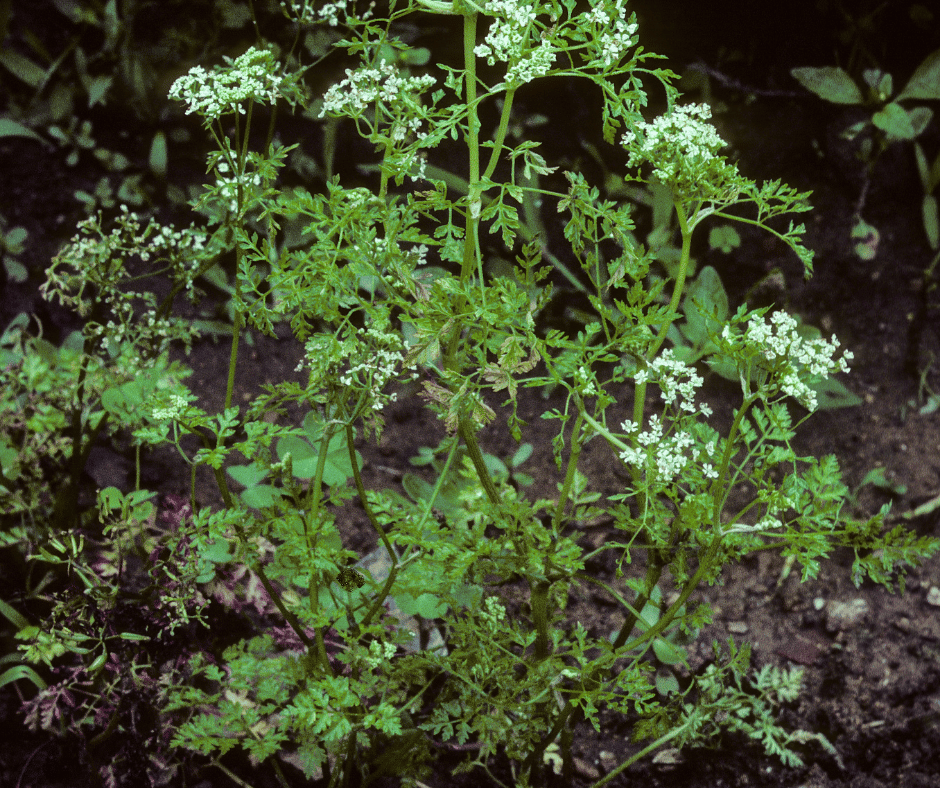
13. Chervil (Anthriscus cerefolium)
Chervil is a delicate, ferny herb with a mild anise flavor. It thrives in cooler, shady areas and bolts quickly in heat.
- Light Needs: 3–5 hours of soft morning sun
- Best Use: French cuisine, herb blends like fines herbes
- Bonus Tip: Succession sow every 2–3 weeks for a continuous harvest.
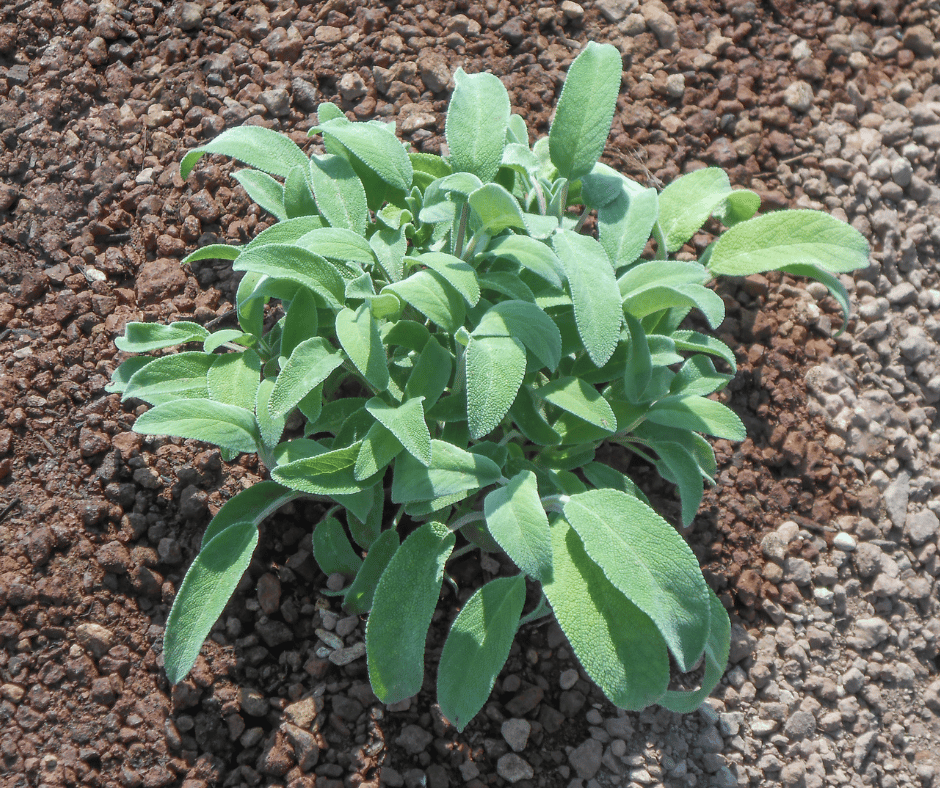
14. Sage (Salvia officinalis)
Sage tolerates partial shade better than many believe, especially in hot southern regions where full sun may be too intense.
- Light Needs: 4–6 hours daily
- Best Use: Stuffing, roasted meats, teas
- Bonus Tip: Trim often to avoid woodiness and keep the plant bushy.
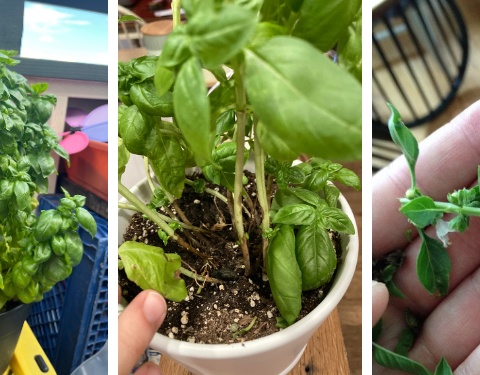
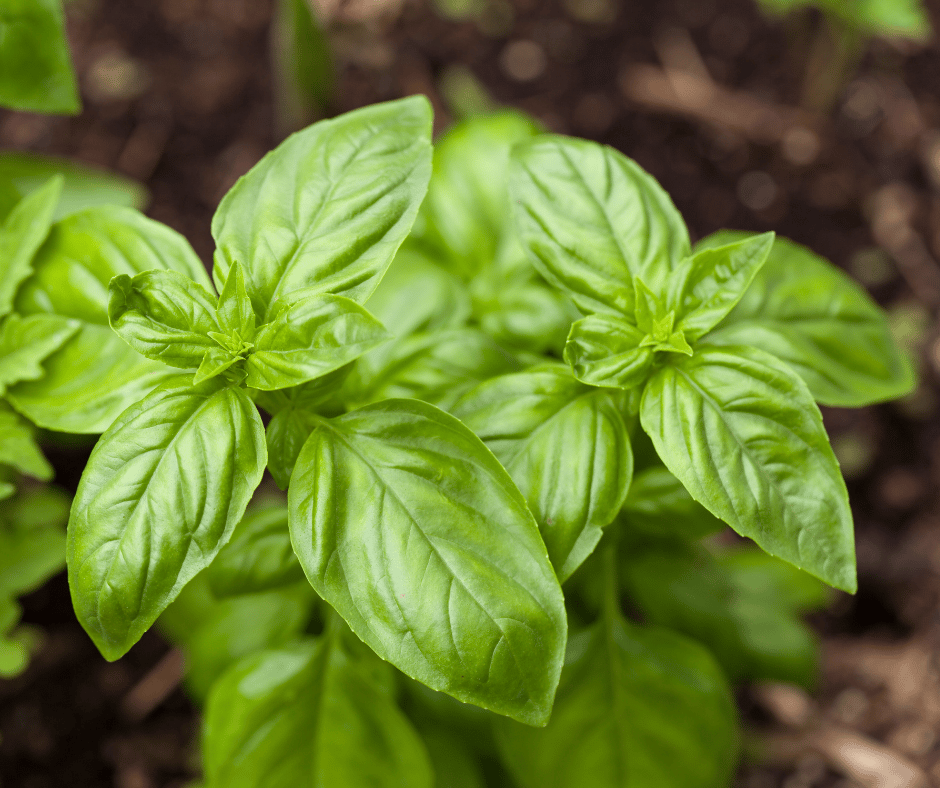
15. Basil (Ocimum basilicum)
While typically grown in full sun, basil can perform well in filtered sunlight – especially in the heat of summer.
- Light Needs: At least 4 hours per day
- Best Use: Pesto, Caprese salad, marinades
- Bonus Tip: Try shade-tolerant varieties like ‘Greek basil’ or ‘Lettuce-leaf basil.’
Don’t let a shady garden hold you back. With the right herb choices and a few adjustments, you can cultivate a flavor-packed, fragrant, and beautiful herb garden even in the darkest corners of your yard or balcony.