Cloves – those tiny, aromatic spice buds – are a staple in many global cuisines, holiday recipes, and herbal remedies.
Their warm, sweet, and slightly peppery flavor transforms both sweet and savory dishes, while their medicinal benefits have been cherished for centuries.
But did you know that you can grow your own cloves right at home? While often associated with tropical regions, the clove tree (Syzygium aromaticum) is increasingly being cultivated by adventurous home gardeners who crave a touch of the exotic in their landscapes – and in their kitchens.
This comprehensive guide will show you how to grow cloves, care for the tree, harvest the buds, and make the most of this fascinating spice.
What Are Cloves?
Cloves are the dried flower buds of the Syzygium aromaticum tree, a tropical evergreen native to the Maluku Islands of Indonesia.
These tiny buds:
- Are harvested before they open.
- Are dried until they develop their dark brown color.
- Contain a high concentration of essential oils, primarily eugenol, responsible for cloves’ intense aroma and medicinal properties.
Cloves have been prized for centuries for:
- Spicing foods and beverages.
- Flavoring baked goods and curries.
- Creating herbal teas.
- Acting as a natural remedy for dental pain, digestive issues, and inflammation.
Benefits of Growing Cloves at Home
Growing cloves at home offers many rewards:
- Freshness: Homegrown cloves can be harvested and dried for maximum potency and flavor.
- Unique gardening experience: Clove trees are visually striking with glossy green leaves and clusters of fragrant pink buds.
- Sustainable supply: No more buying expensive spice jars.
- Culinary adventures: Enjoy experimenting with cloves in your kitchen, knowing they’re truly your own creation.
- Medicinal benefits: Fresh cloves maintain higher essential oil content for herbal uses.
Can You Grow Cloves at Home?
The short answer is yes – but with some challenges. Clove trees are tropical and require:
- Warm, stable temperatures.
- High humidity.
- Plenty of moisture.
- Protection from frost.
They’re not suitable for cold climates unless grown indoors or in a greenhouse. However, if you live in USDA zones 10-12, or can simulate tropical conditions, growing cloves is achievable.
Growing Requirements for Clove Trees
Temperature
- Ideal range: 70-85°F (21-29°C).
- Cannot tolerate temperatures below 50°F (10°C).
- Sensitive to sudden temperature fluctuations.
Humidity
- Prefers humidity levels above 60%.
- Dry air can stress the plant, causing bud drop or leaf browning.
Sunlight
- Thrives in partial shade to filtered sunlight.
- Direct, intense sun may scorch young plants.
Soil
- Rich, loamy, well-draining soil.
- Slightly acidic pH between 5.5 and 6.5.
- High organic matter content is essential.
Water
- Requires consistent moisture.
- Avoid waterlogging, which causes root rot.
- Mulching helps retain soil moisture.
How to Grow Clove Trees from Seeds
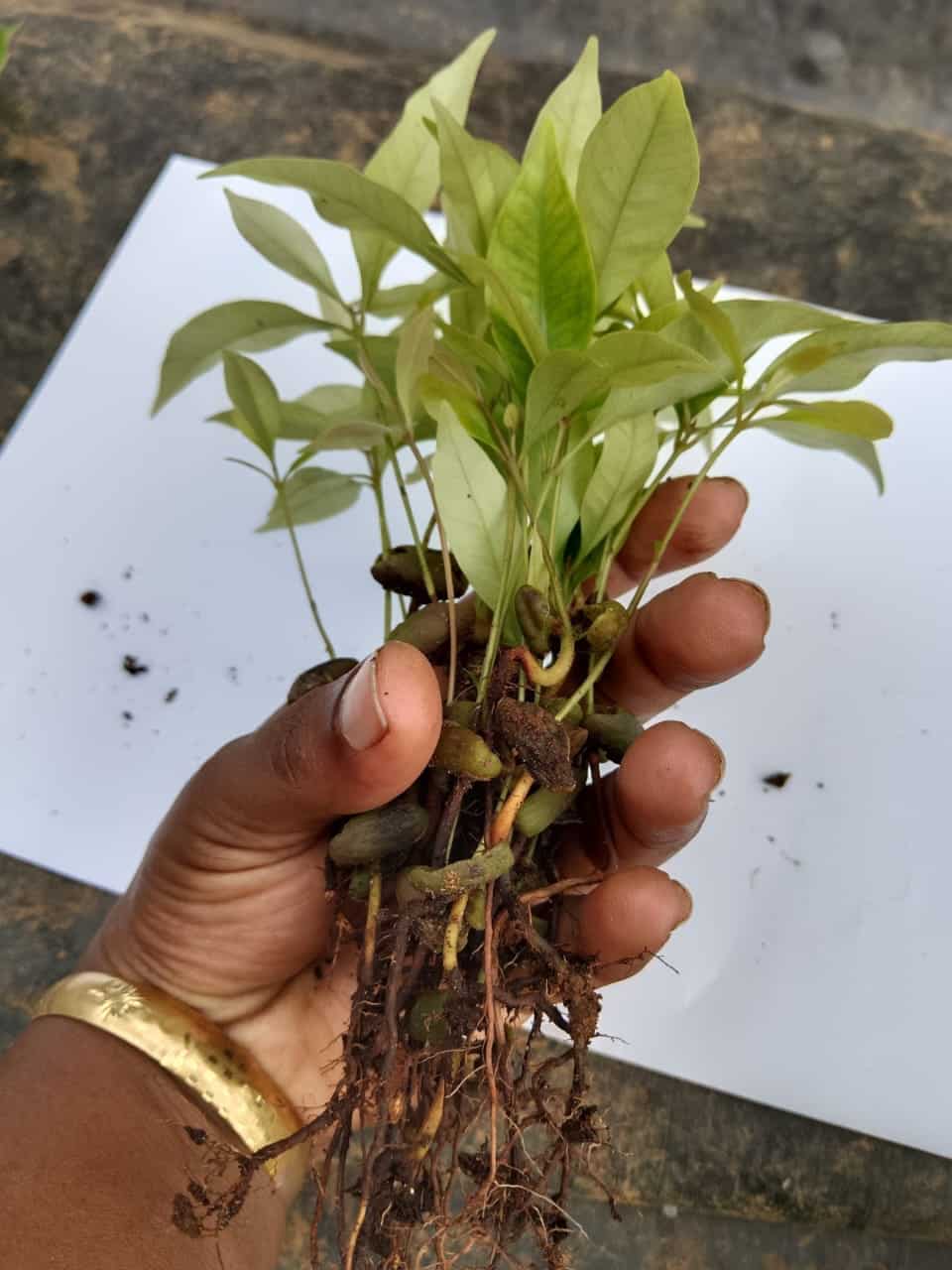
Cloves are primarily grown from seeds, though seedlings are sometimes available from specialty nurseries.
Sourcing Clove Seeds
- Obtain fresh seeds from reputable suppliers.
- Clove seeds lose viability quickly – older seeds rarely germinate.
Germinating Clove Seeds
- Soak seeds overnight in lukewarm water.
- Prepare a seed tray with moist, well-draining potting mix.
- Plant seeds about ½ inch deep.
- Maintain high humidity using a plastic dome or humidity tent.
- Keep soil temperature between 75-85°F (24-29°C).
- Germination may take 6-8 weeks or longer.
Patience is key – the clove tree is slow-growing in its early years.
Transplanting Clove Seedlings
When seedlings are 6-8 inches tall:
- Transplant into individual pots if growing indoors.
- Use large containers (at least 18 inches diameter) for longer-term growth.
- Ensure pots have excellent drainage.
If planting outdoors (in suitable climates):
- Choose a sheltered, partially shaded spot.
- Space trees about 15-20 feet apart.
Growing Cloves in Containers
Container growing is ideal for:
- Protecting plants from cold snaps.
- Moving plants to follow the sun.
- Controlling soil moisture and nutrients.
Container tips:
- Use large pots to accommodate slow-growing but eventually large root systems.
- Maintain humidity with pebble trays or misting.
- Fertilize every 4-6 weeks with balanced liquid fertilizer.
Caring for Clove Trees
Watering
- Water deeply when the top inch of soil feels dry.
- Never let the soil completely dry out.
Fertilizing
- Apply organic compost annually.
- Use balanced fertilizer (10-10-10) during active growth.
Pruning
- Minimal pruning is required.
- Remove dead or weak branches to improve airflow.
Pest and Disease Management
Clove trees are relatively pest-resistant but may occasionally suffer from:
- Scale insects
- Aphids
- Root rot from excessive moisture
Spray mild insecticidal soap if needed and maintain excellent drainage.

When Will Clove Trees Produce Flowers?
Clove trees are slow to mature. Under optimal conditions:
- Clove trees may take 6-8 years to begin flowering.
- Full production potential often occurs around 15-20 years of age.
While this sounds daunting, growing cloves can be a rewarding long-term project for patient gardeners.
How to Harvest Cloves
Cloves are harvested when flower buds develop but before they open.
Signs Cloves Are Ready:
- Buds are full-sized and slightly pink.
- Buds are firm and aromatic.
Harvesting Process:
- Hand-pick clusters of unopened flower buds.
- Spread buds in a single layer in the shade to dry.
- Turn buds daily for even drying.
- Buds darken from pink to brown as they dry.
Once fully dried, store cloves in airtight containers away from light and moisture.
Using Homegrown Cloves
Homegrown cloves can be used in countless ways:
Culinary Uses
- Spice in curries, stews, and soups.
- Flavor baked goods like cakes and cookies.
- Infuse mulled wine and cider.
- Combine in spice blends like garam masala or Chinese five-spice.
Medicinal Uses
- Chew whole cloves for temporary toothache relief.
- Make clove tea for digestive relief.
- Use clove oil (diluted) for topical pain relief.
Always consult a professional before using cloves medicinally in large doses.
Health Benefits of Cloves
Cloves aren’t just delicious – they’re medicinally powerful.
Research highlights:
- Anti-inflammatory effects: Eugenol reduces inflammation and pain.
- Antioxidant activity: Protects cells from free radical damage.
- Digestive aid: Eases bloating, nausea, and indigestion.
- Dental health: Clove oil combats oral bacteria and numbs tooth pain.
- Antimicrobial properties: Fights certain bacteria and fungi.
Including homegrown cloves in your diet can contribute to a healthier lifestyle.
Challenges of Growing Cloves at Home
While exciting, clove cultivation isn’t without hurdles:
- Long time to maturity.
- Strict temperature and humidity needs.
- Sensitivity to frost or cold drafts.
- Limited availability of viable seeds or seedlings.
- Pests and diseases if conditions become too damp.
However, for dedicated gardeners, growing cloves is a unique and fascinating endeavor.
Can You Grow Cloves Indoors?
Yes – but it’s challenging:
- Clove trees need significant sunlight. Position near south-facing windows or under grow lights.
- Maintain 60-80% humidity.
- Grow in large pots to accommodate eventual size.
- Indoor trees may take longer to flower, if at all.
While not guaranteed to produce buds indoors, a clove tree makes a beautiful tropical houseplant.
Sustainable and Ethical Considerations
By growing cloves at home, you:
- Reduce your reliance on commercially harvested cloves, which often come from regions facing environmental and labor challenges.
- Ensure your spice is grown organically and sustainably.
- Gain a deeper connection to the origins of your food.
Growing your own cloves is a journey – a blend of gardening patience and culinary reward. Imagine the satisfaction of sprinkling homegrown cloves into holiday mulled wine or homemade curries.
While cloves demand dedication and tropical conditions, the payoff is more than just the spice. It’s a conversation piece, an exotic addition to your garden, and a profound connection to centuries of spice history.