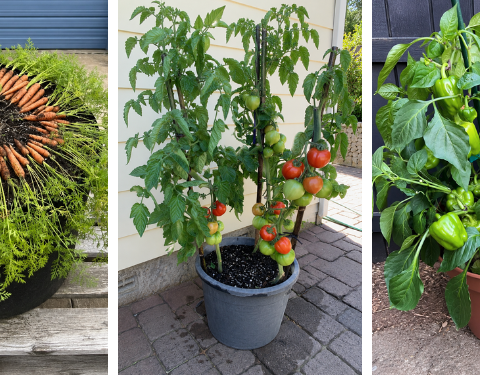
Growing potatoes in containers is an excellent solution for gardeners with limited space or those seeking a manageable and rewarding crop.
Whether you’re working with a balcony, patio, or small backyard, container-grown potatoes offer convenience, minimal weeding, and easy harvesting.
Plus, there’s something deeply satisfying about dumping out a container and discovering your homegrown spuds inside.
In this comprehensive guide, you’ll learn how to grow potatoes in containers in 10 simple steps – perfect for beginners and seasoned gardeners alike.
Follow these steps to enjoy a steady supply of fresh, flavorful potatoes all season long.
Benefits of Growing Potatoes in Containers
- Space-saving: Ideal for patios, decks, balconies, and small gardens
- Pest control: Less risk of soil-borne diseases and pests like potato beetles
- Ease of harvesting: No digging – just dump the container to find your crop
- Soil control: Custom soil mix ensures better drainage and fewer weeds
- Mobility: Containers can be moved for optimal sunlight
Best Potatoes for Containers
Choose early or mid-season potato varieties that mature quickly and are well-suited to limited space. Some excellent container-friendly varieties include:
- Yukon Gold – Creamy, golden-fleshed all-purpose potato
- Red Pontiac – Great for boiling, mashing, or roasting
- Fingerling – Small, nutty potatoes with gourmet flavor
- Charlotte – Waxy, yellow-fleshed and ideal for salads
- Russet Burbank – Classic baking potato, high yields
How to Grow Potatoes in Containers: 10 Easy Steps
Step 1: Choose the Right Container
Potatoes need depth for tuber development. Select a container that’s at least 16 inches deep and wide.
Options include:
- Large plastic pots
- Grow bags
- Buckets (food-grade)
- Wooden barrels
- Trash bins with holes drilled in the bottom
Ideal Size: Minimum 10 gallons per plant, or 3–4 seed potatoes in a 20–30 gallon container.
Ensure containers have proper drainage holes to avoid waterlogging and root rot.
Step 2: Prepare the Soil Mix
Potatoes thrive in loose, fertile, well-draining soil. A good container mix should be:
- 1 part high-quality potting mix
- 1 part compost or well-rotted manure
- Optional: 1 part coconut coir or peat moss to retain moisture
Add a handful of bone meal or an organic slow-release fertilizer high in phosphorus to support root development.
Target pH: 5.0 to 6.5
Step 3: Choose and Chit Your Seed Potatoes
Buy certified disease-free seed potatoes from a garden center or online. To improve yields, “chit” them by allowing them to sprout before planting:
- Place seed potatoes in a sunny, frost-free window or cool area.
- Let them sprout for 2–3 weeks until short green shoots (called “chits”) appear.
- Cut large potatoes into chunks, ensuring each has 1–2 eyes. Let cut sides dry for 1–2 days before planting to prevent rot.
Step 4: Plant the Seed Potatoes
- Fill your container with 4–6 inches of your soil mix.
- Place seed potatoes with the sprouts facing up.
- Space them 6–8 inches apart.
- Cover with another 3–4 inches of soil.
Don’t fill the container all the way yet – you’ll be “hilling” as the plants grow.
Step 5: Provide Proper Sunlight
Potatoes need at least 6–8 hours of full sun daily. Place your container in a bright, warm location. If needed, rotate or move the container to maximize sun exposure.
Step 6: Water Consistently
Container-grown potatoes dry out faster than those in the ground. Maintain even moisture throughout the growing season:
- Water deeply when the top 1–2 inches feel dry
- Avoid letting the soil dry out completely or become soggy
- Reduce watering slightly once plants begin flowering
Tip: Use mulch like straw or shredded leaves on top to retain moisture.
Step 7: Hill the Potato Plants
As your potato plants grow (about 6–8 inches tall), add more soil mix to cover the stems, leaving only the top leaves exposed.
This process is called “hilling” and encourages more tuber formation along the buried stem.
Hilling Schedule:
- Hill every 1–2 weeks until the container is full
- Stop hilling once flowers appear
Step 8: Feed Your Potatoes
Fertilize every 3–4 weeks with a low-nitrogen, high-phosphorus organic fertilizer or compost tea to promote strong root and tuber development.
Avoid overfeeding with nitrogen – it promotes leafy growth over potato production.
Step 9: Monitor for Pests and Diseases
While container-grown potatoes are less prone to problems, keep an eye out for:
- Aphids – Treat with insecticidal soap
- Potato beetles – Hand-pick or use neem oil
- Fungal rot – Prevent with good drainage and dry cut seed pieces
- Blight – Avoid overhead watering and rotate crops
Regularly inspect foliage and remove yellowing or damaged leaves.
Step 10: Harvest Your Potatoes
You can harvest “new potatoes” about 2–3 weeks after flowering begins by gently digging around the top layer of soil. For full-size tubers:
- Wait until foliage turns yellow and dies back (typically 90–120 days after planting)
- Stop watering 1–2 weeks before harvest to toughen skins
- Dump the container and sort through the soil
Storage Tip:
- Cure tubers in a dark, dry, well-ventilated area for 1–2 weeks
- Store in a cool, dark place (not the fridge) for several months
Bonus Tips for Growing Potatoes in Containers
- Use straw layers instead of soil for easy harvesting
- Label containers if growing multiple varieties
- Grow successively every few weeks for staggered harvests
- Reuse soil only after rotating crops and replenishing nutrients
- Try colored potatoes like purple or red for variety and antioxidants
Common Container Potato Growing Problems
- Leggy plants: Not enough sunlight
- No potatoes formed: Too much nitrogen or insufficient hilling
- Rotting tubers: Poor drainage or overwatering
- Small yields: Shallow containers, poor soil, or wrong variety
Growing potatoes in containers is a fun, accessible, and productive way to enjoy one of the most versatile vegetables.
With just a container, a bit of soil, and a few seed potatoes, you can experience the joy of harvesting your own fresh spuds right from your patio or balcony.