You’re relaxing outdoors, soaking in the warmth of the sun, and suddenly a breeze carries a sweet, unmistakable fragrance – jasmine.
Somewhere nearby, a neighbor’s garden is blooming with this intoxicating flower, and it quietly reminds you that your own garden might be missing something truly special.
Jasmine isn’t just another climbing vine; it’s a sensory experience. Let it trail over a pergola, wind through a trellis, or spill down a fence.
Allow it to wrap around an archway, softening sharp lines and adding romantic flair. Plant it near a window or balcony and let its powerful perfume transform your spring mornings and summer nights.
Types of Jasmine to Grow in Your Garden
Jasmine comes in many shapes and forms – some are shrubby, others vining. Some are scented, others prized more for foliage or color.
Here are some of the most popular and garden-worthy types of jasmine you can grow.
1. Arabian Jasmine (Jasminum sambac)
This variety is a gardener’s favorite for a reason. Arabian jasmine produces intensely fragrant, star-shaped white flowers set against glossy, dark green leaves.
The blooms are often used in teas, perfumes, and traditional garlands in Southeast Asia.
- Growth habit: Compact and bushy; also manageable as a vine
- Fragrance: Strong, sweet, and lingering
- Hardiness: Prefers warm climates (Zones 9–11)
- Best uses: Containers, patios, small gardens
While not a vigorous climber, it can be gently trained and pruned into shape for smaller garden spaces.
2. Carolina Jessamine (Gelsemium sempervirens)
Not a true jasmine, but often grouped with them due to its name and climbing habit, this southeastern U.S. native brings cheerful yellow trumpet-shaped blooms to your landscape.
- Growth habit: Vigorous climber
- Fragrance: Mildly sweet
- Hardiness: Zones 7–10
- Best uses: Fences, rockeries, wildlife-friendly gardens
This plant is ideal if you’re looking to create a low-maintenance, pollinator-friendly space with months-long bloom appeal.
3. Chinese Star Jasmine (Trachelospermum jasminoides)
One of the hardiest and most adaptable jasmine-like plants, Chinese star jasmine is known for its dense foliage, twining vines, and profuse white star-shaped flowers.
- Growth habit: Climbing or ground cover
- Fragrance: Sweet and spicy
- Hardiness: Zones 8–11
- Best uses: Trellises, walls, fences, groundcover
It’s tough enough to handle a variety of growing conditions, from full sun to partial shade, and even performs well in urban settings.
4. Japanese or Primrose Jasmine (Jasminum mesnyi)
Primrose jasmine stands out with its bright lemon-yellow blooms, a welcome change from the typical white flowers of other varieties.
Though not fragrant, its color and sprawling habit make it a standout feature in late winter and early spring.
- Growth habit: Arching shrub or climber
- Fragrance: None
- Hardiness: Zones 7–10
- Best uses: Hedges, slopes, large containers
You can prune it into a bush or let it wander along fences and trellises for a more natural look.
5. Native Jasmine (Pandorea spp.)
Often called native or bower jasmine, these vines are native to Australia and offer beautiful tubular flowers in colors ranging from white and cream to pink and even purples.
- Growth habit: Twining climber
- Fragrance: Light and fruity
- Hardiness: Varies by species
- Best uses: Arches, trellises, informal screens
These climbers are tough, drought-tolerant once established, and provide a tropical vibe to any setting.
6. Common Jasmine (Jasminum officinale)
This is the classic jasmine many gardeners think of. Its white flowers are highly fragrant, and its sprawling vines can climb high or spread low depending on support and pruning.
- Growth habit: Vigorous climber
- Fragrance: Strong, sweet, and intense
- Hardiness: Zones 7–10
- Best uses: Pergolas, large trellises, walls
It can reach heights of up to 10 feet and will eagerly twine around any nearby support, making it ideal for vertical garden design.
Garden Design Ideas for Jasmine
Jasmine can be more than just a vine; it can be a design element in your garden, adding both structure and sensory appeal. Here’s how to make the most of its beauty.
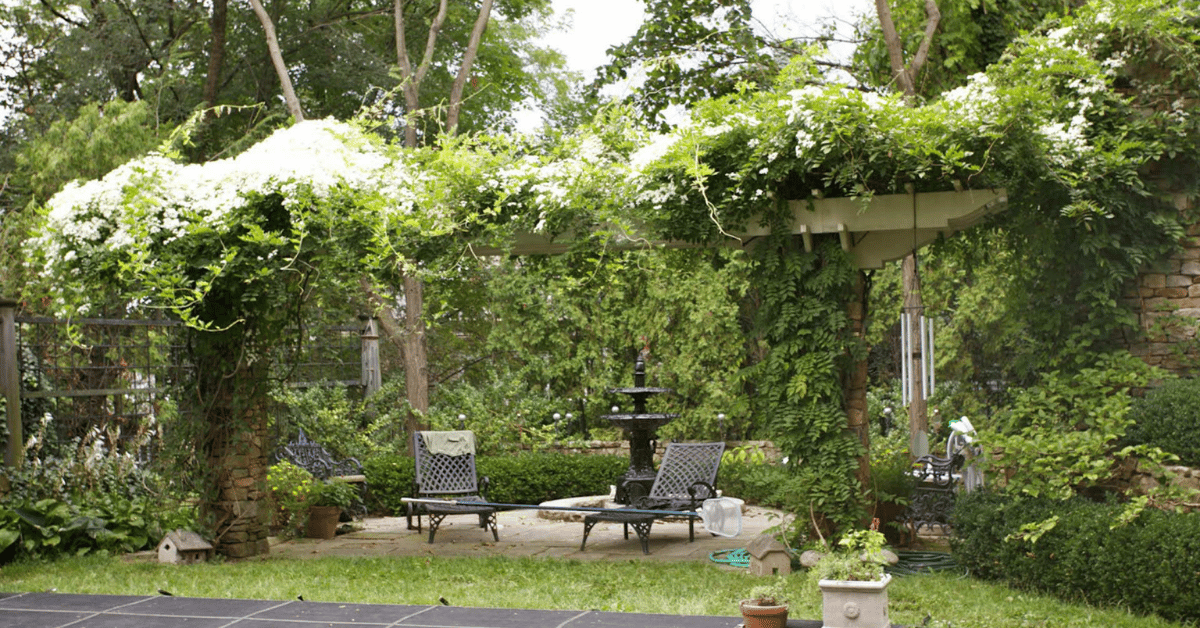
1. Over a Pergola
Let jasmine twine through the beams of your pergola to create a fragrant, shaded retreat in spring and summer.
Choose a climbing variety like common jasmine or Chinese star jasmine for a lush overhead canopy.
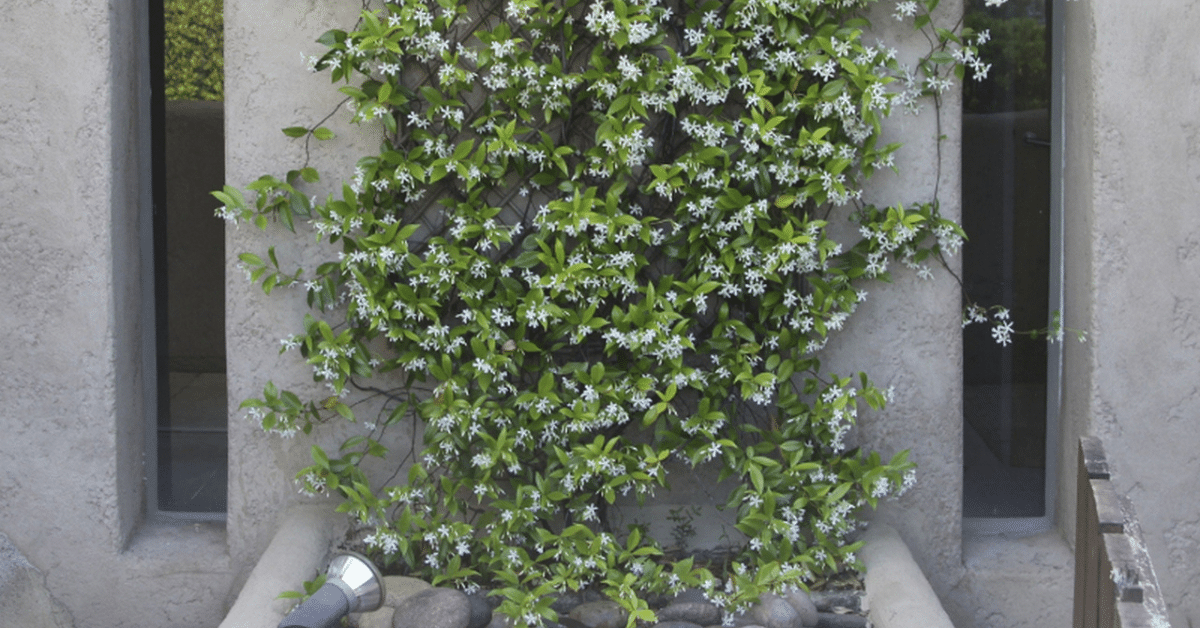
2. Up a Trellis or Fence
Jasmine’s natural climbing habit makes it ideal for training on vertical surfaces. A trellis placed against a wall or along a fence adds dimension to your garden while maximizing space. Perfect for small yards and balconies.
3. Drape Along a Balcony
If you live in an apartment or urban area, plant jasmine in containers and allow the vines to trail over balcony railings. You’ll get close-up enjoyment of its scent and flowers without needing a large yard.
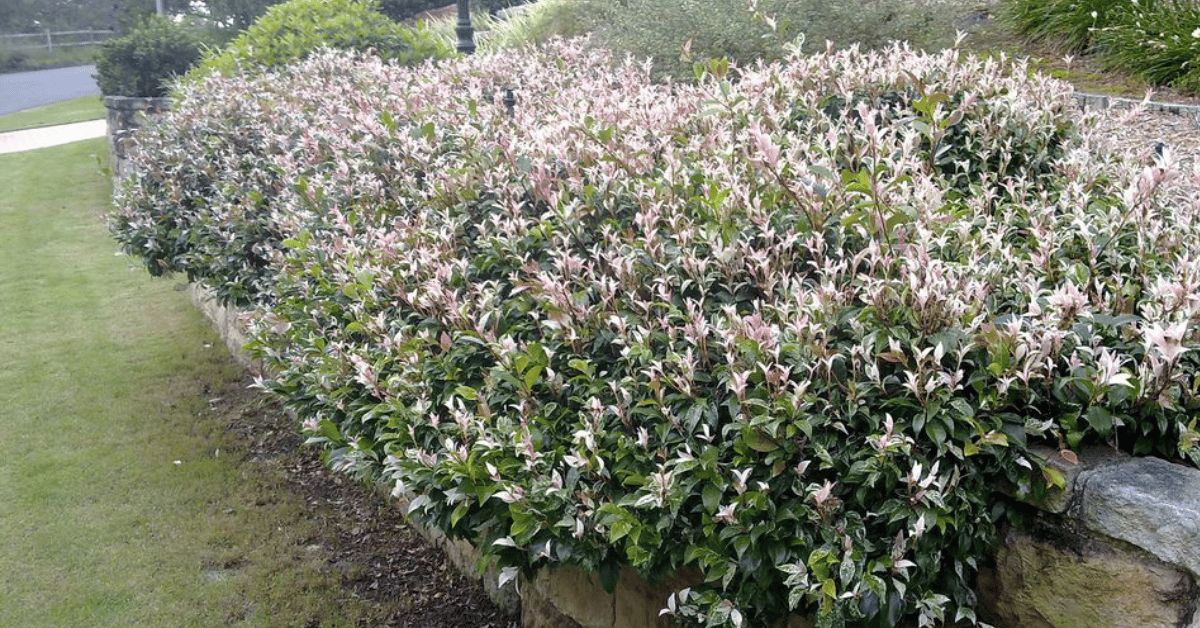
4. Use a Variegated Variety
Try Trachelospermum jasminoides ‘Tricolor’, a variegated star jasmine with leaves splashed in cream, green, and pink. This variety adds visual interest even when it’s not in bloom, making it a beautiful choice for year-round appeal.
5. Frame a Window or Doorway
Plant jasmine near entrances or windows to enjoy the fragrance both indoors and out. As the vines climb, they’ll naturally frame openings and create a welcoming, romantic look.
How to Care for Jasmine
Despite their luxurious appearance and powerful perfume, jasmine plants are generally undemanding and forgiving. Here’s how to keep them healthy and productive.
Light Requirements
Jasmine thrives in full sun but can tolerate partial shade. Ideally, give your plant at least 4–6 hours of direct sunlight daily to encourage strong blooming.
Soil and Watering
- Prefers well-drained, moist, and slightly acidic to neutral soil.
- Water regularly, especially during the growing season, but don’t allow the soil to become soggy.
- Reduce watering in winter when growth slows down.
Fertilizing
- Apply a balanced fertilizer in early spring and again in mid-autumn.
- Avoid overfeeding, as too much nitrogen can encourage leaf growth at the expense of flowers.
Temperature and Climate
- Most jasmines prefer mild to warm climates.
- Some, like Arabian and common jasmine, are frost-tender, while others like winter jasmine are more cold-tolerant.
- In colder regions, grow jasmine in pots and move them indoors during the winter months.
Pruning Jasmine
Pruning helps control the shape and encourage dense, healthy growth. The best time to prune is after flowering, though minor trimming can be done as needed.
- Remove dead or tangled vines.
- Cut back aggressively in autumn if the plant becomes too leggy or unruly.
- Regularly pinch growing tips to promote branching.
Proper pruning also increases air circulation, reducing the risk of fungal diseases.
Growing Jasmine in Pots
Jasmine does exceptionally well in containers, especially in climates with cold winters where you may need to move them indoors.
Tips for pot-grown jasmine:
- Use a high-quality potting mix with good drainage.
- Select a container that’s at least 12 inches wide.
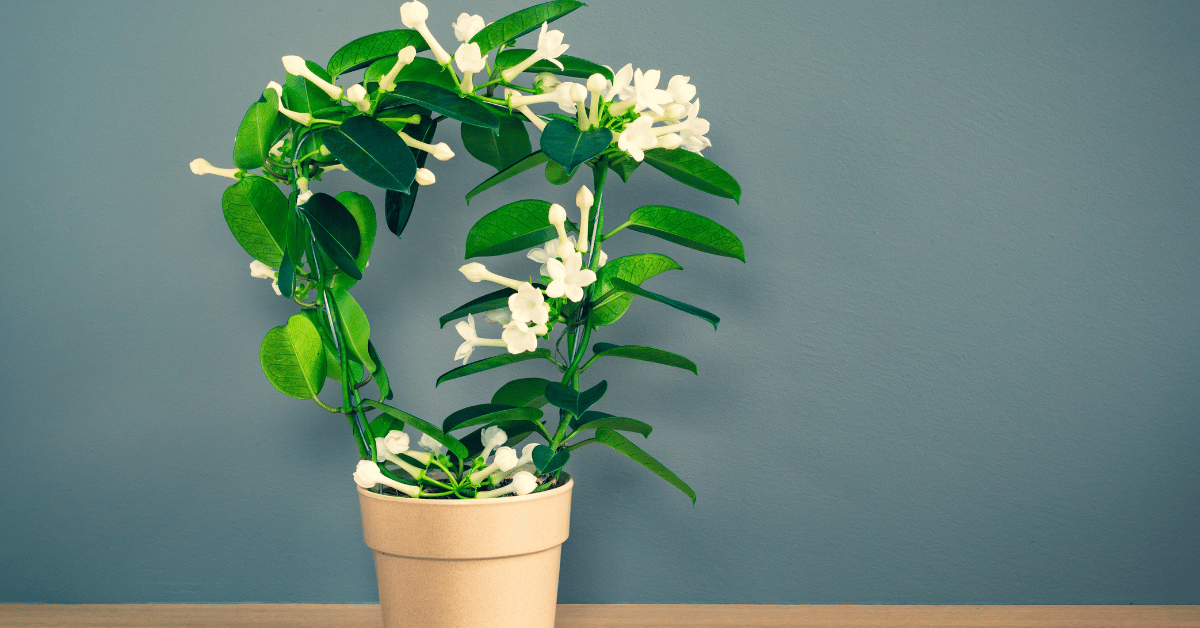
- Provide a support structure like a mini trellis or hoop.
- Place in a sunny spot – ideally near a wall that reflects heat and light.
- Water when the top inch of soil is dry.
Watch for root-bound conditions after a few seasons, and repot every 2–3 years to refresh the soil and space.
A Note of Caution: Controlling Growth
Some jasmine species, like pink jasmine (Jasminum polyanthum), can become invasive in mild, wet climates if left unmanaged.
Always keep jasmine pruned and check local planting guidelines before adding it to your landscape.
Jasmine is more than a plant – it’s a presence. Whether climbing over pergolas or framing your bedroom window, jasmine brings a graceful structure, shimmering green foliage, and an unforgettable fragrance to your space.
By selecting the right variety for your region, training it with purpose, and giving it just a little care, you can enjoy one of nature’s most captivating flowers year after year.