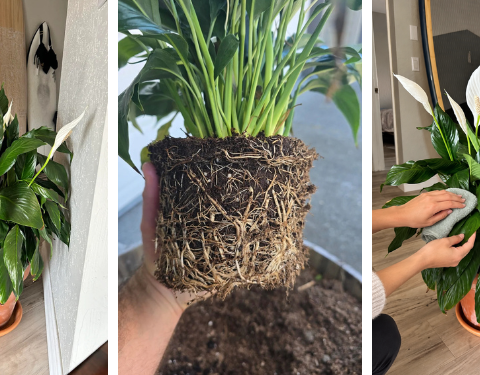
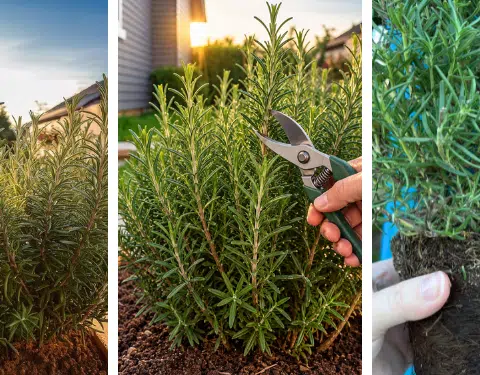
If you’ve ever admired the stunning blooms of a Christmas cactus (Schlumbergera bridgesii), you’ll be thrilled to know that it’s incredibly easy to propagate.
With just a little care and patience, you can multiply your Christmas cactus collection from a single plant—and have plenty of extras to give as holiday gifts or brighten up every corner of your home.
In this detailed guide, we’ll reveal the time-tested secrets used by experienced gardeners to successfully propagate Christmas cactus into dozens of healthy, blooming plants.
Why Propagate Christmas Cactus?
Before we dive into the “how,” here’s why propagating your Christmas cactus is a brilliant idea:
- It’s Cost-Effective: Buy one plant and multiply it into many—perfect for gifts or expanding your indoor jungle.
- It’s Easy and Beginner-Friendly: No green thumb required. This method is simple enough for even first-time plant parents.
- It’s a Beautiful, Blooming Plant: Christmas cacti are low-maintenance and reward you with vibrant flowers during the winter holidays.
The Secret: Stem Cuttings Propagation
The best way to turn one Christmas cactus into many is through stem cuttings. Here’s a detailed, step-by-step guide to doing it right.
Step 1: Choose the Right Time to Propagate
The ideal time to propagate Christmas cactus is in late spring to early summer—after the plant has finished blooming and is entering its active growing season. This gives the cuttings the best chance to root and grow before the next winter bloom.
Step 2: Select Healthy Segments
Look for healthy, green segments that are firm and plump. Each cutting should include 3–5 leaf segments (the flat, jointed stems that make up the cactus). Avoid segments that are yellowing, wrinkled, or damaged.
Pro Tip: Use clean, sterilized scissors or pruning shears to make a clean cut at a joint.
Step 3: Let the Cuttings Callus Over
After cutting, let the segments air-dry in a cool, dry place for 24–48 hours. This step allows the cut end to form a callus, which helps prevent rot once planted.
Step 4: Prepare the Potting Mix
Christmas cactus isn’t a true cactus and prefers slightly acidic, well-draining soil. Use a lightweight cactus or succulent mix, or make your own by mixing:
- 2 parts potting soil
- 1 part perlite or pumice
- 1 part coarse sand or orchid bark
Choose small pots or propagation trays with good drainage.
Step 5: Plant the Cuttings
Insert the cuttings about ½ to 1 inch deep into the potting mix. Firm the soil around them to keep the cuttings upright. You can plant several cuttings in one pot or space them individually.
Water lightly after planting—just enough to settle the soil.
Step 6: Create the Ideal Environment
For successful rooting, provide the cuttings with:
- Indirect, bright light (not direct sun)
- Humidity: Place a plastic bag loosely over the pot to maintain moisture, but ensure air circulation.
- Warmth: Temperatures between 65°F and 75°F work best.
Avoid overwatering—keep the soil slightly moist, not soggy.
Step 7: Watch for Root Development
Roots typically develop within 3–4 weeks, but it could take up to 6 weeks depending on conditions. You’ll know the cuttings have rooted when you see new growth at the top of the segment.
Once rooted, remove any plastic covering and continue to water sparingly.
Bonus: How to Encourage Blooms in Your New Plants
Once your propagated Christmas cactus plants are well established, here’s how to coax them into blooming:
- Temperature Drop: Expose them to cooler nighttime temperatures (50°F–55°F) in the fall.
- 12–14 Hours of Darkness: Mimic shorter days by placing the plant in a dark room or closet for at least 2 weeks.
- Hold Back on Watering: Let the soil dry out more between watering in the weeks leading up to bloom season.
- Avoid Moving Once Buds Appear: Sudden changes in light or temperature can cause bud drop.
How Many Plants Can You Get From One Christmas Cactus?
One mature Christmas cactus can easily yield 10–20 viable cuttings per propagation session. If each cutting is successfully rooted, you’ll quickly have dozens of new plants in just one growing season.
Want to scale this up even more? Continue taking cuttings from your newly propagated plants next season—and multiply exponentially.
Frequently Asked Questions
Q: Can I root Christmas cactus cuttings in water?
A: Yes, but soil propagation is generally more effective for long-term growth. If using water, ensure only the base of the segment is submerged, and transfer to soil as soon as roots form.
Q: How long does it take for Christmas cactus to grow big enough to bloom?
A: With proper care, a cutting can grow into a blooming plant within 1 to 2 years.
Q: Do I need to fertilize my new plants?
A: Not until they’re well established. After 2–3 months, use a diluted liquid fertilizer once a month during the growing season (spring through early fall).
Turning one Christmas cactus into dozens isn’t just possible—it’s easy, cost-effective, and incredibly rewarding.
Whether you want to create a lush indoor display, give them as gifts, or simply enjoy the therapeutic benefits of gardening, propagating your Christmas cactus is a smart move.
So grab your pruning shears, find a sunny windowsill, and start propagating. In no time, you’ll have a thriving collection of holiday bloomers that all started from just one plant.