Gardeners are always searching for safe, effective ways to nourish their plants and improve soil health without resorting to harsh chemicals.
Among the many natural remedies that have captured gardening enthusiasts’ attention, eggshell tea stands out as one of the most accessible, sustainable, and surprisingly effective methods for boosting plant health.
What was once considered kitchen waste has now become a powerful organic gardening tool. Eggshell tea, made by steeping crushed eggshells in water, is packed with minerals essential for strong plant growth and can be used to correct soil deficiencies, deter pests, and improve overall garden vitality.
It’s economical, easy to make, and helps reduce household waste – a win-win for gardeners and the environment.
Why Eggshells Are a Garden Superfood
Eggshells are composed primarily of calcium carbonate, the same compound found in limestone. In addition to calcium, eggshells contain trace amounts of magnesium, potassium, phosphorus, and other micronutrients.
These minerals play crucial roles in plant development.
- Calcium: Strengthens cell walls, helping prevent blossom end rot in tomatoes, peppers, and squash. Also improves root development and disease resistance.
- Magnesium: Essential for photosynthesis and chlorophyll production.
- Potassium: Aids overall plant vigor, flowering, and fruiting.
- Phosphorus: Supports strong root systems and flowering.
When you brew eggshell tea, these minerals dissolve into the water, creating a nutrient-rich liquid fertilizer that’s gentle yet effective.
Benefits of Eggshell Tea for Plants
Prevents Blossom End Rot
Blossom end rot is a common problem in tomatoes, peppers, and squash. It occurs due to calcium deficiency, causing black, sunken spots at the blossom end of the fruit.
By supplementing your plants with calcium from eggshell tea, you can reduce the risk of this disorder.
Enriches Soil with Calcium
Calcium deficiency can lead to stunted growth, weak stems, and poor fruit development. Eggshell tea delivers bioavailable calcium directly to the root zone, enriching the soil and strengthening plant structure.
Helps Balance Soil pH
Calcium carbonate can help neutralize acidic soils, making nutrients more available to plants. While eggshell tea is not as potent as agricultural lime, regular application can gently adjust soil pH over time.
Supports Seedlings and Transplants
Young plants benefit from the gentle mineral boost that eggshell tea provides. Watering seedlings with diluted eggshell tea can help prevent nutrient deficiencies during their critical growth phases.
Deters Certain Garden Pests
While not a complete pest solution, eggshell tea’s scent and mineral content can deter some soft-bodied pests like slugs and snails.
Crushed eggshells sprinkled around plants also create a physical barrier these pests dislike crossing.
Promotes Sustainability
Using eggshells for plant care helps reduce kitchen waste, making your gardening routine more sustainable. Instead of tossing shells in the trash, you transform them into a valuable gardening resource.
How to Make Eggshell Tea
Creating eggshell tea is simple and requires only two ingredients: eggshells and water.
Materials You’ll Need
- Clean, dry eggshells
- A saucepan or kettle
- Water
- A strainer
- A storage container or watering can
Preparation Steps
1. Save Your Eggshells
After cooking, rinse eggshells thoroughly to remove any residue. Let them dry completely to prevent mold.
2. Crush the Eggshells
For best results, crush eggshells into small pieces using a mortar and pestle or by placing them in a plastic bag and rolling them with a rolling pin. The finer the pieces, the faster the minerals will release into the water.
3. Boil Water
Bring about 1 gallon of water to a boil.
4. Steep the Eggshells
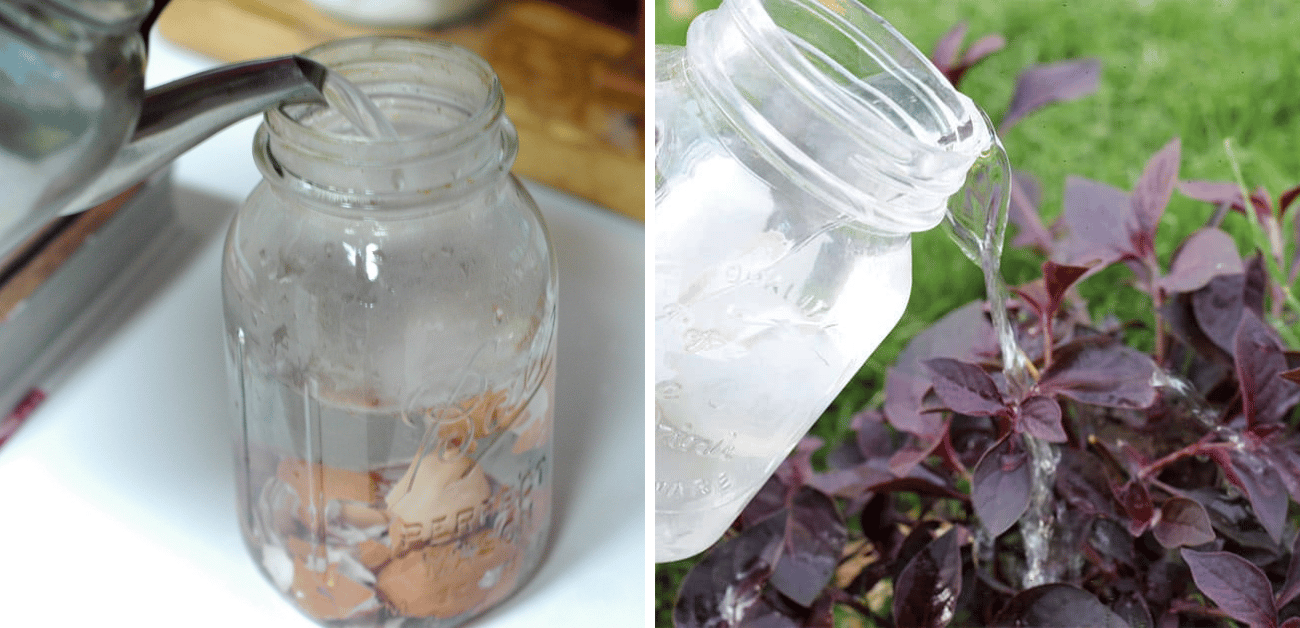
Add 10-12 crushed eggshells to the boiling water. Remove from heat and let the mixture steep for 12-24 hours. This allows the minerals to leach into the water.
5. Strain the Tea
Pour the mixture through a fine mesh strainer to remove eggshell pieces.
6. Store the Tea
Transfer the strained liquid to a container. Eggshell tea can be stored in the refrigerator for up to one week.
How to Use Eggshell Tea in the Garden
Watering Plants
Use eggshell tea as a soil drench for calcium-loving plants such as tomatoes, peppers, squash, cabbage, and broccoli.
Simply pour the tea directly at the base of plants, avoiding the leaves to prevent mold.
Apply every 2-3 weeks during the growing season.
Seedling Boost
Dilute eggshell tea with equal parts water and use it to gently water seedlings. The mild minerals support early root development without overwhelming young plants.
Foliar Spray
While eggshell tea is mainly used as a soil drench, it can also be applied as a foliar spray.
Strain the tea well to prevent clogging your spray bottle and lightly mist plant leaves to provide nutrients directly to foliage.
Always test on a small section first to check for leaf sensitivity.
Houseplants
Eggshell tea isn’t just for outdoor gardens. Use it to water houseplants once a month, especially those prone to calcium deficiency like African violets.
Compost Accelerator
Add leftover eggshell tea to your compost pile. The minerals help balance the compost’s pH and enhance nutrient content.
Plants That Benefit Most from Eggshell Tea
While most plants can benefit from the gentle calcium boost provided by eggshell tea, certain crops are particularly responsive:
- Tomatoes
- Peppers
- Eggplants
- Squash
- Cucumbers
- Cabbage family crops
- Roses
- Lilies
- Citrus trees
- Houseplants with nutrient needs like African violets and peace lilies
Common Questions About Eggshell Tea
Will Eggshell Tea Smell Bad?
Properly prepared eggshell tea should have little to no odor. Always use clean eggshells and avoid letting the mixture sit out for more than a few days. Refrigeration helps prevent unpleasant smells.
How Often Should I Use Eggshell Tea?
For outdoor plants, use eggshell tea every 2-3 weeks during the growing season. For houseplants, once a month is usually sufficient.
Can Eggshell Tea Burn Plants?
Eggshell tea is mild and unlikely to burn plants. However, avoid overusing it on plants that don’t require high calcium levels. When in doubt, dilute the tea with additional water.
Can I Use Eggshell Tea on Acid-Loving Plants?
Eggshell tea is alkaline, so use caution with acid-loving plants like blueberries, azaleas, and rhododendrons. Excess calcium can raise soil pH, making conditions less suitable for these species.
Eggshell Tea vs. Crushed Eggshells in Soil
Many gardeners simply crush eggshells and sprinkle them into garden beds. This method adds minerals slowly over time.
However, the nutrients in whole shells release gradually and may take months or even years to become available to plants.
Eggshell tea offers faster results because minerals dissolve directly into the water. It’s an excellent option when plants show signs of calcium deficiency and need a quicker boost.
Troubleshooting Common Plant Problems with Eggshell Tea
Blossom End Rot in Tomatoes
One of the biggest frustrations for tomato growers, blossom end rot occurs when plants can’t absorb enough calcium.
Eggshell tea offers a gentle solution:
- Apply eggshell tea to the soil around affected plants.
- Combine with consistent watering to ensure even calcium uptake.
Weak or Spindly Seedlings
Eggshell tea provides a mild mineral supplement to young plants:
- Water seedlings lightly with diluted eggshell tea.
- Avoid overwatering to prevent damping-off disease.
Yellowing Leaves
While yellow leaves can result from various nutrient deficiencies, calcium deficiency can contribute to leaf yellowing and poor plant structure. Eggshell tea may help if calcium is the issue.
Environmental Benefits of Eggshell Tea
Beyond plant health, using eggshell tea has significant environmental advantages:
- Reduces kitchen waste
- Minimizes dependence on chemical fertilizers
- Promotes sustainable gardening practices
- Supports healthy soil biology
Every time you turn waste into garden nutrients, you help close the loop in nature’s recycling system.
Safety Considerations
Eggshell tea is safe for most gardens when used in moderation.
However:
- Always rinse eggshells thoroughly to remove egg residue and reduce salmonella risk.
- Store prepared tea in the refrigerator if not using immediately.
- Avoid over-applying on plants that prefer low calcium levels.
Eggshell tea is a remarkable yet often overlooked tool in the gardener’s toolkit.
Simple to make and packed with essential minerals, it provides plants with a gentle but effective boost that can correct deficiencies, improve soil health, and promote robust growth.