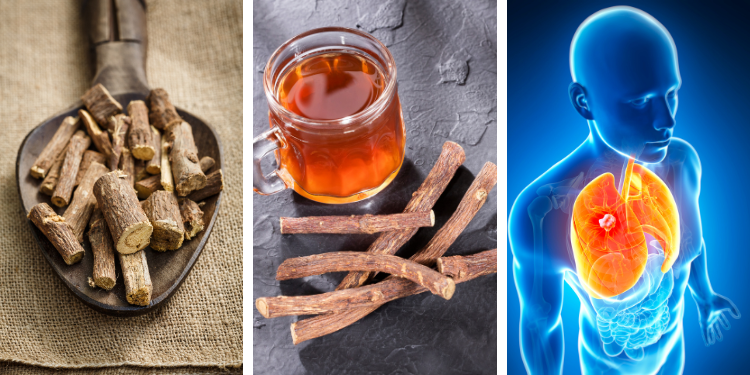
Licorice root has been used in traditional herbal medicine for thousands of years. Derived from the root of the Glycyrrhiza glabra plant, licorice has a naturally sweet flavor and has long been enjoyed as a soothing tea in many cultures.
Today, researchers continue to study licorice root for its unique plant compounds and their potential effects on digestion, respiratory health, inflammation, and immune function.
One of licorice root’s main active compounds is glycyrrhizin, which gives the root its characteristic sweetness and many of its biological properties.
While licorice tea may offer several potential health benefits, it is also one of the herbal teas that requires moderation.
Consuming large amounts regularly can lead to unwanted side effects, particularly for people with high blood pressure or certain medical conditions.
Here are some of the ways drinking licorice tea may affect your body and why healthcare professionals recommend enjoying it carefully.
What Is Licorice Tea?
Licorice tea is made by steeping dried licorice root in hot water. Unlike the black licorice candy found in stores, authentic licorice tea comes directly from the root of the licorice plant and contains numerous naturally occurring compounds, including:
- Glycyrrhizin
- Flavonoids
- Saponins
- Polyphenols
- Antioxidants
These compounds are responsible for both the tea’s potential benefits and its possible risks.
The tea has a naturally sweet flavor without needing added sugar, making it a popular caffeine-free beverage.
1. It May Help Soothe the Digestive System
One of the oldest traditional uses of licorice root involves digestive health.
Many people drink licorice tea after meals because it may help soothe occasional stomach discomfort. Research suggests that certain compounds in licorice may help support the stomach’s protective mucus lining, which acts as a barrier against stomach acid.
Some people find licorice tea comforting when experiencing occasional:
- Indigestion
- Mild bloating
- Heartburn
- Stomach irritation
Licorice has also been studied for its potential role in supporting healthy digestion by promoting mucus production within the digestive tract.
However, persistent digestive symptoms should always be evaluated by a healthcare professional.
2. It May Help Soothe a Sore Throat
Licorice root has long been included in herbal throat teas.
Its naturally soothing texture coats the throat and may temporarily ease irritation caused by dryness or frequent talking.
Many herbal cough lozenges and throat formulas include licorice because of its traditional use for throat comfort.
Warm licorice tea is often enjoyed during cold weather or when recovering from seasonal respiratory illnesses.
3. It May Support Respiratory Health
Traditional herbal medicine has used licorice root for centuries to support healthy breathing.
Researchers believe some of the compounds found in licorice may help thin mucus and support the body’s natural ability to clear the airways.
This is one reason licorice root frequently appears in herbal formulas designed to support respiratory comfort.
Although more research is needed, its long history of traditional use continues to make it one of the world’s most popular respiratory herbs.
4. It Provides Antioxidants
Like many medicinal herbs, licorice root contains naturally occurring antioxidants.
Antioxidants help protect cells from oxidative stress caused by unstable molecules known as free radicals.
Over time, excessive oxidative stress has been associated with aging and various chronic health conditions.
Including antioxidant-rich foods and beverages as part of a balanced diet may support overall wellness.
Licorice tea contributes small amounts of these beneficial plant compounds.
5. It May Help Support a Healthy Inflammatory Response
Scientists continue studying several compounds in licorice root for their potential role in supporting the body’s natural inflammatory response.
Inflammation is a normal part of the immune system’s defense mechanisms, but maintaining a healthy inflammatory balance is important for long-term wellness.
Some laboratory and animal studies suggest compounds found in licorice may influence pathways involved in inflammation, although more human research is needed.
Licorice tea should be viewed as one small part of an overall healthy lifestyle rather than a treatment.
6. It May Support Oral Health
Licorice root has attracted interest for its potential antimicrobial properties.
Some studies suggest certain compounds may help reduce the growth of bacteria involved in oral health concerns.
For this reason, licorice extracts are sometimes included in:
- Herbal toothpastes
- Mouthwashes
- Chewing gums
Drinking licorice tea is not a substitute for brushing and flossing, but it may complement good oral hygiene habits.
7. It May Naturally Taste Sweet Without Sugar
One of licorice root’s unique characteristics is its remarkable sweetness.
Glycyrrhizin is estimated to be significantly sweeter than table sugar.
Because of this, many people enjoy licorice tea without adding:
- Sugar
- Honey
- Artificial sweeteners
This makes it an appealing option for individuals looking to reduce added sugar in their diets while still enjoying a naturally sweet beverage.
8. It May Help Promote Relaxation
Many people enjoy drinking warm herbal tea as part of their evening routine.
While licorice itself is not a sedative, the act of sipping a warm, caffeine-free beverage may help create a calming ritual that encourages relaxation.
Licorice is often blended with herbs such as:
- Chamomile
- Fennel
- Peppermint
- Lemon balm
to create soothing herbal tea blends.
Potential Risks You Should Know About
Despite its long history of traditional use, licorice root is not appropriate for everyone.
The primary concern is glycyrrhizin.
Large amounts consumed regularly may lead to:
- Elevated blood pressure
- Low potassium levels
- Fluid retention
- Headaches
- Irregular heartbeat in severe cases
Because of these potential effects, many doctors recommend limiting regular consumption of traditional licorice root tea.
Who Should Avoid Licorice Tea?
Healthcare professionals generally recommend that the following individuals avoid or limit traditional licorice tea unless advised otherwise by their doctor:
- People with high blood pressure
- Individuals with heart disease
- People with kidney disease
- Pregnant women
- Those taking diuretics
- People taking blood pressure medications
- Individuals taking corticosteroids
Licorice can interact with several medications, making professional guidance especially important.
What About Deglycyrrhizinated Licorice (DGL)?
Some supplements contain deglycyrrhizinated licorice (DGL).
In DGL products, most of the glycyrrhizin has been removed.
This allows people to obtain some of licorice’s digestive-supporting compounds while reducing the risk of blood pressure-related side effects.
However, DGL is typically sold as chewable tablets rather than tea.
How to Prepare Licorice Tea
Making licorice tea at home is simple.
Add approximately:
- 1 teaspoon dried licorice root
to one cup of boiling water.
Cover and allow the tea to steep for:
- 5 to 10 minutes
Strain before drinking.
Many people enjoy blending licorice root with ginger, cinnamon, fennel, or peppermint for additional flavor.
How Much Is Too Much?
Moderation is key.
Most experts recommend avoiding large amounts of traditional licorice root over extended periods.
Drinking occasional cups is unlikely to cause problems for most healthy adults, but daily or excessive consumption may increase the risk of side effects because glycyrrhizin can accumulate in the body.
If you enjoy licorice tea regularly, discuss it with your healthcare provider, particularly if you have underlying medical conditions.
Licorice tea has been valued for centuries for its naturally sweet flavor and its traditional role in supporting digestive comfort, respiratory wellness, throat health, and overall wellbeing.
Modern research continues to explore many of the plant compounds found in licorice root, particularly glycyrrhizin and its potential biological effects.