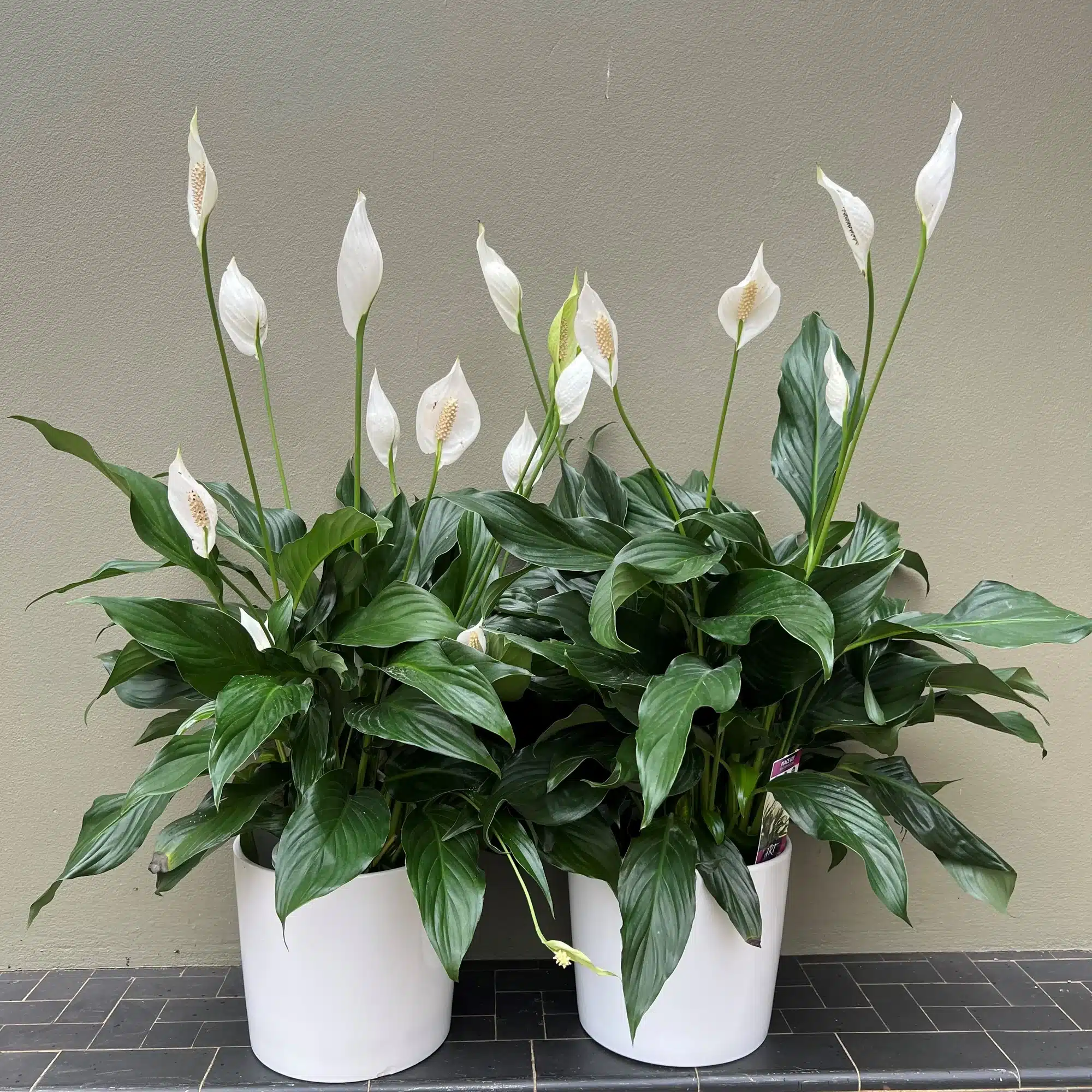
The peace lily (Spathiphyllum) is one of the most cherished houseplants around the world.
Its broad, deep-green leaves add lushness to any interior, and its pure white flowers – actually specialized leaves known as spathes – rise elegantly above the foliage like delicate flags of peace.
The plant is not only beautiful but also symbolic: it is associated with tranquility, rebirth, and healing.
Because of this, peace lilies are often given as gifts during times of sympathy or celebration, appearing at weddings, memorials, and housewarmings.
Despite their reputation as easy-to-grow houseplants, many owners find one problem frustrating: while the leaves look healthy, the plant simply refuses to bloom.
Weeks turn into months, and the anticipated flowers never appear. Some gardeners even assume that their peace lily is defective or that it blooms only once in its lifetime.
The truth is more encouraging: with the right care and environment, peace lilies can bloom not only in spring but also in fall, offering beauty when most indoor plants are slowing down.
Getting to Know the Peace Lily
A Plant with Tropical Roots
Peace lilies are not true lilies but members of the Araceae family, related to philodendrons and anthuriums. They are native to the rainforests of Central and South America and parts of Southeast Asia.
In the wild, peace lilies grow on the forest floor, where they receive filtered sunlight through dense canopies, steady moisture from humid air, and protection from extreme temperatures.
This native environment explains much about their care indoors. Unlike sun-loving houseplants such as succulents, peace lilies prefer bright but indirect light.
They also thrive in consistent warmth and humidity. Understanding this tropical origin is the key to mimicking their natural conditions inside your home.
Anatomy of the Peace Lily
The so-called “flower” of the peace lily is not a traditional bloom but a spath – a white, leaf-like bract that surrounds a central spike called a spadix.
The spadix contains tiny true flowers, but it’s the elegant spathes that give peace lilies their signature appearance.
Typically, a healthy peace lily will produce spathes once or twice a year, most often in spring and sometimes again in fall if conditions are right. Each bloom can last for weeks before fading to green and eventually withering.
Why Peace Lily Blooms Matter
While the plant is attractive enough with just its glossy green leaves, blooms elevate it to a new level of beauty.
For many plant lovers, flowers signal that their care routine is working perfectly.
Blooms also carry cultural meaning – peace, purity, hope – and seeing them emerge in your home can feel like a reward for patience and nurturing.
Why Peace Lilies Stop Blooming
Before you can solve the problem of a non-blooming peace lily, it’s important to understand the most common reasons behind it.
1. Insufficient Light
Peace lilies tolerate low-light conditions, which is why they are often marketed as “shade-tolerant houseplants.”
While they can survive in darker corners, they won’t bloom there. To produce flowers, peace lilies need bright, indirect light – the kind of light they would receive filtered through tree canopies in the rainforest.
Signs of low light:
- Lush, dark green leaves but no flowers.
- Slow or minimal new growth.
- Long petioles (leaf stems) stretching toward the light source.
2. Improper Watering
Peace lilies are sensitive to both overwatering and underwatering. Waterlogged soil suffocates roots, leading to rot, while drought causes stress that prevents flowering.
Overwatering signs: Yellowing leaves, mushy roots, foul odor from the soil.
Underwatering signs: Dramatic drooping (though peace lilies recover quickly after watering).
3. Nutrient Deficiency
Too much nitrogen in fertilizer produces leafy growth but suppresses flowers. Peace lilies require phosphorus and potassium to trigger blooming.
If you’ve been using only a standard all-purpose fertilizer, your plant may be missing the nutrients it needs for flowers.
4. Temperature Problems
Peace lilies thrive in consistent warmth (65–85°F or 18–29°C). Exposure to drafts, sudden cold snaps, or overly hot, dry air from heaters can disrupt their blooming cycle.
5. Being Too Root-Bound
Peace lilies don’t mind being slightly root-bound, but if the roots are severely crowded, the plant devotes energy to survival rather than reproduction (flowers).
6. Skipping the Rest Period
Peace lilies need time to rest after a blooming cycle. Without a seasonal “pause,” the plant can’t gather enough energy to produce new spathes.
Creating Bloom-Friendly Conditions Indoors
Now that we know why peace lilies may not bloom, let’s look at how to give them exactly what they need.
Light: The Most Important Factor
Ideal Location: Place your peace lily near a north- or east-facing window where it receives bright but filtered light.
Avoid Direct Sun: South- and west-facing windows can scorch leaves unless filtered through curtains or blinds.
Artificial Lighting: In fall and winter, when natural daylight shortens, peace lilies benefit from full-spectrum grow lights. Place the light 12–18 inches above the plant for 10–12 hours daily.
Rule of thumb: If you can comfortably read a book in the location during the day without turning on a lamp, it’s bright enough for your peace lily.
Temperature and Humidity: Mimicking the Tropics
Temperature Range: 65–85°F (18–29°C). Try to avoid dips below 60°F.
Humidity: Peace lilies love 50–70% humidity. Dry indoor air from heaters can cause brown leaf tips.
Boosting Humidity:
- Place the pot on a pebble tray with water.
- Mist leaves lightly (avoid flowers).
- Use a humidifier for best results.
Soil and Potting Mix
Peace lilies need soil that balances moisture retention with aeration.
Best Mix:
- 2 parts peat moss or coco coir
- 1 part perlite
- 1 part orchid bark or coarse sand
This chunky mix prevents soggy soil while keeping roots moist.
Watering Peace Lilies Correctly
Peace lilies are famous for their dramatic “droop” when thirsty. But letting them collapse often stresses the plant.
Instead:
- Water when the top inch of soil feels dry.
- Always allow excess water to drain.
- Use filtered or dechlorinated water – they’re sensitive to fluoride and chlorine.
Pro Tip: If you notice brown leaf tips, switch to distilled water or rainwater.
Fertilizer for Flowers
- Use a fertilizer with a higher phosphorus ratio (7-9-5 works well).
- Apply at half strength once a month during active growth.
- Stop fertilizing in late fall and winter when growth slows.
Seasonal Peace Lily Care Calendar
Caring for peace lilies means adjusting your routine with the seasons. Here’s how to keep them thriving year-round:
Spring (Growth Surge)
- Repot if root-bound.
- Resume fertilizing.
- Increase watering as days warm.
- Expect flowers in late spring.
Summer (Peak Bloom)
- Keep humidity high.
- Fertilize monthly.
- Remove fading blooms promptly.
- Check for pests like aphids and spider mites.
Fall (Triggering a Second Bloom)
- Move closer to windows or supplement with grow lights.
- Fertilize lightly for continued bloom.
- Keep temperature steady (avoid cold drafts).
- Prune old leaves and stalks.
Winter (Rest Phase)
- Water sparingly.
- Do not fertilize.
- Maintain bright, indirect light.
- Allow the plant to conserve energy for spring blooms.
Bloom-Boosting Techniques
Pruning and Grooming
Cut flower stalks at the base once blooms fade. Remove yellowing leaves. Wipe dust from leaves with a damp cloth for efficient photosynthesis.
Repotting for Vigorous Growth
Check roots yearly. If tightly packed, move to a pot 1–2 inches larger with fresh soil.
The Rest Cycle
Give peace lilies time to recover after blooming by reducing water and halting fertilizer for 1–2 months.
Troubleshooting Blooming Problems
- No Flowers, Just Leaves: Not enough light or too much nitrogen.
- Green Flowers Instead of White: Natural aging or low light.
- Brown Leaf Tips: Hard water, low humidity, or over-fertilizing.
- Drooping Plant: Underwatering or root rot.
- Yellow Leaves: Overwatering, poor drainage, or nutrient imbalance.
- Pest Infestations: Treat spider mites, scale, or aphids with neem oil or insecticidal soap.
Extra Care Tips and Benefits
- Air Purification: NASA’s Clean Air Study ranked peace lilies as one of the top plants for removing toxins like benzene, formaldehyde, and carbon monoxide.
- Companion Plants: Group with calatheas, philodendrons, and ferns for shared humidity needs.
- Decor Styling: Place in decorative ceramic pots, baskets, or use as a centerpiece for living rooms.
Symbolism and Cultural Significance
Peace lilies carry deep meaning:
- Purity & Renewal – White spathes represent cleansing and rebirth.
- Sympathy – Commonly given in times of loss.
- Good Fortune – Feng Shui associates them with balance and harmony.
Frequently Asked Questions
How often do peace lilies bloom?
Typically once in spring, sometimes again in fall.
Can peace lilies bloom year-round?
With optimal conditions, yes, though they need rest cycles.
Are they safe for pets?
No – peace lilies are toxic to cats and dogs if ingested.
Do peace lilies need special soil?
Yes – airy, well-draining soil enriched with organic matter.
Peace lilies aren’t difficult to bloom once you understand their needs. They require bright, indirect light, consistent watering, humidity, and the right nutrients.
By mimicking their tropical origins and respecting their natural growth cycles, you can enjoy elegant white blooms not just in spring but also in fall.