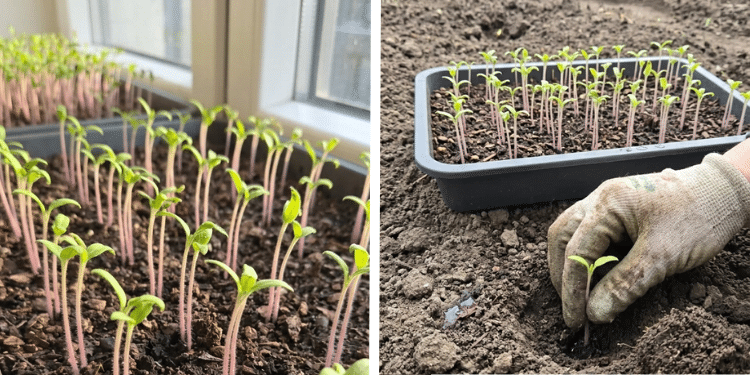
If there’s one month that quietly determines the success of your entire garden, it’s April.
This is the moment when plants wake up, roots become active, and growth begins to accelerate. What you do now doesn’t just affect your plants for a few weeks – it shapes their speed, strength, and productivity for the entire season.
Many gardeners focus on planting, but the real secret to faster growth isn’t just what you plant – it’s how you prepare and support your plants in early spring.
Why April Is the Most Important Month for Growth
In April, soil temperatures begin to rise, daylight hours increase, and plants shift from dormancy into active growth.
During this time:
- Roots expand rapidly
- Nutrient uptake increases
- Leaves begin forming quickly
This stage is like a “launch phase.” If conditions are ideal, plants establish strong foundations and grow vigorously. If conditions are poor, they struggle to catch up later.
Fast growth is not about forcing plants – it’s about creating the right environment early on.
1. Reset Your Soil for Maximum Growth
Everything starts with the soil.
After winter, soil is often compacted, low in nutrients, and lacking oxygen. If you plant directly into it without preparation, roots will struggle from the beginning.
Start by loosening the top layer of soil. This improves airflow and allows roots to move freely. When soil is compacted, roots stay shallow and growth slows down.
Next, add organic matter such as compost. This step is critical because it:
- Improves soil structure
- Increases nutrient availability
- Supports beneficial microorganisms
Healthy soil acts like a living system. When it’s balanced, plants grow faster without needing excessive fertilizers.
This is one of the most important steps you can take in April – and one of the most overlooked.
2. Feed Plants at the Right Time
Plants need nutrients to grow, but timing matters just as much as the nutrients themselves.
In April, plants are entering their most active growth phase. Feeding them now provides the energy they need to:
- Develop strong roots
- Produce new leaves
- Build healthy structure
Using a balanced fertilizer or organic feed gives plants a steady supply of nutrients.
However, more is not always better. Overfeeding, especially with nitrogen, can lead to rapid but weak growth. The goal is to support steady, strong development rather than forcing excessive leaf production.
When plants receive the right nutrients at the right time, their growth becomes more efficient and sustainable.
3. Water Deeply, Not Frequently
Watering is one of the biggest factors affecting growth speed.
In April, many gardeners either overwater or underwater, both of which can slow down plant development.
The key is to water deeply but less often. Deep watering encourages roots to grow downward, making plants more stable and better able to access moisture.
Shallow watering, on the other hand, keeps roots near the surface. This leads to weaker plants that struggle during dry periods.
As temperatures begin to rise, maintaining consistent moisture becomes essential. Soil should feel slightly moist—not dry and not saturated.
When roots are properly hydrated, plants can grow faster and more efficiently.
4. Use Mulch to Lock in Growth Conditions
Mulching is one of the simplest ways to improve plant growth, yet many gardeners skip it.
Applying a layer of mulch in April helps:
- Retain soil moisture
- Regulate soil temperature
- Suppress weeds
- Improve soil quality over time
Mulch creates a stable environment around plant roots. Instead of experiencing constant fluctuations in moisture and temperature, plants grow in more consistent conditions.
This stability allows plants to focus energy on growth rather than survival.
Organic mulches like straw, leaves, or compost are especially effective because they break down over time and enrich the soil.
5. Give Plants Enough Space to Grow
It’s tempting to plant densely, especially when you want a full garden quickly. But overcrowding is one of the fastest ways to slow down growth.
When plants are too close together:
- They compete for nutrients
- Airflow is reduced
- Disease risk increases
Spacing plants properly allows each one to develop fully. Roots can expand without competition, and leaves receive enough light.
This results in stronger plants that grow faster and produce better yields.
In April, it’s easier to correct spacing early than to fix problems later.
6. Improve Sunlight Exposure
Light is one of the most powerful drivers of plant growth.
As spring progresses, sunlight becomes stronger and more consistent. Making sure your plants receive enough light is essential for fast development.
Most plants require at least 6–8 hours of sunlight per day.
If plants are placed in shaded areas, they will:
- Grow more slowly
- Stretch toward light
- Produce weaker stems
Positioning plants in optimal light conditions allows them to photosynthesize efficiently, which directly impacts growth speed.
7. Control Weeds Before They Take Over
Weeds are more than just an inconvenience – they compete directly with your plants.
In April, weeds begin growing rapidly alongside your crops. If left unchecked, they:
- Steal nutrients
- Reduce available water
- Block sunlight
Removing weeds early prevents them from becoming a bigger problem later.
When plants don’t have to compete, they can use all available resources for growth.
This simple step can significantly improve plant performance over time.
8. Prune and Trim for Better Growth
Pruning is not just for shaping plants – it also improves growth.
Removing damaged, weak, or overcrowded growth allows plants to:
- Redirect energy
- Produce stronger new growth
- Maintain better structure
In April, light pruning can help plants recover from winter and prepare for the growing season.
This is especially important for:
- Perennials
- Shrubs
- Fruit-bearing plants
Pruning stimulates new growth, which contributes to faster development.
9. Warm Up the Soil for Faster Root Activity
Soil temperature plays a major role in how quickly plants grow.
Cold soil slows root activity, even if the air feels warm.
In April, you can help warm the soil by:
- Using mulch
- Covering beds with fabric temporarily
- Choosing sunny planting locations
Warmer soil encourages roots to absorb nutrients more efficiently, leading to faster growth.
10. Build a Consistent Routine
One of the most overlooked factors in gardening success is consistency.
Plants respond best to stable conditions. Sudden changes in watering, feeding, or environment can slow growth.
By creating a simple routine in April, you provide:
- Predictable moisture
- Regular nutrients
- Balanced conditions
This consistency allows plants to grow steadily without stress.
What Happens When You Get April Right
When you apply these steps, the results become visible quickly.
Plants establish faster. Leaves grow larger and healthier. Stems become stronger, and overall growth becomes more vigorous.
As the season continues, these early advantages compound.
You’ll notice:
- Faster development
- Better resistance to stress
- Higher yields
The difference between average and exceptional growth often comes down to what was done in early spring.
Fast plant growth doesn’t come from shortcuts – it comes from preparation. April is your opportunity to create the conditions that allow plants to thrive naturally.